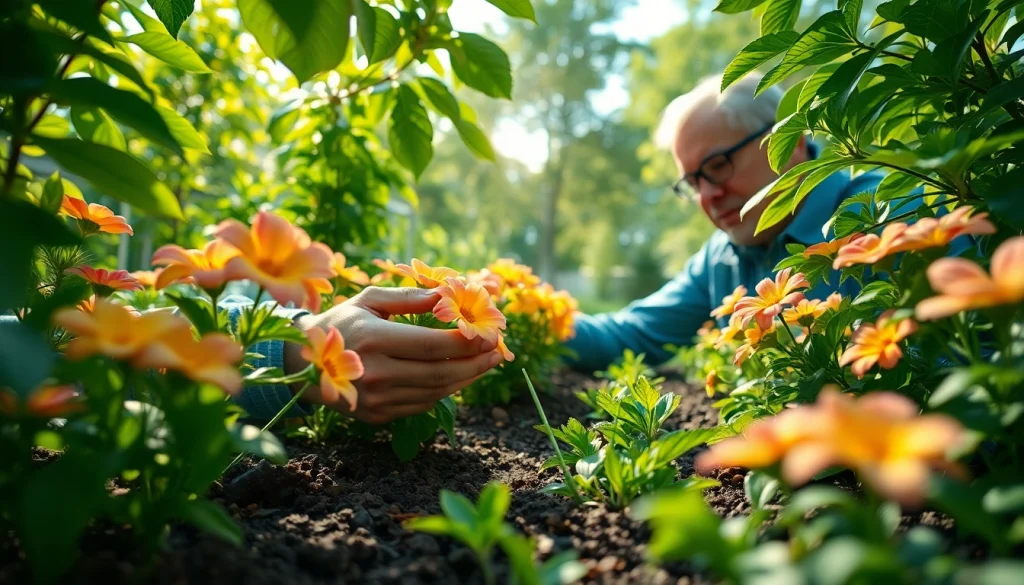
Introduction to Gardening Basics
Gardening is an enriching activity that not only beautifies the surroundings but also provides numerous benefits such as fresh produce, improved mental health, and increased outdoor enjoyment. It embraces the harmony of nature and human creativity, forming an essential practice across cultures worldwide. For anyone looking to start or enhance their gardening skills, understanding the foundational elements of Gardening is crucial.
In this comprehensive guide, we will delve into critical aspects of gardening, from soil types to plant care and community involvement. Let’s start by exploring the core components that make up a thriving garden. For a deeper understanding, you can refer to various resources on the topic of Gardening.
Understanding Soil Types and Their Importance
The foundation of any garden begins with soil. Not all soil is created equal; different types have varying compositions that affect plant growth. The primary soil types include:
- Sandy Soil: Quick to drain but struggles to retain moisture; ideal for drought-resistant plants.
- Clay Soil: Heavy and dense, often holds water, leading to poor drainage; works best with amendments.
- Silt Soil: A middle ground that retains moisture while draining well; supports a range of plants.
- Loamy Soil: A balanced mix of sand, silt, and clay; often considered the ideal soil type for gardening.
A thorough understanding of soil types helps in selecting appropriate plants and implementing essential gardening techniques. Testing soil pH levels and nutrient content can further guide amendments and enhancement practices.
The Role of Sunlight in Plant Growth
Sunlight is a critical element that fuels the growth of plants, playing a vital role in photosynthesis—the process by which plants convert light energy into chemical energy. Each plant species has specific sunlight requirements, which can generally be categorized into:
- Full Sun: Requires at least 6-8 hours of direct sunlight daily; examples include tomatoes and peppers.
- Partial Shade: Thrives with 3-6 hours of sunlight; ideal for plants like lettuce and spinach.
- Full Shade: Grows best in less than 3 hours of direct sun; suitable plants may include ferns and hostas.
When designing a garden layout, consider the sunlight exposure of each area to optimize plant selection and placement. Observing daily sunlight patterns will help shift plants to more suitable locations if necessary.
Watering Essentials for Healthy Plants
Water is another critical factor in plant health. Understanding the watering needs of your garden will significantly impact growth and yield. Essential tips for effective watering include:
- Consistency: Regular watering encourages deep rooting. Inconsistent water levels can lead to stress.
- Time of Day: Watering early in the morning or late in the afternoon reduces evaporation loss and allows plants to absorb moisture before heat stress occurs.
- Soil Type Considerations: Sandy soil drains quickly and requires more frequent watering compared to clay soil, which retains moisture.
Utilizing methods such as drip irrigation can conserve water while ensuring the plants receive sufficient moisture directly to the roots.
Essential Gardening Tools You Need
Hand Tools for Precision Gardening
Hand tools are indispensable for gardening, providing the precision needed for planting, weeding, and maintaining your garden’s aesthetic. Key hand tools include:
- Trowel: Great for digging, planting, and transferring soil.
- Pruners: Essential for trimming and pruning plants; they promote healthy growth by removing dead or overgrown branches.
- Hand Fork: Excellent for aerating the soil and breaking up compacted ground.
Investing in high-quality hand tools can make gardening tasks more efficient and enjoyable, enhancing your overall gardening experience.
Power Tools for Efficient Maintenance
While hand tools are essential for detailed work, power tools can simplify extensive tasks, saving both time and effort. Essential power tools include:
- Tiller: Perfect for preparing the soil before planting by breaking up clumps and mixing in organic matter.
- Leaf Blower: Effectively manages garden debris, keeping pathways clear and tidy.
- Hedge Trimmer: Useful for maintaining hedges and shrubs, providing a neat finish.
When using power tools, always prioritize safety and proper technique to avoid accidents.
Decorative Tools to Enhance Aesthetic Appeal
In addition to functional tools, incorporating decorative tools can elevate the visual appeal of your garden. Consider these items:
- Garden Stakes: Support plants while adding character; available in various designs.
- Decorative Planters: Elevate the presentation of your plants, ranging from unique shapes to vibrant colors.
- Lighting: Solar-powered garden lights can enhance night-time beauty and ambiance.
Your choice of decorative tools can reflect personal style while creating an inviting outdoor space.
Choosing the Right Plants for Your Garden
Seasonal Planting: What to Grow When
Understanding seasonal planting is vital for garden success. Each plant has a specific growth cycle and hardiness zone that dictates when it should be planted. Consider the following:
- Spring: A great time for cool-season crops like peas and lettuce to be planted; as temperatures increase, switch to warm-season crops like beans and tomatoes.
- Summer: Continue planting fast-growing crops; consider succession planting to maximize yields.
- Fall: Ideal for harvesting and planting cool-season crops again for an extended growing season.
- Winter: Use this time for planning and preparing for the upcoming growing season.
Maintaining a planting calendar can help ensure you’re aligned with the growth cycles of your plants.
Native Plants: Benefits for Biodiversity
Incorporating native plants into your garden contributes to local biodiversity and supports wildlife. Native plants are adapted to local conditions, requiring less resources and offering various benefits:
- Low Maintenance: Once established, native plants often require less water and care.
- Support Local Wildlife: They provide essential habitat and food for local pollinators and bird species.
- Resilience: Native plants typically withstand local pests and diseases better than non-native varieties.
Choosing native plants can enrich your garden’s sustainability and promote ecological balance.
Creating an Edible Garden: Fruits and Vegetables
An edible garden can provide freshness and sustainability, allowing you to cultivate your produce. Start by selecting fruits and vegetables that suit your climate and soil types:
- Herbs: Basil, mint, and oregano can be grown in small spaces or containers.
- Vegetables: Tomatoes, peppers, and carrots are beginner-friendly options that offer high yields.
- Fruits: Strawberries, blueberries, and dwarf apple trees are suitable for many home gardens.
Plan your edible garden strategically to ensure a continuous supply of fresh produce. Utilizing vertical gardening techniques can optimize space and increase yields.
Best Practices for Maintaining Your Garden
Fertilization Techniques for Optimal Growth
To achieve healthy, thriving plants, understanding fertilization is essential. There are various methods to consider:
- Organic Fertilizers: Using compost, manure, or aged organic materials improves soil health and sustains nutrients.
- Slow-Release Fertilizers: These gradually supply nutrients over time, ensuring consistent plant nutrition.
- Testing Soil: Regular soil testing helps determine nutrient deficiencies, guiding appropriate amendments.
Sustainable practices, such as crop rotation, can also enhance soil fertility and plant health over time.
Pest Management Strategies Without Chemicals
Managing pests organically can maintain garden health while respecting nature’s balance. Employ the following strategies:
- Companion Planting: Planting certain combinations together can deter pests naturally; for example, marigolds repel nematodes.
- Insect Barriers: Netting or row covers can protect vulnerable plants from harmful insects.
- Natural Predators: Attracting beneficial insects like ladybugs can help control pest populations.
Regular monitoring of your garden can help detect early pest signs, allowing for timely interventions.
Effective Pruning for Healthier Plants
Pruning is an essential part of maintaining plant health, improving airflow and encouraging better growth. Consider the following aspects of pruning:
- Timing: Different plants have different pruning needs; it’s crucial to understand when to prune each type.
- Techniques: Use sharp tools to make clean cuts, minimizing stress to the plant.
- Removing Deadwood: Removing dead or diseased branches aids overall plant health.
Effective pruning can lead to increased flowering and fruiting, enhancing your garden’s overall vitality.
Community and Sustainability in Gardening
Community Gardening Initiatives for Connection
Community gardening initiatives foster a sense of connection among neighbors while promoting sustainable practices. Participating in a community garden can offer numerous advantages:
- Shared Resources: Community gardens often provide shared tools and materials, reducing individual costs.
- Education: Collaborating with others allows for the exchange of knowledge, enhancing gardening skills.
- Social Interaction: Building relationships with fellow gardeners promotes community spirit and collaboration.
Explore local community gardening opportunities for a more enriching gardening experience.
Permaculture Principles for Sustainable Practices
Permaculture emphasizes creating sustainable, self-sufficient ecosystems. Implementing these principles can enhance garden resilience. Key components include:
- Designing with Nature: Mimicking natural ecosystems to create harmonious garden layouts.
- Diversity: Cultivating a rich variety of plants enhances pest resistance and soil health.
- Saving Water: Utilizing rain gardens and greywater systems conserves water while nourishing plants.
Permaculture practices cultivate not only plants but a healthier environment and community connection.
Sharing Your Gardening Journey Online
Documenting your gardening journey online can inspire others, contribute to gardening communities, and serve as a creative outlet. Here are some ways to share:
- Blogging: Create a blog to share tips, successes, and challenges.
- Social Media: Use platforms like Instagram or Facebook to showcase progress with photos and updates.
- Video Content: Creating videos can engage viewers visually, offering tutorials and sharing experiences.
Engaging with others in the gardening community online can foster connections, collaboration, and continuous learning.