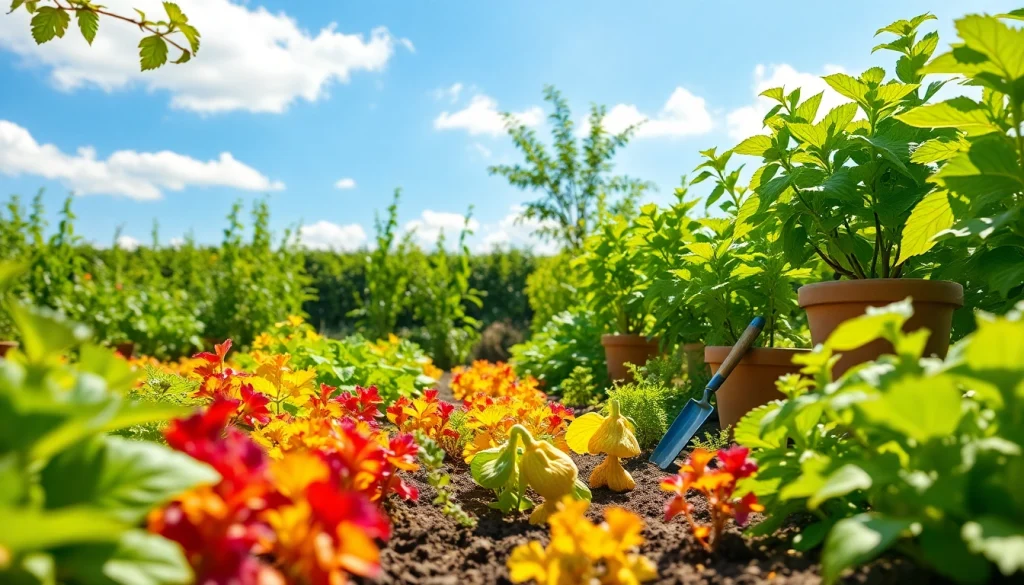
Understanding the Basics of Gardening
Gardening is more than a weekend hobby; it is a fulfilling practice that nurtures the bond between humans and nature. It allows one to create beautiful landscapes, produce healthy food, and enjoy the therapeutic benefits of working with soil and plants. Engaging with Gardening starts with understanding fundamental principles that make it both rewarding and successful. Let’s explore the essential elements that form the backbone of gardening, from soil health to tool selection and plant choices.
The Importance of Soil Health in Gardening
Soil is the foundation of any garden; its health determines the success of your plants. Healthy soil is teeming with organic matter and microorganisms that contribute to nutrient availability, structure, and overall fertility. Key components of soil health include:
- Organic Matter: Incorporating compost or well-rotted manure enriches the soil with nutrients and improves its structure.
- Soil pH: Most plants thrive in slightly acidic to neutral soil (pH 6.0-7.0). Testing your soil’s pH helps you make necessary adjustments.
- Nutrient Balance: Essential nutrients such as nitrogen, phosphorus, and potassium should be present in optimal amounts. Soil testing can guide amendments.
- Aeration and Drainage: Good soil structure promotes aeration, allowing roots to access water and nutrients while preventing waterlogging.
Regular maintenance, including mulching and cover cropping, can further enhance soil structure and fertility over time.
Selecting the Right Plants for Your Space
Choosing the appropriate plants for your garden is crucial and can significantly impact your success. Consider the following factors:
- Climate and Hardiness Zone: Research which plants thrive in your local climate. Use hardiness zone maps to ascertain suitable species.
- Space Availability: Consider how much space you have and choose plants that won’t overcrowd each other. Understanding growth habits is key.
- Sunlight Requirements: Observe the sunlight patterns in your garden to select plants that match the light conditions – full sun, partial shade, or full shade.
- Water Needs: Group plants with similar water requirements to simplify watering and care.
Native plants are often the best choice as they are well adapted to local conditions and typically require less maintenance.
Basic Tools: Essential Gear for Effective Gardening
Having the right tools simplifies gardening tasks and enhances your productivity. Here’s a list of essential gardening tools:
- Hand Trowel: Ideal for planting, transplanting, and digging small holes.
- Pruning Shears: Necessary for keeping plants healthy through regular trimming.
- Garden Fork: Useful for breaking up soil and incorporating compost.
- Watering Can/Hose: Essential for providing adequate hydration to your plants.
- Garden Gloves: Protects your hands from thorns and soil while ensuring a firm grip.
Investing in durable, ergonomic tools can make gardening tasks easier and more enjoyable.
Planning Your Garden Layout
A well-planned garden layout can maximize space, light, and resources, leading to a more successful gardening experience. Here are critical aspects of garden design:
Effective Garden Design Principles
When planning your garden, incorporate the following design principles:
- Balance: Strive for visual balance by distributing plants and features evenly throughout the garden perimeter.
- Color and Texture: Use a mix of colors and textures to create interest; consider the blooming seasons for year-round appeal.
- Focal Points: Create focal points, like a garden sculpture or a striking flower bed, to draw the eye and provide intrigue.
- Pathways: Design pathways for accessibility, ensuring ease of navigation while avoiding plant damage.
More comprehensive garden layouts may even incorporate tech, such as garden design software or apps, to offer visual aids during planning.
Sunlight and Water: Key Factors in Gardening
Sunlight and water are two of the most critical factors influencing plant health:
- Sunlight: Determine the sun exposure in various areas of your garden. Most vegetables need at least 6 hours of direct sunlight daily.
- Watering: Over-watering and under-watering are both detrimental. Establish appropriate watering depths and schedules, ideally early in the morning or late in the evening to reduce evaporation.
Implementing a drip irrigation system can efficiently conserve water while providing consistent moisture.
Companion Planting: Maximizing Space and Growth
Companion planting is a method where certain plants are grown together for mutual benefit, whether it’s repelling pests or enhancing growth:
- Mutual Protection: Some plants naturally repel pests. For example, marigolds deter aphids while planting basil alongside tomatoes can enhance flavor.
- Improved Growth: Corn, beans, and squash create a trio that benefits from each other’s growth habits and requirements.
- Space Optimization: Utilize vertical gardening techniques alongside companion planting to maximize space, especially useful in small gardens.
Research companion planting combinations to take advantage of synergistic effects.
Seasonal Gardening Tips
Different seasons pose unique challenges and opportunities in gardening. Adapting your gardening practices according to the seasons ensures ongoing success and productivity.
Spring Gardening: Preparing Your Bed
With the arrival of spring, it is time to prepare your garden beds:
- Soil Preparation: Clear away debris and weeds, and amend your soil with organic material.
- Planting Schedule: Research which plants can be started indoors or directly seeded outdoors.
- Mulching: Apply mulch to retain moisture and suppress weeds as the weather warms.
Spring is the prime time for planting cool-season crops, such as peas and lettuce.
Summer Care: Managing Heat and Watering
Summer brings highs in temperature; here’s how to maintain your garden during these hotter months:
- Regular Watering: Increase watering frequency, ensuring consistent moisture, especially in containers.
- Shade Provision: Provide shade for sensitive plants during the hottest parts of the day to prevent wilting.
- Pest Monitoring: Regularly check for pests and diseases, acting quickly to mitigate any issues.
Utilizing shade cloth or planting tall crops to shade shorter ones can effectively manage heat exposure.
Fall Harvesting: Collecting and Preserving
As summer gives way to fall, it’s time to enjoy the fruits of your labor:
- Harvesting: Picking your vegetables and fruits at their peak ripeness ensures maximum flavor.
- Preservation Techniques: Explore canning, freezing, or drying methods to store your harvest for future use.
- Soil Care: Consider planting cover crops to enrich the soil over winter.
Fall is a great time to evaluate what worked well in your garden and what requires adjustment for the future.
Sustainable and Eco-Friendly Gardening Practices
With growing environmental concerns, adopting sustainable gardening practices has become crucial for gardeners:
Organic Gardening: Principles and Benefits
Organic gardening emphasizes working with nature rather than against it:
- No Synthetic Chemicals: Avoiding synthetic fertilizers and pesticides reduces environmental harm and promotes biodiversity.
- Healthier Produce: Organic gardening often results in more nutritious produce due to rich, natural soil.
- Soil Preservation: Promotes soil integrity by emphasizing soil health and nutrient cycling.
Organic gardening practices significantly contribute to cultivating a sustainable ecosystem while enhancing biodiversity.
Composting: Recycling for Healthier Soil
Composting is a simple yet effective way of recycling organic waste to enrich the soil:
- Waste Reduction: Diverting kitchen scraps and yard waste from landfills reduces overall waste and greenhouse gas emissions.
- Soil Health Improvement: Compost adds vital nutrients back to the soil, improving its structure and moisture retention ability.
- Microbial Activity: Active microorganisms in compost help break down organic matter and make nutrients available to plants.
Setting up a compost bin can be an incredibly rewarding practice that benefits both individuals and the environment.
Natural Pest Control Techniques for Successful Gardening
Employing natural pest control methods can minimize chemical usage while effectively managing pests:
- Beneficial Insects: Attract predators like ladybugs and lacewings, which naturally control aphids and other pest populations.
- Neem Oil: A natural pesticide derived from the neem tree, effective against a wide range of insects.
- Plant Sacrificial Crops: Planting certain species that attract pests away from your main crops can help protect them.
Observation and an understanding of pest life cycles allow for timely intervention, maintaining the health of your garden.
Advanced Gardening Techniques
Once you’re comfortable with basic techniques, consider exploring advanced gardening methods to innovate your practice:
Vertical Gardening: Creative Space Solutions
Vertical gardening is an ingenious solution for maximizing space and aesthetics:
- Space Efficiency: Ideal for small gardens and urban spaces where horizontal space is limited.
- Improved Air Circulation: Reduces the risk of fungal diseases associated with crowded plants.
- Enhanced Design: Adds visual interest to gardens by creating layers and adding dimension.
There are various methods for vertical gardening, such as trellises, wall planters, and modular vertical systems.
Hydroponics: Growing Without Soil
Hydroponics is an advanced growing technique that utilizes nutrient-rich water instead of soil:
- Faster Growth Rates: Plants grown hydroponically can grow faster due to direct access to nutrients.
- Water Conservation: This method uses up to 90% less water compared to traditional soil gardening.
- Year-Round Cultivation: Hydroponic systems can be set up indoors, allowing for year-round gardening regardless of outdoor conditions.
While requiring a more significant initial investment and careful monitoring, hydroponics can yield substantial rewards.
Garden Maintenance: Ongoing Care for Long-Term Success
Regular garden maintenance ensures ongoing productivity and aesthetic appeal:
- Weed Control: Regularly removing weeds prevents competition for nutrients and space.
- Seasonally Adjusting Care: Adapt your care and maintenance practices with the seasons, adjusting watering and feeding schedules accordingly.
- Rotating Crops: Practice crop rotation to prevent nutrient depletion and pest buildup in your soil.
Establishing a care schedule helps maintain a thriving garden, ensuring it remains a source of joy and abundance for years to come.