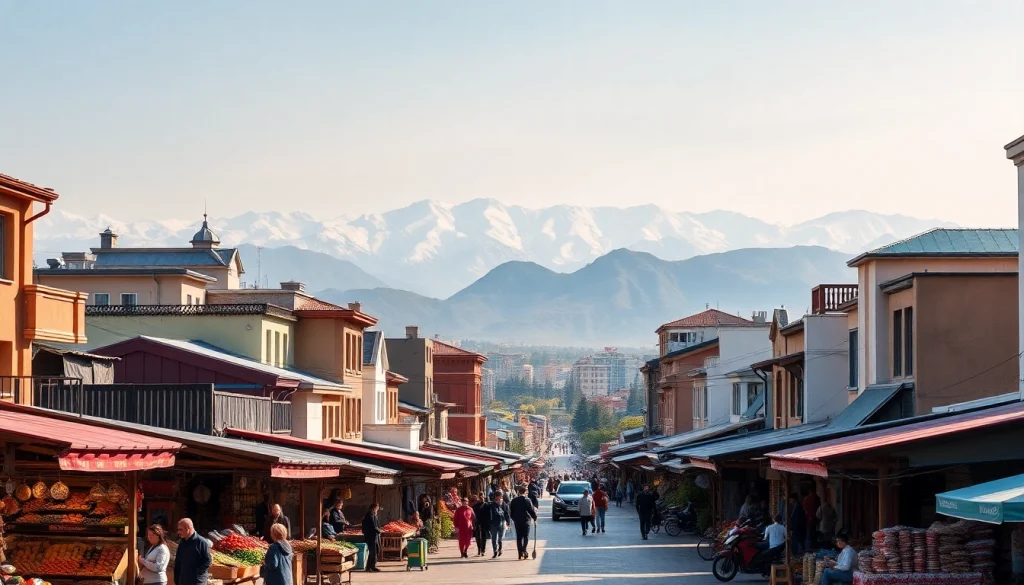
The Cultural Heritage of Almaty
Historical Influences on Almaty’s Development
Almaty, known historically as Almahata, is a city steeped in rich history that has significantly influenced its cultural landscape. Throughout the centuries, Almaty has been a crucial hub due to its location at the crossroads of the ancient Silk Road, facilitating the exchange of trade, ideas, and cultures. This positioning attracted various nomadic tribes, including the Persian, Turkic, and Mongolian influences that shaped its development over centuries.
Significant developments began in the late 19th century when the Russian Empire claimed the city. The Russian influence brought about urban planning, including the introduction of neoclassical architecture that blended with local Kazakh styles. The Soviet era further altered Almaty’s skyline with modernist structures, reflecting the political backdrop of the time. Today, remnants of Almaty’s history are visible in its architecture, public spaces, and cultural practices, making it a treasure trove of historical exploration.
Traditional Practices and Modern Life
While Almaty embraces modernity, it also holds onto its traditional practices. The blend of old and new can be seen in daily life, where locals partake in age-old customs interwoven with contemporary lifestyles. For instance, the use of yurts—a traditional nomadic dwelling—can be found alongside modern apartments, symbolizing the balance between tradition and progress.
Community gatherings often center around festive traditions such as Nauryz, a celebration of the spring equinox, marked by communal meals and various cultural performances. This celebration showcases traditional Kazakh music, dances, and games, bridging generational gaps and inviting younger citizens to engage with their heritage actively.
Key Cultural Events and Festivals
Almaty is rich in cultural events and festivals that reflect its heritage and modern sensibilities. One of the most notable is the Almaty City Day, which is celebrated annually and features a series of events that include parades, cultural exhibitions, and performances showcasing local artists and traditional music.
Another prominent event is the Almaty International Film Festival, which invites filmmakers and artists from around the globe to participate and share their narratives. This festival not only fosters cultural exchange but also positions Almaty as a burgeoning destination for arts and culture enthusiasts.
Natural Beauty Surrounding Almaty
Overview of the Tian Shan Mountains
The Tian Shan mountains are a captivating backdrop to Almaty, offering breathtaking vistas and a rich natural environment. Known as the “Heavenly Mountains,” the range extends across several Central Asian countries, but its peaks surrounding Almaty are truly stunning, with many summits reaching over 4,000 meters.
The region is renowned for its diverse ecosystems, from lush, verdant valleys to stark, rocky peaks. This geographical variety not only provides beautiful landscapes but also a habitat for numerous flora and fauna, including endemic species. The mountains are a popular destination for both locals and tourists who partake in activities such as hiking, skiing, and mountaineering.
Parks and Outdoor Activities
Beyond the majestic peaks of the Tian Shan, Almaty is home to a variety of parks and outdoor spaces that celebrate its natural beauty. The city’s Central Park is a beloved spot where residents unwind, engage in sports, and enjoy the serenity of nature amid a bustling urban environment. Another gem is the Panfilov Park, which features the iconic Zenkov Cathedral, set against a backdrop of lush greenery.
The nearby Medeu and Shymbulak areas are hotspots for outdoor activities. Medeu holds the world record for the highest ice skating rink and invites visitors for both skating and surrounding mountain hikes. Meanwhile, Shymbulak offers ski slopes that are well-regarded among winter sports enthusiasts, attracting individuals seeking thrills in both winter and summer.
Conservation Efforts in Almaty
With rapid urban development and population growth, conservation efforts in Almaty have become increasingly crucial. Local organizations work tirelessly to protect natural habitats and promote sustainability. Initiatives include reforestation programs in the Tian Shan mountains and campaigns aimed at raising awareness about preserving biodiversity.
A critical aspect of these efforts is community engagement. Educational programs in schools emphasize the importance of environmental stewardship, encouraging the younger generation to appreciate and protect their natural surroundings. Conservation projects aim to create a balance between urban expansion and ecological preservation, ensuring that Almaty can thrive without sacrificing its natural heritage.
Culinary Delights of Almaty
Traditional Kazakh Cuisine
Almaty’s culinary scene is vibrant and diverse, heavily influenced by traditional Kazakh cuisine. Dishes such as Beshbarmak, made from boiled meat and served with pasta, showcase the nomadic roots of Kazakhstan, reflecting a communal way of dining that fosters connection among family and friends.
Another staple is Plov, a flavorful rice dish enriched with vegetables and meat, often enjoyed during significant gatherings. In addition, various dairy products like Kymyz (fermented mare’s milk) and traditional bread, like Lepyoshka, add a unique signature to the Kazakh menu, drawing culinary enthusiasts from around the world.
Popular Local Markets and Eateries
To experience Almaty truly, visiting its local markets and eateries is essential. The Green Bazaar is a bustling marketplace where the vibrancy of local produce, spices, and traditional foods can be found. Visitors can explore the colorful stalls, sample fresh fruits, and purchase artisanal goods, immersing themselves in the local culture.
Cafes and eateries, such as those found along Abai Avenue, serve a variety of dishes that cater to both local tastes and international flavors. These places often highlight culinary innovation while respecting traditional roots, making dining in Almaty a dynamic experience.
Food Festivals and Culinary Events
Food festivals play a central role in celebrating the rich culinary traditions of Almaty. Events such as the Almaty Food Festival showcase chefs who represent different aspects of Kazakh and international cuisine, igniting a sense of community through food.
Such festivals also include workshops where participants can learn to prepare traditional dishes, cultivating a deeper understanding of the cultural significance behind each delicacy. These events encourage culinary tourism, inviting local and international food enthusiasts to participate.
Navigating Almaty: Travel Tips
Best Times to Visit Almaty
The best times to visit Almaty depend largely on the activities one desires to pursue. For outdoor enthusiasts, the summer months from May to September offer excellent temperatures for hiking and exploring the natural landscapes. Conversely, winter sports aficionados may prefer visiting from December to March, when the snow-capped mountains present the perfect conditions for skiing and snowboarding.
It is advisable to avoid the peak tourist months if looking for a more intimate experience with the local culture; visiting during late spring or early autumn can provide a pleasant blend of good weather and less crowded attractions.
Transportation Options in the City
Almaty boasts a variety of transportation options that make navigating the city convenient and efficient. The metro system, while small, is an affordable way to traverse the city’s core. Numerous buses and taxis supplement the metro, providing versatility for those who may wish to explore areas beyond the main transit lines.
For visitors looking for a more immersive experience, several bike-sharing initiatives have emerged, encouraging eco-friendly travel while allowing tourists to explore at their own pace.
Recommended Itineraries for Travelers
For a comprehensive experience, a recommended itinerary could include a full day dedicated to exploring the cultural heritage sites, beginning with the Central State Museum followed by a visit to the famous Zenkov Cathedral in Panfilov Park, and concluding with a traditional Kazakh dinner. A day trip to the Tian Shan mountains offers an exhilarating escape, filled with hiking and sightseeing amidst stunning natural vistas.
Furthermore, planning for a mix of historic trails, culinary experiences, and interaction with locals, perhaps through guided tours or community events, can enhance the enjoyment and understanding of Almaty’s multifaceted identity.
Community and Society in Almaty
Demographics and Local Life
Almaty is characterized by its diverse demographic composition, which includes a mix of ethnic Kazakhs and various minority groups reflecting the country’s historical influences. This melting pot creates a rich tapestry of cultural experiences, seen especially in local festivals, cuisine, and daily interactions.
The intertwining of different cultures enhances community life. Public squares and parks often serve as venues for social interactions, where people converge for leisure, celebrations, and cultural exhibitions, thus fostering a strong sense of community among the residents.
Education and Institutions in Almaty
Education plays a crucial role in Almaty, with numerous educational institutions that provide diverse levels of academic offerings. Schools integrate traditional Kazakh culture with progressive teaching methodologies, preparing students for the demands of a globalized world.
Higher education institutions, such as Al-Farabi Kazakh National University, emphasize research and innovation, often collaborating with international universities to enhance academic standards and expand opportunities for students.
Societal Challenges and Developments
Despite its wealth of culture and history, Almaty faces several societal challenges, including rapid urbanization and economic disparity. The city’s growth has put a strain on infrastructure and public services, which has raised concerns among locals.
However, various initiatives are underway to address these issues, such as community forums aimed at encouraging resident participation in urban planning and development projects. Grassroots movements also focus on social equality and environmental awareness, signaling a positive trend toward sustainability and community unity.