Fly fishing is more than just a hobby; it’s a passion that requires skill, patience, and the right equipment. For enthusiasts looking to elevate their experience, building a Fly fishing kit tailored to their needs can make all the difference. A custom fly fishing kit ensures that every cast, every lure, and every tool is exactly what you need for your specific fishing style and environment. Whether you are a beginner or a seasoned angler, understanding how to assemble the right kit is essential for success on the water.
- Understanding the Essentials of a Fly Fishing Kit
- Choosing the Right Fly Rod and Reel
- Selecting the Perfect Fly Line and Leaders
- Choosing Flies for Your Fly Fishing Kit
- Essential Accessories for a Custom Fly Fishing Kit
- Organizing Your Fly Fishing Kit
- Maintaining and Upgrading Your Fly Fishing Kit
- Final Tips for Building the Perfect Fly Fishing Kit
Understanding the Essentials of a Fly Fishing Kit
Before diving into the specifics, it’s important to understand what a complete fly fishing kit should include. At its core, a fly fishing kit is designed to provide all the necessary tools and accessories to fish efficiently and effectively. This includes a fly rod, reel, line, leaders, tippet, flies, and essential accessories such as forceps, floatant, and a landing net.
Every angler has different needs, so customizing your fly fishing kit is about matching the gear to the type of fishing you plan to do. For instance, fishing in small streams may require a lightweight rod and delicate flies, while larger rivers or lakes might demand a sturdier setup.
Choosing the Right Fly Rod and Reel
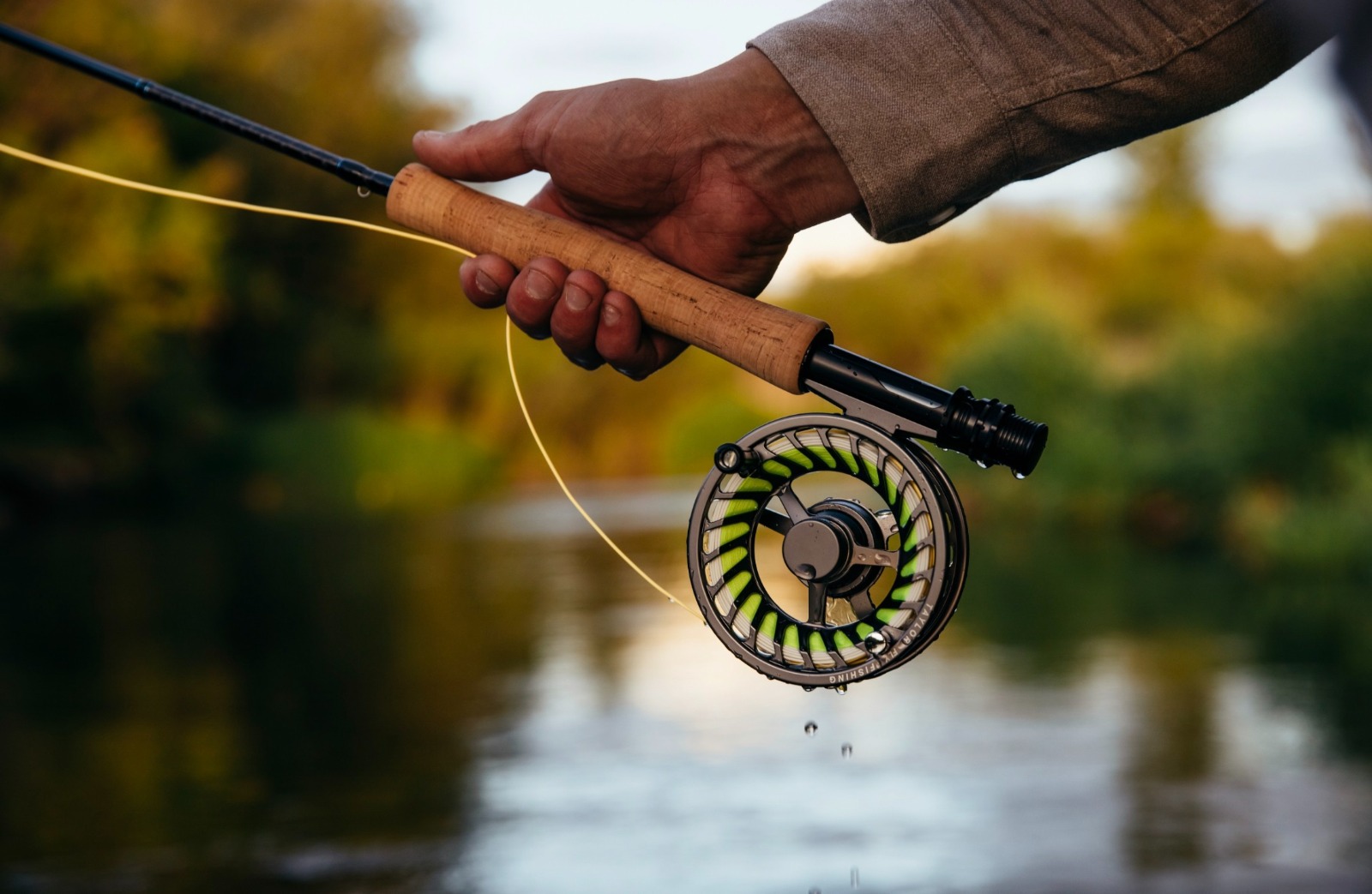
The fly rod and reel are the backbone of your fly fishing kit. Selecting the right rod depends on the fish species you’re targeting, the water conditions, and your casting technique. Most beginners find a 9-foot, 5-weight rod versatile enough for various environments.
The reel should complement the rod and offer smooth drag functionality. A good reel balances the rod and makes fighting fish easier. When building a custom fly fishing kit, don’t overlook matching the line weight to your rod, as this ensures optimal casting performance.
Selecting the Perfect Fly Line and Leaders
The fly line is crucial in your fly fishing kit, as it controls the presentation of your fly. Floating lines are ideal for surface fishing, while sinking lines are suited for deeper waters. Leaders and tippet are equally important because they provide a smooth transition from the thick fly line to the delicate fly, allowing for a natural drift in the water.
Consider carrying multiple leader lengths and tippet sizes in your kit to adapt to changing water conditions and fish behavior. This flexibility is what sets a well-thought-out fly fishing kit apart from a generic, off-the-shelf setup.
Choosing Flies for Your Fly Fishing Kit
Flies are the heart of any fly fishing kit. They mimic the insects and baitfish that fish feed on, and having the right selection can make or break your fishing trip. Dry flies, nymphs, streamers, and emergers are essential types to include in your kit.
It’s important to research the local hatch patterns of the area you plan to fish. By tailoring your fly selection to the environment, your custom fly fishing kit becomes significantly more effective. Organizers and fly boxes are practical tools for keeping your flies sorted and accessible.
Essential Accessories for a Custom Fly Fishing Kit
A functional fly fishing kit is more than just rods, reels, and flies. Accessories like forceps, line clippers, floatant, strike indicators, and a landing net can dramatically improve your fishing efficiency. Waders and boots are also essential for anglers planning to fish in rivers or streams.
Including a small tackle bag or backpack in your kit ensures that all your gear is portable and easy to access. Customizing these accessories based on your fishing style will make your kit not only practical but enjoyable to use.
Organizing Your Fly Fishing Kit
Once you’ve selected all the components for your fly fishing kit, proper organization is key. Use fly boxes to separate different fly types, and store lines, leaders, and tippets in labeled compartments. Keeping tools and accessories organized reduces stress and allows you to focus on fishing rather than searching for gear.
For traveling anglers, consider a compact, portable version of your kit that includes essential items without sacrificing functionality. Organization transforms your fly fishing kit from a collection of gear into a fully integrated fishing system.
Maintaining and Upgrading Your Fly Fishing Kit
A custom fly fishing kit requires regular maintenance to stay effective. Rinse your rod and reel after each use, especially in saltwater environments, and check lines for frays or damage. Replace worn-out flies and tippets to ensure your kit is always ready for the next fishing adventure.
As you gain experience, your fly fishing kit may evolve. Adding specialized flies, upgrading your reel, or experimenting with different rod types will enhance your fishing capabilities. The beauty of a custom kit is that it grows with your skills and adapts to new fishing challenges.
Final Tips for Building the Perfect Fly Fishing Kit
Building your own fly fishing kit is a rewarding process that combines knowledge, experience, and personal preference. Start with the essentials, gradually expand your fly selection, and tailor accessories to your specific fishing style. Remember, the goal is a kit that feels intuitive, efficient, and perfectly suited to your needs.
By carefully selecting each component and organizing your gear thoughtfully, your custom fly fishing kit will not only improve your chances of success on the water but also make every fishing trip more enjoyable. With a well-built kit in hand, you’ll be prepared for any adventure, whether it’s a quiet mountain stream or a vast, winding river.