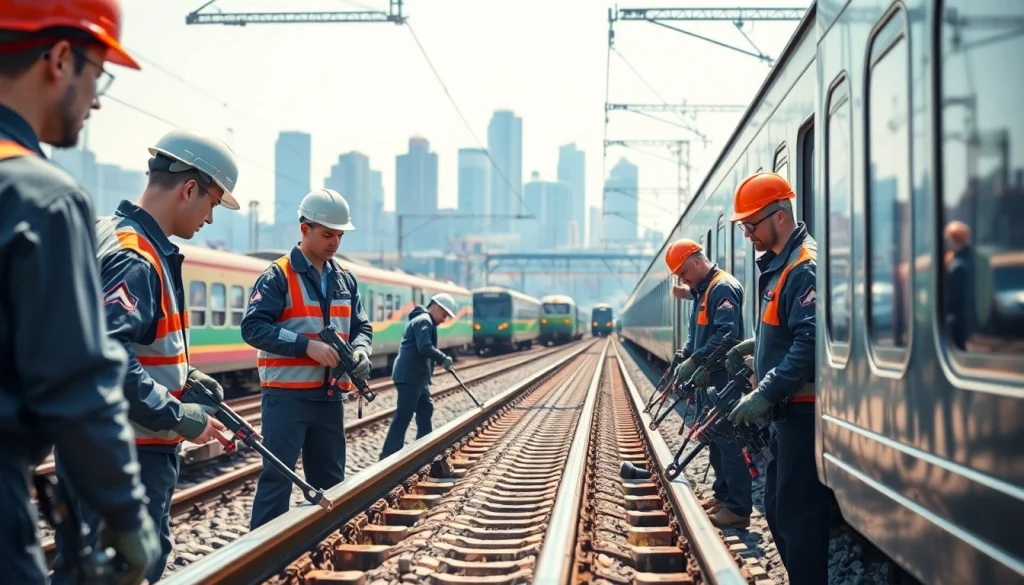
Understanding Railway Maintenance
What Is Railway Maintenance?
Railway maintenance refers to the systematic management and upkeep of railway infrastructure including tracks, stations, signaling systems, and rolling stock. It encompasses a wide range of activities designed to ensure that all components of the railway system function safely and efficiently. The objective is to minimize interruptions in service, extend the lifespan of equipment, and maintain high safety standards for users and operators alike. Effective railway maintenance involves regular inspections, timely repairs, and adherence to industry regulations.
Importance of Railway Maintenance
The significance of railway maintenance cannot be overstated. It plays a crucial role in ensuring safety by preventing accidents that can arise from equipment failure or track issues. Well-maintained railways are less likely to experience costly downtimes, which is vital for operational efficiency and reliability. Moreover, railway maintenance supports sustainable transport solutions by extending the life of infrastructure, ultimately reducing costs and environmental impacts associated with repair or replacement.
Components of Railway Maintenance
Railway maintenance can be broadly divided into several key components:
- Track Maintenance: Involves the inspection and repair of tracks to prevent derailments.
- Rolling Stock Maintenance: Concerns the upkeep of locomotives and carriages to ensure optimal performance.
- Signal and Communication Systems: Relates to maintaining signaling equipment to ensure safe passage for trains.
- Station Maintenance: Involves the upkeep of stations for passenger safety and comfort.
Types of Railway Maintenance
Preventive Maintenance Approaches
Preventive maintenance is a proactive strategy aimed at minimizing unexpected failures through scheduled inspections and routine maintenance activities. This includes regularly checking and replacing worn-out parts, such as track foundations, and ensuring that rolling stock is serviced at predetermined intervals. By employing preventive maintenance, railway operators can significantly reduce the likelihood of costly emergency repairs and improve overall service reliability.
Corrective Maintenance Practices
Corrective maintenance is conducted after a failure has occurred. This type of maintenance aims to restore the equipment or system to its proper operational state. While necessary, it is typically more costly and labor-intensive than preventive maintenance. Operators should document corrective maintenance interventions carefully to identify recurring issues, which can inform future preventive strategies.
Predictive Maintenance Technologies
Predictive maintenance leverages data analytics, machine learning, and IoT (Internet of Things) technology to anticipate failures before they happen. By monitoring real-time data from equipment and tracks, railway companies can accurately predict when a system may fail or require maintenance. This approach optimizes maintenance schedules, reduces downtime, enhances safety, and ultimately lowers operational costs.
Challenges in Railway Maintenance
Weather-Related Issues
One of the most significant challenges in railway maintenance is the impact of weather conditions. Severe weather events such as snow, ice, rain, and extreme temperatures can compromise the integrity of tracks and the efficiency of maintenance operations. To mitigate these effects, railway systems should implement weather preparedness strategies, including the use of heated tracks and enhanced drainage systems.
Budget Constraints
Budget constraints can severely limit the scope and efficacy of maintenance operations. Lower funding can lead to reduced maintenance frequency, which increases the risk of accidents and operational disruptions. Railway companies must prioritize their budgets, focusing on critical maintenance areas while seeking innovative funding sources or partnerships to augment resources.
Technological Limitations
While technology plays a crucial role in modern railway maintenance, there are also limitations that must be addressed. Some older infrastructure may not be compatible with new technologies, leading to integration challenges. Additionally, the ongoing cost of upgrading systems can be a hurdle. Railway operations need to invest in comprehensive training programs for staff to effectively utilize new technologies.
Best Practices for Effective Railway Maintenance
Regular Inspections and Assessments
Conducting regular inspections and assessments is fundamental to effective railway maintenance. Employing a technically sound inspection routine can help identify potential issues before they escalate into serious problems. Utilizing advanced inspection equipment and techniques, including drones and ultrasonic testing, can enhance detection effectiveness and efficiency.
Leveraging Technology
Implementing modern technologies is essential for streamlining maintenance processes. Incorporating maintenance management software can automate scheduling, track equipment history, and forecast future needs based on real-time data. Furthermore, advanced analytics allows for the evaluation of maintenance performance metrics, thus refining operational protocols.
Training and Development for Staff
The workforce is a critical component of successful railway maintenance. Ongoing training and development programs ensure that staff stay updated with the latest maintenance techniques and safety standards. Investing in personnel development not only enhances equipment reliability but also boosts worker morale and reduces turnover rates.
Future Trends in Railway Maintenance
Integrating AI and Automation
Artificial intelligence (AI) and automation are set to revolutionize railway maintenance. Predictive algorithms can analyze vast datasets to enhance decision-making regarding maintenance schedules. Additionally, automated equipment, such as robotic maintenance vehicles, can carry out inspections and repairs, thereby reducing manpower requirements and improving operational efficiency.
Sustainability in Railway Practices
The shift towards sustainable practices is increasingly influencing railway maintenance strategies. This includes the use of eco-friendly materials in repairs, energy-efficient trains, and adopting processes that minimize environmental impacts. Maintaining sustainability will not only contribute to environmental protection but can also be a cost-saving measure in the long run.
Maintaining Safety Standards
With advancements in technology and practices, maintaining safety standards remains a top priority. Continuous monitoring systems that offer real-time data on the condition of tracks and rolling stock can prevent accidents and enhance safety protocols. A robust safety culture within the organization fosters compliance with regulations and encourages a proactive approach to risk management.
FAQs
What is the role of rail inspections in maintenance?
Rail inspections are critical in identifying potential issues before they become serious. They ensure safety, compliance, and efficiency in railway operations.
How often should railway maintenance be performed?
The frequency of railway maintenance depends on various factors, including traffic volume, environmental conditions, and the type of maintenance strategy employed.
What are the benefits of preventive maintenance?
Preventive maintenance reduces the chance of unexpected failures, prolongs equipment life, minimizes downtime, and improves overall service reliability.
How does weather affect railway maintenance?
Weather can severely impact the infrastructure’s integrity, requiring railways to implement strategies to counter challenges posed by adverse conditions.
What technology is transforming railway maintenance?
Technologies such as IoT, predictive analytics, and AI are transforming railway maintenance by enabling real-time monitoring and proactive maintenance strategies.