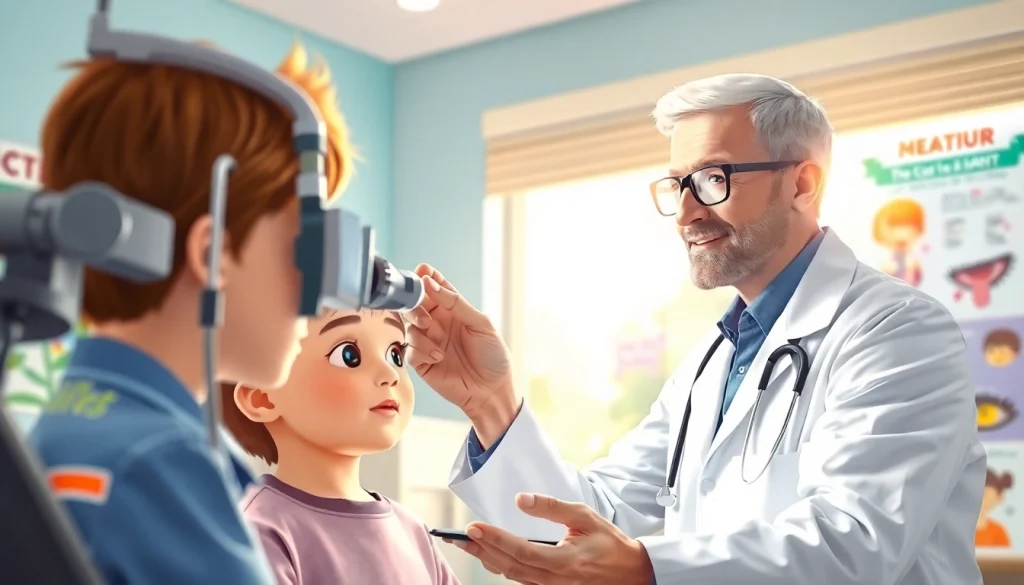
Understanding Our Children’s Vision
What is Our Children’s Vision?
Our Children’s Vision refers to the collective health, functionality, and development of children’s eyesight. This concept encompasses a wide range of topics, including the importance of routine eye examinations, recognition of visual impairments, and general eye health awareness among parents and guardians. Vision is a critical sense that plays a vital role in children’s development, influencing their learning, play, and overall quality of life. Ensuring that children receive appropriate eye care is essential for their well-being and future success.
The Importance of Pediatric Eye Care
Pediatric eye care is paramount for several reasons. Firstly, children’s eyes are still developing, which means that early detection and intervention of vision problems can lead to better outcomes. Issues such as amblyopia, commonly known as “lazy eye,” can be treated effectively if identified early. Secondly, many children’s learning disabilities, behavioral issues, and developmental delays can be linked to underlying vision problems. Regular eye examinations help in identifying these issues before they adversely affect a child’s development.
Common Vision Problems in Children
Several common vision problems may affect children, including:
- Myopia (Nearsightedness): Myopia affects a child’s ability to see distant objects clearly, leading to challenges in classroom settings.
- Hyperopia (Farsightedness): Hyperopia can cause difficulty with close-range tasks, making reading or writing challenging.
- Astigmatism: This refractive error leads to blurred vision at various distances, impacting daily activities like sports and reading.
- Amblyopia: Often referred to as lazy eye, amblyopia can develop when one eye has a significantly different refractive error than the other.
Recognizing Signs of Vision Issues
Behavioral Indicators of Poor Vision
Identifying potential vision problems in children may require careful observation of their behavior. Some common indicators include:
- Squinting: Children may squint to see better, indicating difficulty in visual focus.
- Frequent Eye Rubbing: This can suggest discomfort or strain in the eye.
- Avoidance of Near Tasks: If a child consistently avoids reading or drawing, they may be experiencing challenges with close vision.
- Tilting of the Head: A child who tilts their head to see better may have alignment issues.
How to Conduct Basic Vision Screenings at Home
Parents can conduct simple vision screenings at home to monitor their child’s eyesight. Here’s how to do it:
- Eye Chart Test: Use a printable eye chart (available online) to assess your child’s distance vision.
- Cover Test: While your child looks at a target, cover one eye and observe if the uncovered eye moves to stay focused on the target. Repeat for the other eye.
- Tracking Test: Use a toy or finger to move back and forth in front of your child’s face, observing their ability to follow the object with their eyes.
When to Consult an Eye Care Professional
Consulting an eye care professional is essential if you notice any signs of vision problems or if your child has difficulty in regular tasks such as reading, writing, or seeing the board at school. Additionally, regular check-ups are recommended starting from six months of age, followed by annual assessments to ensure ongoing eye health. Early detection is key; hence, do not hesitate to reach out for professional advice.
Preventive Measures for Eye Health
Nutrition and Eye Care: What Every Parent Should Know
Nourishing your child’s body also nourishes their eyes. Certain nutrients are linked to good eye health:
- Vitamin A: Essential for good vision, found in carrots, sweet potatoes, and spinach.
- Omega-3 Fatty Acids: Potentially reduces the risk of dry eyes; found in fish, walnuts, and flaxseeds.
- Lutein and Zeaxanthin: Found in leafy greens, these antioxidants help protect against damaging light and oxidative stress.
Creating a Screen Time Balance
In today’s digital age, managing screen time is crucial. Prolonged exposure to screens can lead to digital eye strain and may contribute to the development of myopia. Here are some strategies for parents:
- Set Limits: Establish daily screen time limits based on age; the American Academy of Pediatrics recommends no more than two hours per day for children 2 years and older.
- Encourage Breaks: Use the 20-20-20 rule; every 20 minutes, children should look at something 20 feet away for at least 20 seconds.
- Promote Outdoor Activities: Encourage children to spend more time outdoors as studies suggest that outdoor light exposure can reduce the risk of developing myopia.
Essential Safety Tips for Eye Protection
Protecting children’s eyes from injuries and harmful substances is crucial. Here are key safety tips:
- Use Protective Eyewear: Ensure that children wear the appropriate goggles during sports or while engaging in activities that pose a risk to eye safety.
- Be Cautious with Chemicals: Always keep chemicals, including household cleaners, out of children’s reach, and use eye protection when handling chemicals during activities.
- Sun Protection: Equip children with UV-blocking sunglasses when they are outdoors to protect against harmful UV rays.
Exploring Treatment Options
Common Treatments for Vision Problems
When vision problems are detected, various treatments may be implemented based on the specific issue:
- Glasses: Prescription eyewear can correct refractive errors like myopia, hyperopia, and astigmatism.
- Contact Lenses: Suitable for older children, these can provide a convenient alternative to glasses.
- Vision Therapy: This includes specific exercises designed to improve visual function and coordination.
- Surgery: In cases of severe vision problems or misalignment, surgical options may be considered, such as strabismus surgery or LASIK for older children.
Advanced Pediatric Eye Care Solutions
Recent advancements in pediatric eye care offer innovative solutions for managing children’s vision problems. These may include:
- Orthokeratology: A non-surgical approach using special contact lenses to reshape the cornea temporarily, often used to slow the progression of myopia.
- Digital Vision Therapy: Utilizes personalized digital programs to enhance visual skills, particularly beneficial for children with reading difficulties linked to vision.
- 3D Imaging and Telehealth: These technologies allow for more precise diagnosis and treatment options while enhancing accessibility to specialized care.
Importance of Regular Eye Exams
Regular eye examinations are crucial for monitoring vision development and ensuring that any issues are identified early. It is recommended that children have their first comprehensive eye exam at six months of age, followed by follow-ups at age three, and before entering school. These exams help in tracking changes in vision and eye health, which can significantly influence a child’s academic performance and overall quality of life.
Resources and Support for Parents
Educational Materials on Our Children’s Vision
Numerous resources are available to educate parents on children’s eye health. Trusted organizations provide materials that cover a range of topics including nutrition, the impact of screen time, and tips for conducting vision tests at home. Our Children’s Vision is an excellent platform that boasts comprehensive information and tools for parents and caregivers.
Connecting with Local Pediatric Eye Care Professionals
Establishing a good relationship with local pediatric eye care providers is essential. Parents can often find qualified professionals through community health centers, hospitals, or local directories. Networking with other parents and engaging with educational institutions may provide insights into the best available services in the vicinity.
Online Communities and Support Networks for Parents
Joining online communities can be invaluable for parents seeking support and information about children’s vision issues. Forums, social media groups, and message boards can provide an avenue for shared experiences, expert advice, and emotional support. Connecting with other parents facing similar challenges can foster a supportive network and promote a culture of proactive eye care amongst families.