Understanding Gamification in Education
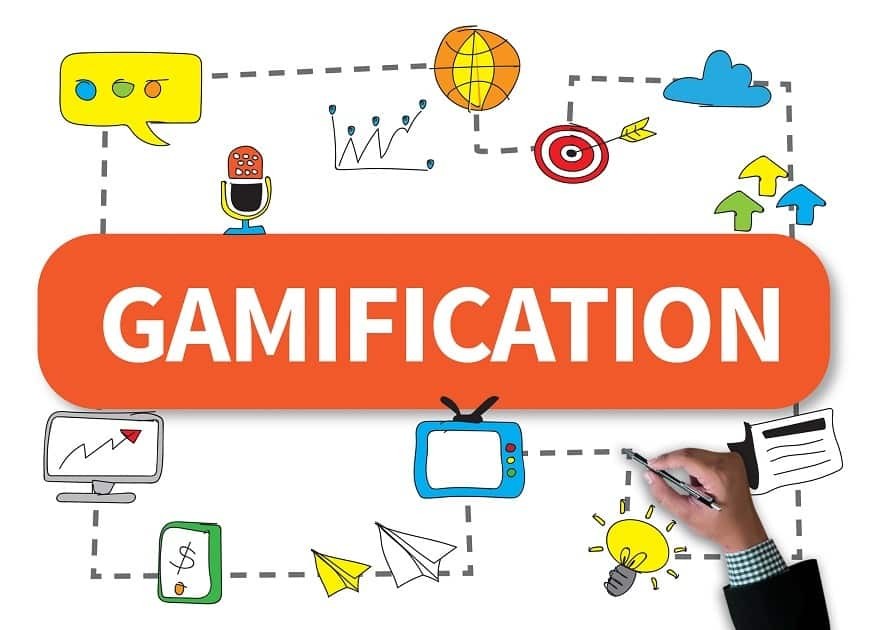
Gamification in education involves integrating game mechanics, such as points, leaderboards, challenges, and rewards, into learning environments to enhance engagement, motivation, and knowledge retention. In modern classrooms, it is no longer just an experimental strategy; it has become a vital component of instructional design. By leveraging Gamification in education, teachers can transform traditional lessons into interactive, student-centered experiences that encourage active participation and foster a deeper understanding of the material.
Modern learners, especially those in digital and hybrid classrooms, often struggle with maintaining focus. Gamification in education addresses this challenge by incorporating interactive tools that make learning both enjoyable and effective. These tools help educators create structured, goal-oriented experiences while giving students immediate feedback and recognition for their efforts.
Digital Platforms Supporting Gamification in Education
The rise of digital learning platforms has expanded the reach and effectiveness of gamification in education. Technology enables educators to implement gamified strategies at scale, track student progress in real-time, and personalize learning experiences based on individual needs.
Learning Management Systems
Learning Management Systems (LMS) are central to gamification in education. Platforms like Moodle, Canvas, and Blackboard allow educators to add gamified elements such as badges, progress bars, and levels to courses. These features motivate students to complete assignments, participate in discussions, and achieve mastery in a structured way.
LMS platforms also provide analytics, enabling teachers to identify trends in engagement and performance. By analyzing this data, educators can adjust gamified activities to ensure maximum impact, making gamification in education both measurable and effective.
Gamified Apps and Educational Software
Specialized apps are another key tool for gamification in education. Applications like Kahoot!, Quizizz, and Classcraft allow teachers to create interactive quizzes, challenges, and role-playing scenarios that align with lesson objectives. These tools enhance engagement by turning learning into a dynamic experience where students actively compete or collaborate.
Gamification in education through apps encourages immediate feedback, helping students understand their strengths and areas for improvement. It also supports differentiated learning, allowing students to progress at their own pace while still engaging with the curriculum.
AI-Powered Platforms
Artificial intelligence has added a new dimension to gamification in education. AI-driven tools can adapt challenges based on a student’s performance, offering personalized recommendations and dynamically adjusting difficulty levels. This ensures that learners remain motivated without becoming frustrated or bored.
Platforms that integrate AI with gamification in education provide intelligent tutoring, customized learning paths, and predictive analytics. These features make the learning experience more efficient and effective, helping students achieve better outcomes while maintaining engagement.
Classroom Tools for Engaging Students
Beyond digital platforms, various tools can enhance gamification in education directly within classrooms. These tools combine traditional teaching methods with interactive, game-based techniques to create immersive learning environments.
Interactive Quizzes and Polling Tools
Tools like Socrative and Mentimeter allow teachers to conduct live quizzes, polls, and surveys during lessons. These tools transform passive learning into an active, participatory process. Students receive immediate feedback on their responses, reinforcing knowledge and encouraging competition or collaboration.
Gamification in education through interactive quizzes improves attention, boosts confidence, and allows teachers to identify learning gaps quickly. This immediate insight helps refine instructional strategies in real-time.
Game-Based Learning Kits
Physical kits and classroom-based games are effective tools for gamification in education, especially for younger learners. Kits may include board games, card games, or activity sets designed to teach concepts through play.
These tools combine tactile engagement with structured learning objectives, ensuring that gamification in education is accessible even without digital technology. They foster teamwork, problem-solving, and critical thinking in a hands-on, interactive way.
Virtual and Augmented Reality Tools
VR and AR tools are transforming how gamification in education is implemented. Platforms like Nearpod VR and Google Expeditions allow students to explore immersive simulations, virtual field trips, and interactive experiments.
By providing experiential learning opportunities, these tools make complex concepts more tangible and engaging. Gamification in education through VR and AR encourages exploration, curiosity, and critical thinking while keeping students actively involved in the learning process.
Benefits of Using Gamification Tools in Modern Classrooms
Integrating gamification tools into education provides multiple benefits, ranging from enhanced engagement to measurable improvements in academic performance.
Improved Engagement and Motivation
Gamification in education tools increase participation by making learning interactive and rewarding. Students are more likely to stay focused, complete assignments, and contribute to classroom discussions when they are motivated by game-based elements.
Personalized Learning Experiences
AI-driven gamification tools allow for adaptive learning, where challenges are tailored to individual student needs. This personalization ensures that all learners can progress at their own pace, improving retention and comprehension.
Collaborative Learning Opportunities
Many gamification in education tools encourage teamwork and peer-to-peer interaction. Collaborative challenges and multiplayer activities develop communication skills, social learning, and problem-solving abilities.
Data-Driven Insights
Digital gamification tools generate valuable analytics that provide insights into student engagement, learning progress, and performance trends. Educators can use this data to refine instructional strategies and enhance overall learning outcomes.
Best Practices for Selecting Gamification Tools
When choosing gamification in education tools, educators should consider alignment with learning objectives, accessibility, and ease of integration. Tools should enhance, not distract from, the curriculum.
Align with Learning Goals
Every gamified element must support specific educational outcomes. Whether using quizzes, leaderboards, or VR simulations, the tool should directly reinforce the skills or knowledge being taught.
Ensure Accessibility and Inclusivity
Gamification in education should be inclusive, allowing all students, including those with learning differences, to participate meaningfully. Tools should accommodate diverse learning styles and provide multiple pathways to success.
Prioritize Engagement and Feedback
Effective gamification tools provide immediate, actionable feedback. This encourages students to reflect on their learning, make adjustments, and maintain motivation throughout the course.
The Future of Gamification in Education Tools
Emerging technologies promise to further expand the impact of gamification in education. AI, adaptive learning, and immersive virtual experiences will continue to enhance personalization and engagement.
Gamification in education tools will likely evolve into fully integrated platforms that combine assessment, analytics, content delivery, and interactive learning experiences. This evolution ensures that students remain motivated, engaged, and successful in increasingly complex learning environments.
Conclusion
Gamification in education tools are essential for creating dynamic, interactive, and effective modern classrooms. From AI-driven platforms and interactive apps to VR simulations and game-based kits, these tools provide educators with powerful methods to enhance engagement, motivation, and learning outcomes.
When thoughtfully implemented, gamification in education transforms learning from a passive task into an immersive, rewarding experience. By leveraging these tools, teachers can foster a culture of participation, curiosity, and achievement, ensuring students are prepared for academic success and lifelong learning.