What Are Wildfire Events?
Definition and Characteristics
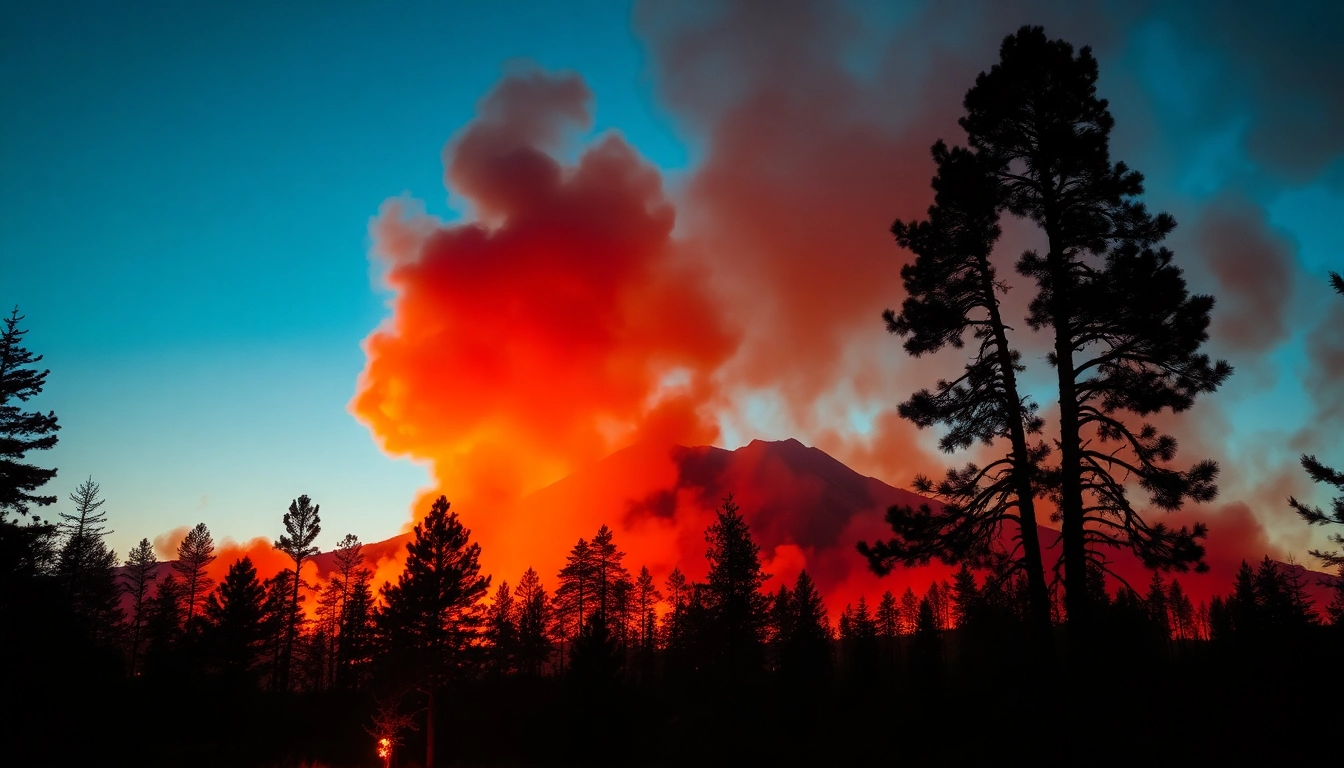
Wildfire events are uncontrolled fires that occur in wilderness areas, forests, and grasslands, fueled primarily by dry vegetation and weather conditions that facilitate their spread. They can range from small, manageable blazes to large, catastrophic infernos affecting vast areas. These events are characterized by their unpredictability, rapid spread, and potential for destruction, significantly impacting surrounding ecosystems and communities.
Types of Wildfire Events
Wildfire events can be categorized into various types based on their characteristics and origins:
- Surface Fires: These fires burn only the surface litter and dead material, typically moving slowly and causing less damage to trees.
- Crown Fires: These are intense fires that spread through the tops of trees, often driven by strong winds and posing significant threats to life and property.
- Ground Fires: Burning underground, these fires can smolder for long periods and are challenging to detect, often reigniting surface fires.
- Complex Fires: Involving a mix of surface, crown, and ground fires, these can rapidly evolve and require strategic approaches for control.
Causes of Wildfire Events
The origins of wildfire events can be broadly divided into natural and human-induced causes:
- Natural Causes: Lightning strikes are a significant natural cause, particularly in remote and forested areas where dry conditions exist.
- Human Causes: Activities such as campfires, discarded cigarettes, arson, and power lines can ignite wildfires, contributing to a notable percentage of incidents.
The Environmental Impact of Wildfire Events
Effects on Flora and Fauna
Wildfire events can dramatically alter ecosystems. While some plant species depend on fire for regeneration (e.g., certain pine species), the immediate aftermath typically results in the loss of habitats for various animals. Many species may be killed or displaced during a wildfire, creating a ripple effect throughout the food chain.
Soil and Water Impact
Wildfires can drastically affect soil properties, often leading to erosion and degradation. The hydrophobic layer created after fires prevents water infiltration, which can lead to increased runoff and flooding post-event. Additionally, ash and pollutants from fire can contaminate water sources, posing risks to aquatic life.
Climate Change Connections
Recent studies have established a link between climate change and the increasing frequency, intensity, and duration of wildfire events. Rising temperatures and prolonged drought conditions contribute to a more conducive environment for wildfires, challenging existing disaster management strategies.
Wildfire Events: Preparedness and Response
Strategies for Communities
Community preparedness is vital in mitigating the effects of wildfire events. Implementing fire-resistant landscaping, creating defensible spaces around homes, and engaging in education about fire risks are effective strategies communities can adopt to minimize damage.
Emergency Management Systems
Robust emergency management systems are essential for effective wildfire response. These systems should include coordinated communication plans, trained responders, and resource allocation to quickly address developing situations. Additionally, technology such as satellite monitoring can help identify potential threats and coordinate responses.
Public Health Considerations
Beyond immediate fire risks, wildfire events pose significant public health challenges, including air quality deterioration due to smoke inhalation. Vulnerable populations, such as the elderly and individuals with respiratory conditions, require proactive measures, including public health advisories and evacuation plans.
Managing Wildfire Events: Prevention Techniques
Firebreaks and Controlled Burns
Firebreaks, cleared areas devoid of combustible material, play a crucial role in wildfire prevention. Additionally, controlled burns are utilized to reduce hazardous fuel build-up and minimize the risk of uncontrolled wildfires. Both measures require careful planning and execution to be effective.
Policy and Regulation Impact
Government policies and regulations significantly impact wildfire management. Implementing strict building codes in fire-prone areas, investing in forestry management, and enforcing land-use policies can mitigate risks associated with wildfire events.
Community Involvement in Prevention
Engaging communities in wildfire prevention efforts fosters resilience. Local workshops and volunteer days can educate community members about fire risks while empowering them to take actionable steps in maintaining their surroundings.
Case Studies of Recent Wildfire Events
Analysis of Major Wildfires
Several major wildfire events in recent history have provided critical insights into effective management and preventive strategies. Analysis of these incidents, including their causes and impacts, informs future approaches to wildfire events.
Lessons Learned from Past Events
Past wildfire events have highlighted the importance of preparedness and response strategies. Lessons emphasize the necessity of community engagement, proactive measures, and robust communication systems during emergencies.
Future Directions in Wildfire Management
The future of wildfire management is likely to incorporate more technology, such as artificial intelligence for predictive modeling and enhanced environmental management to create sustainable ecosystems less prone to wildfires. A collaborative approach involving governments, communities, and environmentalists will be essential for effective wildfire management.
Frequently Asked Questions
What is the most famous wildfire in history?
The Peshtigo Fire remains the deadliest wildfire in recorded history, occurring in Wisconsin. It burned over 1.2 million acres and led to a significant loss of life.
What is a wildfire event?
A wildfire event refers to any uncontrolled fire in undeveloped land that often requires firefighting efforts. These can be caused by natural phenomena or human actions.
What are the effects of wildfires on air quality?
Wildfires produce substantial smoke, releasing particulate matter and harmful pollutants that can degrade air quality, posing health risks to nearby populations.
How can communities prepare for wildfire events?
Communities can prepare for wildfire events by creating defensible spaces, educating residents on fire risks, and establishing robust emergency response plans.
What role does climate change play in wildfires?
Climate change has been linked to increased temperatures and prolonged droughts, creating conditions that enhance the frequency and severity of wildfire events.
To explore more on Wildfire events and the challenges they present, individuals and communities must stay informed and proactive in their preventive measures.