
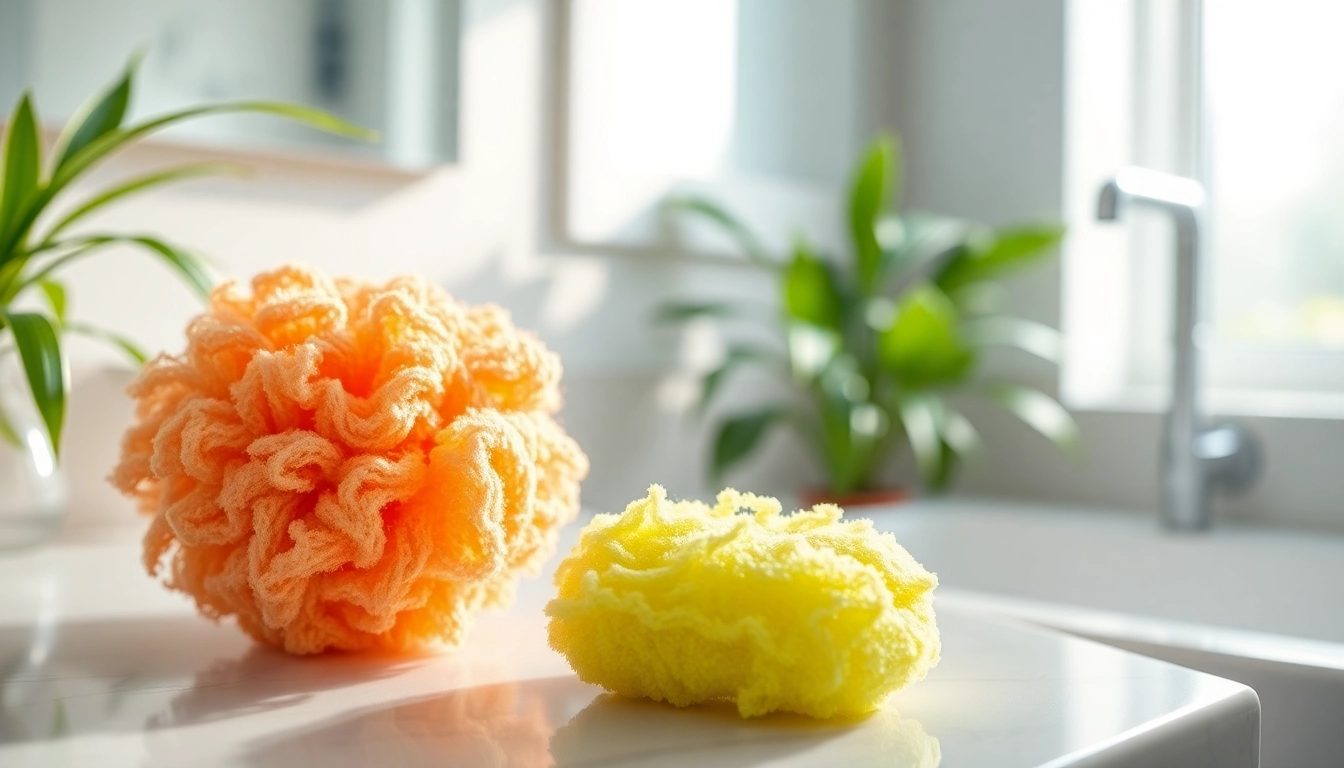
Understanding Loofah: Types and Uses
What is a Loofah?
A loofah, often seen as a staple in many households, is a fibrous bath accessory made from the mature fruit of the loofah plant. This plant belongs to the cucumber family, and its dried skeleton creates a natural sponge that has gained popularity for its exfoliating properties. When soaked in water, a loofah becomes soft and pliable, making it an ideal tool for scrubbing and cleansing the skin during baths or showers.
Types of Loofahs Available
There are primarily two types of loofahs available in the market: natural and synthetic. Natural loofahs are derived from the loofah gourd and offer an organic solution for bathing, while synthetic loofahs are typically made from plastic fibers and provide a softer option. Natural loofahs are preferred for their eco-friendly attributes, as they are biodegradable and provide an authentic scrubbing experience. In contrast, synthetic loofahs tend to hold up better over time and can be found in various colors and designs.
Common Uses for Loofahs
Loofahs serve multifaceted purposes, making them a versatile addition to any bathing routine. Primarily, they are used for exfoliation, helping to remove dead skin cells and improve skin texture. Additionally, loofahs can assist in stimulating blood circulation, providing a refreshing experience. Apart from personal care, loofahs can also be utilized for household cleaning tasks, such as scrubbing dishes or countertops, thanks to their durable and effective scrubbing surface.
Why Cleaning Your Loofah is Important
Understanding Fungal and Bacterial Risks
Cleaning your loofah is paramount due to the potential risks associated with bacterial and fungal growth. Loofahs have a porous structure that can harbor moisture, creating an ideal breeding ground for harmful microorganisms. Regularly cleaning your loofah helps eliminate these risks, ensuring it remains a safe tool for personal hygiene. Failure to maintain cleanliness can lead to skin irritations, infections, or even allergic reactions when using a contaminated loofah.
Recognizing Signs of a Dirty Loofah
Identifying a dirty loofah is crucial in determining when it needs cleaning or replacing. Signs to watch for include an unpleasant odor, a change in color, or visible mold growth. If the loofah feels overly slimy or if it has became discolored, it indicates that bacteria have built up. Taking proactive measures by routinely checking your loofah can prevent these issues from affecting your skin health.
Health Benefits of a Clean Loofah
Keeping your loofah clean offers several health benefits. A sanitized loofah helps maintain skin health by preventing the transfer of bacteria that can cause acne, rashes, or infections. Furthermore, clean loofahs provide a more effective exfoliation experience, allowing for smoother, healthier skin. This practice enhances the overall bathing experience, making it not only refreshing but also beneficial for maintaining hygiene.
Methods for Cleaning a Loofah
Cleaning with Vinegar and Baking Soda
One of the most effective and natural methods for cleaning a loofah involves using vinegar and baking soda. This combination not only eliminates bacteria but also neutralizes odors. Begin by filling a bowl with equal parts of white vinegar and warm water. Soak the loofah in this solution for about 10–15 minutes. Afterward, sprinkle baking soda over the loofah, gently scrubbing it with your hands to remove any remaining grime. Rinse thoroughly and allow it to dry completely.
Using Boiling Water Techniques
An alternative method for cleaning a loofah involves boiling water, which effectively kills bacteria. Place the loofah in a pot of boiling water for several minutes. Be cautious not to over-soak the loofah, as excessive exposure to high temperatures can weaken its fibers. After boiling, carefully remove the loofah and let it cool down before rinsing it under cold water to remove impurities. This quick method is particularly effective for those in search of efficient cleaning solutions.
Alternative Cleaning Solutions
If you prefer commercial products, there are numerous antibacterial soaps and products available that can be used to clean loofahs. Look for gentle and environmentally safe options without harsh chemicals. Simply lather the soap on the loofah, rinse thoroughly, and allow it to dry completely. Remember that while these products are effective, homemade solutions like vinegar and baking soda are often just as efficient and environmentally friendly.
Maintaining Your Loofah Between Cleanings
Proper Drying Techniques
Proper drying techniques play a vital role in maintaining the condition and hygiene of your loofah. After each use, it’s essential to hang the loofah in a well-ventilated area to dry completely. This prevents moisture accumulation, which can lead to mold and bacteria growth. Avoid placing your loofah in dark and damp areas, such as inside a closed shower caddy.
Storing Your Loofah Correctly
When not in use, ensure that your loofah is stored properly to prolong its lifespan. A breathable storage solution, such as a mesh bag or a wooden hanger, is recommended. Avoid tucking your loofah away in tightly enclosed spaces where air circulation is limited. By allowing airflow around the loofah, you minimize the chances of harboring harmful germs.
Establishing a Cleaning Schedule
Consistency is key when it comes to maintaining the cleanliness of your loofah. Establishing a cleaning schedule will help keep you on track. It is generally recommended to clean your loofah at least once a week. Mark your calendar or set a reminder on your phone to maintain this practice. Regular cleaning not only ensures hygiene but also extends the life of your loofah, making it a cost-effective option for self-care.
Frequently Asked Questions
How often should I clean my loofah?
It is recommended to clean your loofah at least once a week to prevent bacterial buildup.
Can I use my loofah if it has mold?
No, using a moldy loofah can pose health risks. It’s best to replace it.
What’s the best way to dry my loofah?
Hang it in a well-ventilated area to ensure it dries completely after each use.
How do I know when to replace my loofah?
If your loofah starts to smell or changes shape, it’s time to replace it.
Is it safe to use a loofah on sensitive skin?
Yes, but be gentle and ensure the loofah is clean to avoid skin irritation.
For those seeking comprehensive guidance, understanding how to clean a loofah not only enhances your hygiene practices but also contributes to a more enjoyable bathing experience.