
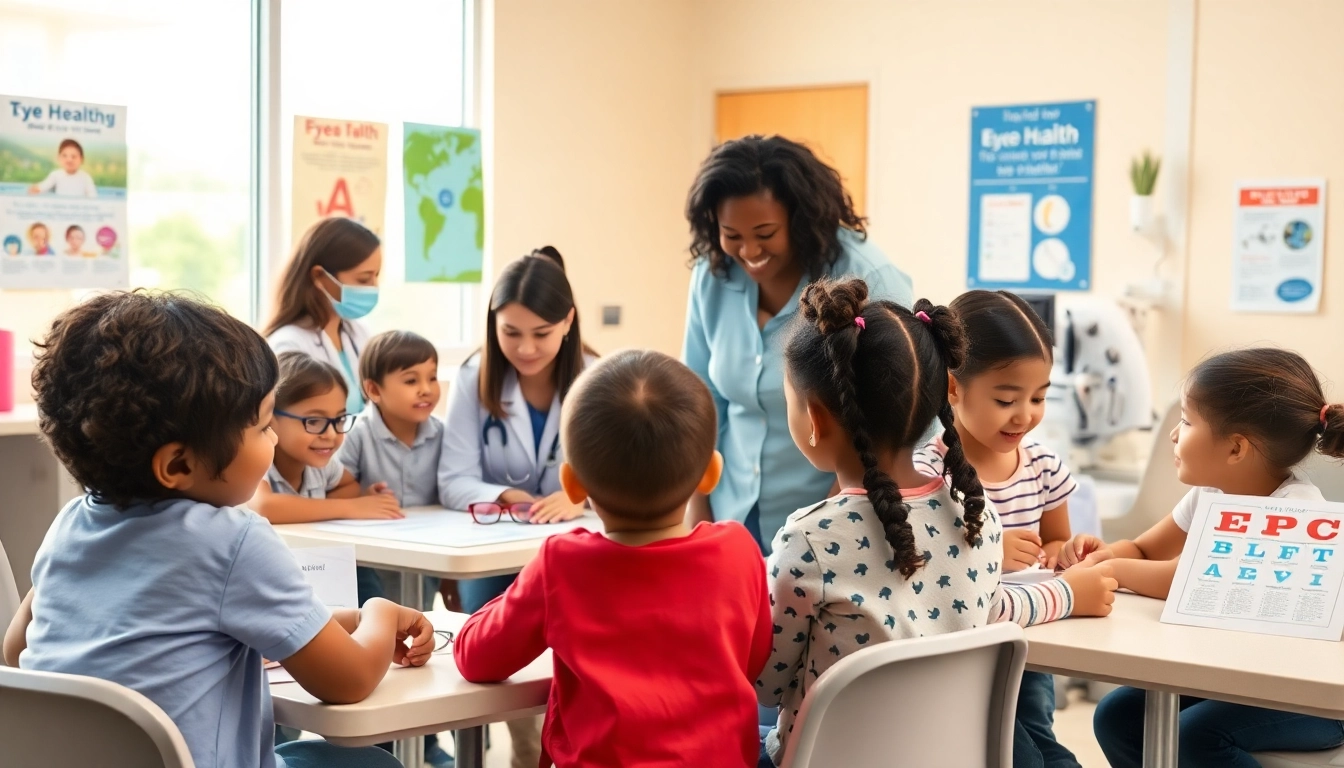
Understanding Our Children’s Vision and Its Importance
The journey towards ensuring that every child has the opportunity to achieve optimal eye health and vision begins with understanding the fundamental concepts surrounding Our Children’s Vision. This initiative is more than just a campaign; it represents a collective commitment to tackle the pervasive issues surrounding children’s eye health globally. By bringing together a myriad of stakeholders, including healthcare providers, educators, and policymakers, we can address one of the significant health challenges of our time.
What Is Our Children’s Vision?
At its core, Our Children’s Vision is a global movement aimed at promoting eye health initiatives specifically focused on children and adolescents. The initiative seeks to mobilize resources, raise awareness, and implement sustainable eye health strategies to combat the epidemic of uncorrected vision impairment that affects millions of children globally. With an underlying goal of providing accessible and effective eye care solutions, Our Children’s Vision serves as a blueprint for collaborative action and systemic change.
The Impact of Vision Problems on Children
Vision problems can significantly impede a child’s development, affecting their educational performance, social interactions, and overall quality of life. Research has shown that children with untreated vision issues may struggle academically, leading to a higher risk of dropping out of school. Additionally, the psychosocial implications cannot be overlooked; children with visual impairments may face challenges in building relationships and developing self-confidence.
Statistics indicate that a staggering number of children worldwide—roughly 19 million—suffer from visual impairment, of which about 1.4 million are blind. These conditions not only affect their academic achievements but also have a profound impact on their emotional well-being. Ensuring that children receive timely and adequate eye care is crucial, as it lays the groundwork for a healthier, more productive future.
Key Objectives of Our Children’s Vision
Our Children’s Vision was established with several core objectives in mind:
- Promote Access to Eye Care: Ensuring children have access to comprehensive eye examinations and vision screenings is paramount. This initiative emphasizes the importance of integrating eye health services into existing healthcare systems.
- Enhance Awareness and Education: There is a crucial need to increase awareness around children’s eye health among parents, educators, and healthcare providers. By creating educational programs, we can help detect vision issues early and ensure timely interventions.
- Collaborate with Stakeholders: Effective partnerships between governments, NGOs, schools, and healthcare providers are essential to develop and implement sustainable solutions to children’s eye health challenges.
Current Challenges in Children’s Eye Care
Lack of Access to Vision Screening
Access to early vision screening is a primary barrier in addressing children’s eye health issues. Many regions, particularly underserved and rural areas, lack the necessary infrastructure to provide regular eye examinations. Screening programs are often not integrated into schools or pediatric practices, leaving countless children without the essential care they need.
Moreover, in many parts of the world, a shortage of trained eye care professionals exacerbates this issue. Inadequate resources and funding lead to fewer eye care services being available, further limiting access for children who require assistance. Recognizing and tackling these barriers is crucial for facilitating equitable access to eye care services.
Awareness and Education Gaps
Awareness about the importance of eye health and routine vision screenings remains alarmingly low in many communities. Parents may underestimate the significance of regular eye exams, often assuming their children can see well enough for school and play. This misconception can have dire consequences, as unnoticed vision problems can lead to severe repercussions for a child’s education and social development.
Educators also play a vital role in recognizing early signs of vision problems. However, many teachers receive little to no training on vision health, which limits their ability to advocate for their students effectively. Bridging the educational gap for caregivers and educators is essential for fostering an environment where children’s vision health is prioritized.
Socioeconomic Factors Affecting Eye Health
Socioeconomic status significantly influences children’s access to eye care. Families with limited financial resources may struggle to afford the costs associated with eye examinations and corrective lenses. This economic barrier can result in many children living with uncorrected vision problems, ultimately impacting their education and quality of life.
Furthermore, systemic issues such as poverty, lack of educational pathways, and social stigma can exacerbate the problem, often trapping families in a cycle of insufficient eye care. Addressing these socioeconomic considerations is imperative for developing integrated and comprehensive solutions to the eye health crisis affecting our children.
Effective Strategies for Improved Eye Health
Partnerships with Schools and Communities
Creating strategic partnerships with educational institutions and local communities can significantly enhance children’s access to eye care services. Schools can serve as a central point for implementing vision screening programs, providing a proactive approach for early detection of eye problems.
Collaborative efforts can include training teachers to recognize signs of vision issues, establishing regular vision screening days, and providing materials and resources for parents that emphasize the importance of eye health. By embedding eye care messages within school communities, we can create a supportive framework that encourages proactive health-seeking behavior among families.
Creating Awareness Campaigns
Awareness campaigns are essential in educating communities about the significance of children’s eye health. These campaigns can take on various forms, from social media outreach to community events and workshops, all aimed at informing parents and caregivers about the importance of routine eye examinations and interventions.
Moreover, utilizing local influencers and community health workers can amplify these efforts, making eye health a community priority. Developing culturally appropriate materials in languages that resonate with the target audience can also enhance the effectiveness of these campaigns, ensuring that critical information reaches those who need it most.
Implementing Sustainable Eye Care Initiatives
Long-term solutions for children’s eye health must focus on sustainability. Implementing initiatives that incorporate ongoing training for healthcare professionals, creating reasonable funding mechanisms, and ensuring that eye care services remain available without interruption are critical for sustained impact. This can include integrating eye health into broader health care programs and ensuring eye care is a fundamental part of children’s health policies.
Additionally, leveraging technology to develop telehealth services can bridge gaps in access, allowing children in remote areas to receive quality care and consultations with specialists. By prioritizing sustainability, we can transform the landscape of children’s eye health and ensure that all children have the opportunity to see a brighter future.
How to Get Involved with Our Children’s Vision
Volunteering Opportunities
Getting involved with Our Children’s Vision can take many forms, from direct volunteer opportunities to participating in community outreach programs. Volunteers can contribute by assisting in organizing screening events, providing education to families, or supporting administrative tasks for local initiatives. Every effort makes a difference and can significantly impact children’s eye health in your community.
Fundraising and Support Mechanisms
Fundraising efforts are crucial to sustaining programs that provide essential eye care services. Individuals and organizations can organize charity events, crowdfunding campaigns, or simply spread the word about the importance of supporting children’s eye health initiatives. With adequate funding, programs can expand their reach, enhance their services, and ultimately bring vision care to more children in need.
Advocacy for Children’s Eye Health Policies
Advocating for policies that prioritize children’s eye health is a powerful way to contribute to systemic change. Engaging with local and national policymakers to highlight the need for improved eye health services and funding can lead to significant advancements in how children’s vision issues are addressed. Grassroots movements can raise awareness and promote legislative changes that pave the way for improved eye care access across communities.
Measuring the Impact of Our Children’s Vision Initiatives
Data Collection and Research
Utilizing data collection and research is essential for evaluating the impact of interventions by Our Children’s Vision. Gathering metrics on the number of children screened, the prevalence of vision issues identified, and follow-up care received provides insights into the effectiveness of programs. Establishing a comprehensive database can help inform future initiatives, shaping a model that can be replicated in diverse settings to address children’s eye health challenges globally.
Success Stories and Testimonials
Highlighting success stories and testimonials from families who have benefited from initiatives under Our Children’s Vision can serve to inspire others. These narratives not only foster a sense of community but also showcase the real-life impact that adequate eye care services can have on children’s lives. Sharing these experiences through various platforms can further raise awareness and encourage additional support for eye care initiatives.
Future Goals and Vision for Change
The future of children’s eye health relies heavily on ongoing commitment and renewed strategies. Setting clear goals, identifying priority areas for intervention, and continuously assessing program effectiveness is vital for ensuring the long-term success of Our Children’s Vision. A collective movement that unites healthcare professionals, educators, and families has the potential to redefine the landscape of eye care for children, marking a significant step towards a world where every child has the opportunity to enjoy optimal vision health and quality of life.