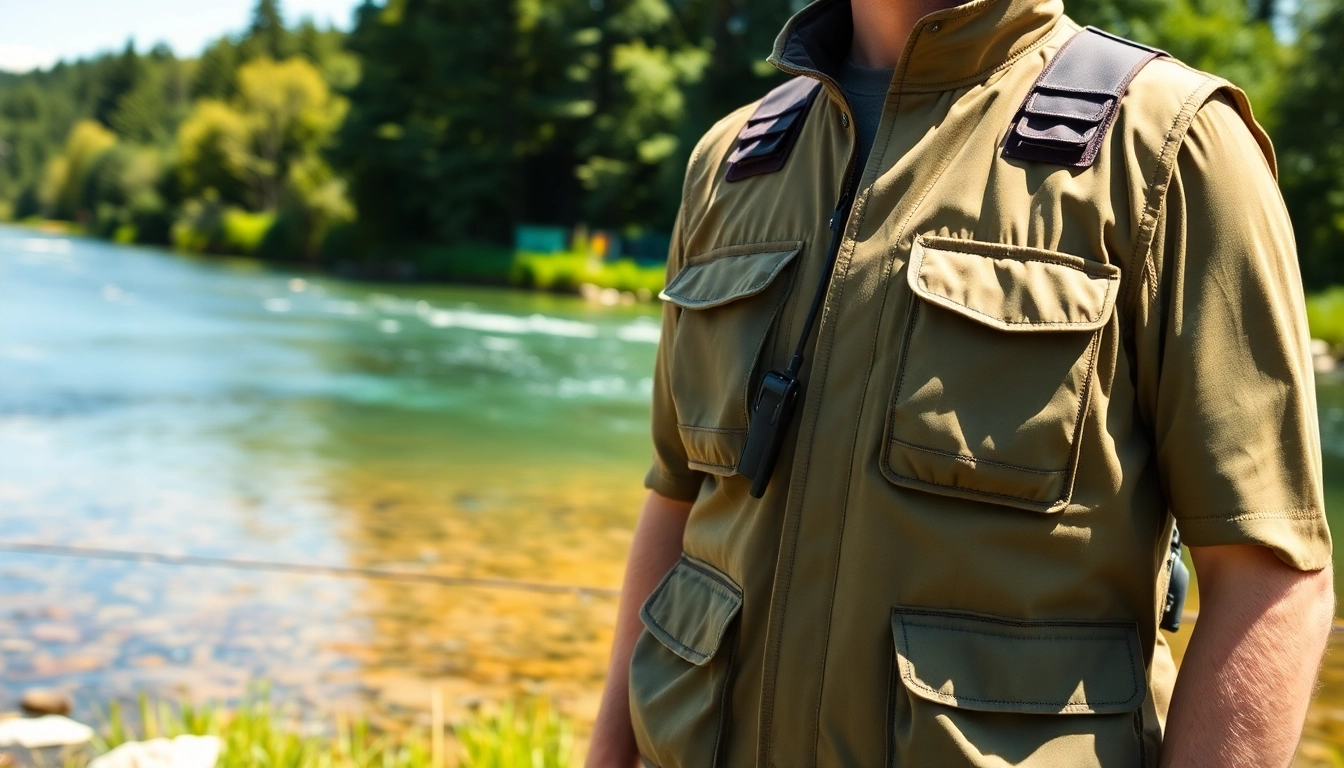
Understanding the Fly Fishing Vest
What is a Fly Fishing Vest?
A fly fishing vest is a specialized piece of fishing equipment designed to hold essential gear while anglers are on the water. Unlike traditional fishing tackle boxes, the fly fishing vest allows for easy access to tools, flies, and other accessories without the need to remove or dig through a backpack. The vest typically features numerous pockets, loops, and attachment points, offering an efficient and organized way to carry your equipment. This piece of outerwear is popular among fly fishermen due to its practicality and the level of comfort it provides during extended fishing sessions. If you’re considering enhancing your fishing experience, investing in a quality fly fishing vest can be a game-changer.
Key Features of a Fly Fishing Vest
A well-designed fly fishing vest should include features that enhance functionality while ensuring comfort. Key features often include:
- Multiple Pockets: Vests commonly have a variety of pocket sizes, allowing anglers to store everything from small flies to larger tools or snacks.
- Adjustable Straps: Many vests come with adjustable straps to ensure a customizable fit, conforming to different body shapes.
- Breathable Fabric: Since fishing often involves being outside for extended periods, breathability is essential to prevent overheating.
- Water-Resistant Materials: Vests made from water-repellent fabrics help keep the gear inside dry in case of splashes.
- Attachment Points: D-rings and attachment points let fishermen hang nets, tools, or even small tackle boxes for quick access.
Types of Fly Fishing Vests
There are various types of fly fishing vests available, each catering to specific needs and preferences. Some of the most common types are:
- Traditional Vests: These classic designs offer numerous pockets and are typically the most recognized style.
- Fishing Packs: These hybrid designs combine features of vests and backpacks for more storage capacity.
- Lightweight Vests: Ideal for warm-weather fishing, these vests are made with lighter fabric and fewer pockets.
- Chest Packs: Focused more on carrying essentials at the front, these packs are ideal for minimalists.
Benefits of Using a Fly Fishing Vest
Convenience and Accessibility
One significant benefit of using a fly fishing vest is the convenience it provides. With all your gear within arm's reach, you can quickly access your flies, tools, and accessories without having to uproot everything packed in a bag. This design enhances the overall fishing experience and allows you to focus on the activity rather than searching for items.
Weather Protection and Comfort
Many fly fishing vests are designed to offer a degree of weather protection, especially if made from water-resistant materials. This helps keep anglers dry during unexpected rain showers. Moreover, proper fit and breathable fabrics ensure comfort over long hours, reducing the chances of fatigue.
Enhancing Fishing Efficiency
Being organized is critical in fishing. A well-equipped fly fishing vest can play a vital role in increasing your efficiency on the water. With everything neatly arranged, you can switch flies or tools quickly, helping you maximize your time spent fishing and potentially increasing your catch rate.
Selecting the Perfect Fly Fishing Vest
Size and Fit Considerations
Choosing the right size and fit is crucial for comfort and functionality. Make sure to try on various sizes and styles, as different brands may fit differently. When the vest is properly sized, it should allow for a full range of motion without being too tight or too loose. Pay attention to the adjustability features, such as straps and buckles, to ensure a secure fit.
Material and Durability
The material used in a fly fishing vest can determine both its longevity and performance. Look for durable fabrics that can withstand the rigors of the outdoors while also being lightweight and water-resistant if possible. Often, a combination of nylon and polyester offers a good balance between durability and comfort.
Budget and Value for Money
Budgeting for a fly fishing vest should consider not only the upfront cost but also the quality and expected durability. While it may be tempting to choose the cheapest option, investing in a quality vest can lead to better features and longevity. Research various options within your budget to find a vest that offers the best value for your needs.
Maintaining Your Fly Fishing Vest
Cleaning and Care Tips
To prolong the life of your fly fishing vest, proper care and maintenance are essential. Always follow the manufacturer's washing instructions, typically involving gentle cycles and air drying. Periodically check for dirt and stains, cleaning them with mild soap and water to avoid fabric deterioration.
Storage Solutions
When not in use, proper storage helps keep your fly fishing vest in optimal condition. Store it in a cool, dry place away from direct sunlight. Ensure the vest is free of gear or tools and avoid compressing it in a way that might deform the structure.
Repairs and Upkeep
Check your vest regularly for wear and tear signs, such as frays or broken zippers. Small repairs can often be managed with simple sewing or patching techniques. For more severe damage, consider seeking a professional repair service to extend the life of the vest.
Common Questions About Fly Fishing Vests
What should I look for in a fly fishing vest?
Look for features like multiple pockets, adjustable fit, durable materials, and comfort for long wear while ensuring it meets your organizational needs.
Can I use a fly fishing vest for other activities?
Yes, a fly fishing vest can be versatile for activities like hiking, camping, or birdwatching due to its convenient storage options.
What is the average price of a quality fly fishing vest?
Quality fly fishing vests generally range from $50 to $200, with variation based on materials, features, and brand reputation.
Do I need to buy a size larger for my fly fishing vest?
Not necessarily. Focus on a proper fit with room for layering, and consider adjustability features to enhance comfort and flexibility while fishing.
How can I organize my gear in a fly fishing vest?
Organize your vest by categorizing items: keep flies in designated pockets, tools in easy-to-reach places, and snacks in larger compartments for accessibility.