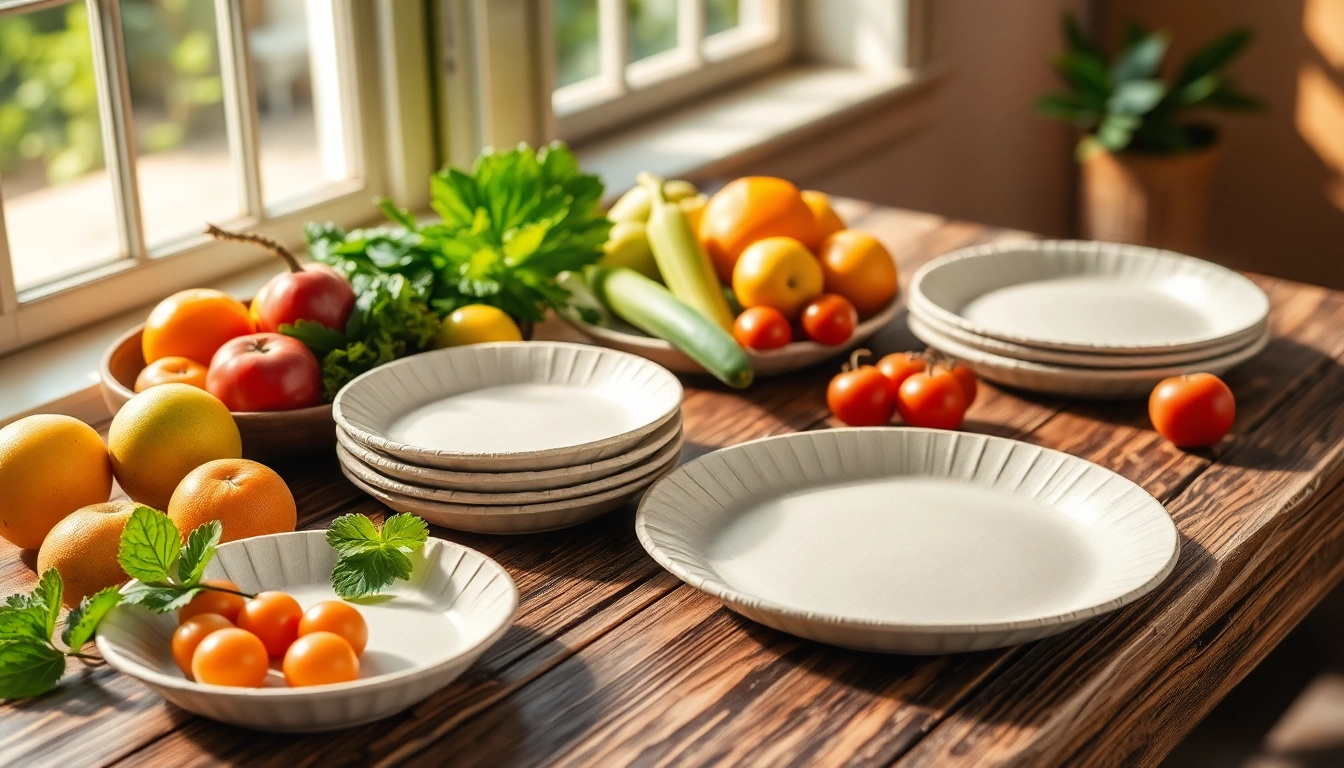
Understanding Compostable Paper Plates
What Are Compostable Paper Plates?
Compostable paper plates are disposable plates made from organic materials that break down naturally during the composting process. Unlike traditional disposable plates, which can take years to degrade and contribute to landfill waste, compostable paper plates are designed to be disposed of in a way that returns valuable nutrients to the soil. This composting process typically takes just 60 to 90 days under the right conditions, making these plates a smart and eco-friendly choice for environmentally-conscious consumers. They offer practical benefits without compromising on quality or functionality.
Materials Used in Compostable Paper Plates
The materials used to manufacture compostable paper plates vary, but most are derived from sustainable sources. Common materials include:
- Sugarcane Fiber: This material, also known as bagasse, is a byproduct of sugar extraction. It’s durable and has a natural resistance to liquids, making it an ideal choice for disposable plates.
- Bamboo: Bamboo plates offer an elegant, sturdy option that is also biodegradable. Being fast-growing and renewable, bamboo is a sustainable alternative that supports eco-friendly dining.
- Wheat Straw: Another unique material used in making compostable plates, wheat straw is a byproduct of wheat production. Its fibers are tough and ideal for holding up against wet foods.
- Paperboard: Certain plates are made from paperboard that is free from any toxic coatings, allowing it to break down efficiently in composting systems.
The choice of material impacts not only the environmental footprint but also the performance of the plates, with each option offering varying degrees of durability and resistance to moisture and heat.
Environmental Benefits of Compostable Paper Plates
Choosing compostable paper plates presents several environmental benefits:
- Reduced Landfill Waste: By composting these plates, consumers minimize the amount of waste directed toward landfills, thereby reducing methane emissions produced during the decomposition of traditional waste materials.
- Soil Enrichment: Composting not only eliminates waste but also enriches the soil with organic matter, enhancing soil health, promoting biodiversity, and aiding in moisture retention.
- Sustainable Resource Use: Many compostable plates are made from fast-growing, renewable materials, which reduces reliance on fossil fuels compared to petroleum-based plastic options.
- Lower Carbon Footprint: The production and composting of these plates typically result in lower greenhouse gas emissions, promoting a healthier planet.
How to Choose Quality Compostable Paper Plates
Key Features to Look For
When selecting compostable paper plates, there are key features to consider:
- Certification: Look for certifications such as the Biodegradable Products Institute (BPI) seal, which indicates that the product meets compostability standards. This provides assurance that the plates are indeed compostable.
- Material Quality: Ensure that the plates are made from high-quality organic materials, as they should be durable enough to hold food without soaking through.
- Size and Shape: Choose the appropriate size and shape for your needs. Compostable plates come in various sizes including dinner, dessert, and specialty shapes for different events.
- Heat and Oil Resistance: For serving hot and oily foods, choose plates specifically designed to support these conditions without losing their structural integrity.
Comparing Different Types of Compostable Options
Understanding the differences between various types of compostable paper plates can help consumers make informed decisions:
- Basic Paper Plates: These are typically lightweight and best for dry or lightweight foods.
- Sugarcane Plates: Known for their strength and moisture resistance, these can handle heavier applications like saucy or oily dishes.
- Bamboo Plates: Offer a classy look and high durability. They are suitable for both casual and formal occasions.
- Wheat Straw Plates: Similar in strength to sugarcane but with a unique texture. They are also eco-friendly and compostable.
Assessing Manufacturer Certifications and Standards
It is crucial to check the manufacturer's certifications when purchasing compostable paper plates. Companies that adhere to recognized standards demonstrate a commitment to environmentally friendly practices. The BPI, for instance, ensures that compliant products decompose within a specific timeframe in commercial composting facilities. Additionally, look for certifications that prove no harmful chemicals were used during production, ensuring safe disposal and environmental impact.
Using Compostable Paper Plates in Various Settings
Ideal Occasions for Compostable Paper Plates
Compostable paper plates are versatile and suitable for a wide array of events:
- Picnics and Barbecues: Ideal for outdoor gatherings where convenience meets sustainability, allowing easy clean-up.
- Weddings and Parties: Provide an elegant yet eco-conscious option for guests, enhancing the theme while caring for the environment.
- Corporate Events: Show commitment to sustainability during business events while providing an efficient dining solution.
- Food Deliveries: An excellent choice for restaurants and food trucks looking to minimize environmental impact while serving takeout.
Integrating Compostable Paper Plates into Events
To seamlessly integrate compostable paper plates into your events:
- Promote Sustainability: Communicate your commitment to sustainability to guests, which helps them understand the purpose behind using these plates.
- Provide Clear Waste Bins: Set up distinct bins for compostable materials to encourage proper disposal of the plates at the end of the event.
- Create a Balanced Menu: Include foods that align with the capabilities of the plates, ensuring they can handle the weight and moisture of the dishes served.
Practical Tips for Using Compostable Paper Plates
Maximizing the efficiency and functionality of compostable paper plates involves thoughtful planning:
- Test for Durability: If you plan to serve heavy or liquid-rich foods, trial-run plates to ensure they can handle the dishes without compromising integrity.
- Consider Heat Resistance: Check for specific mentions of heat resistance in the product when planning to serve hot foods.
- Educate Your Guests: Inform guests about the sustainable choice you’ve made and how they can contribute to successful composting.
Disposing of Compostable Paper Plates: Best Practices
Composting vs. Regular Trash Disposal
Understanding the difference between composting and regular trash disposal is crucial for effective waste management. While regular trash adds to landfill burdens, composting allows organic materials to break down naturally, metamorphosing into valuable soil nutrients. Composting is a sustainable practice that supports environmental health, and using compostable paper plates enhances your contribution to a circular economy.
How to Properly Dispose of Compostable Paper Plates
To ensure compostable paper plates are disposed of correctly, follow these steps:
- Check Local Guidelines: Composting regulations may vary regionally, so familiarize yourself with local composting rules.
- Sort Waste Properly: During events, clearly label composting bins and ensure that guests know where to dispose of their plates.
- Do Not Contaminate: Remind guests to refrain from placing non-compostable materials in composting bins, as contamination can disrupt the composting process.
Resources for Composting Services
Utilizing local composting services can make the disposal of compostable paper plates easier and more effective. Many municipalities offer commercial composting facilities. Research local options that provide pick-up services or designated drop-off locations for compostable goods. Additionally, various community programs may offer workshops and resources to assist individuals in implementing effective composting practices at home or in local institutions.
Frequently Asked Questions About Compostable Paper Plates
Are compostable paper plates really compostable?
Yes, most paper plates are compostable, provided they are made from 100% organic materials without plastic coatings. Always check packaging for specific composting information.
How do I know if a plate is compostable?
Look for labels or certifications, such as the BPI seal, indicating that the plates meet compostability standards and are safe for composting.
Can I use compostable paper plates for hot foods?
Yes, many compostable plates are designed to handle hot foods, but it's essential to confirm that the specific product is heat-resistant before use.
What are the differences between compostable and biodegradable?
Compostable materials break down into nutrient-rich compost under specific conditions, while biodegradable materials may not decompose thoroughly or quickly in landfills.
Can I find compostable paper plates in bulk?
Yes, many retailers offer compostable paper plates in bulk, making them ideal for large gatherings or businesses focused on sustainability.