Understanding the Importance of a Fly Fishing Backpack
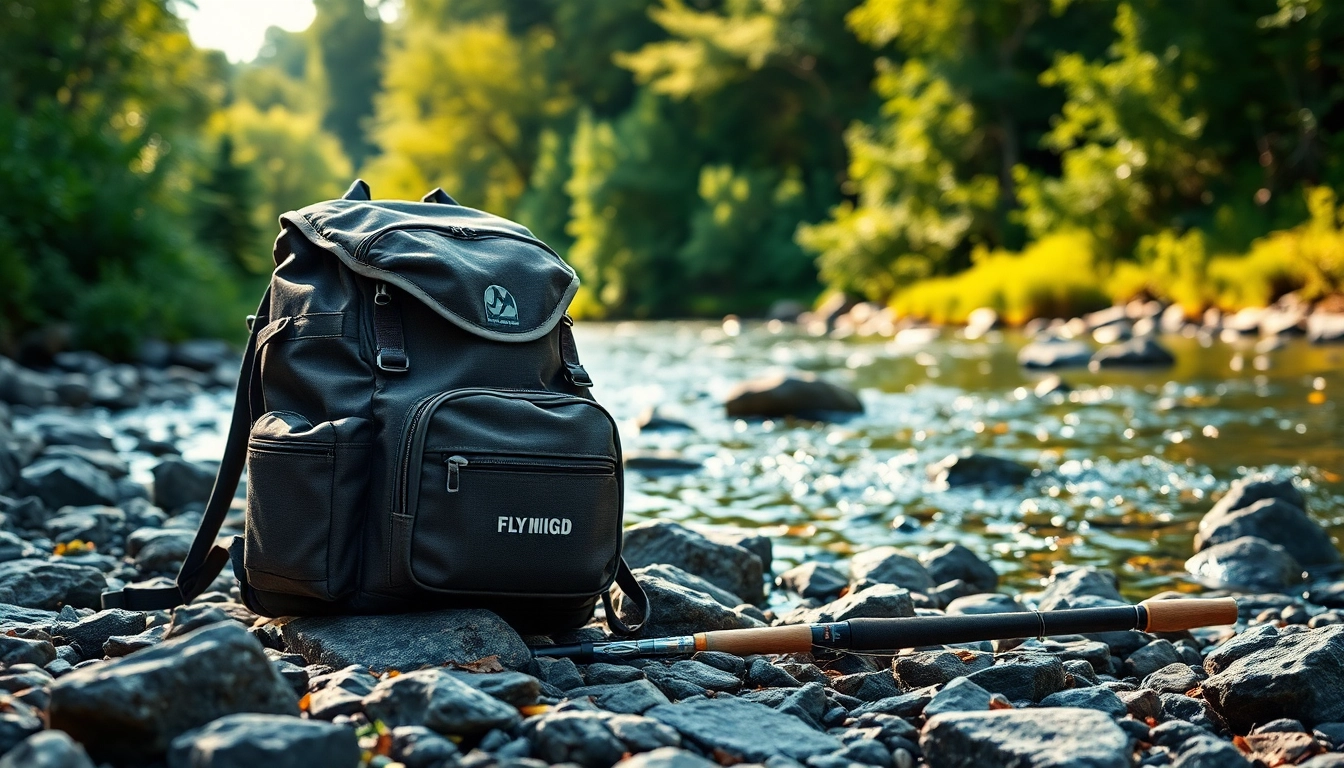
Fly fishing is not just a hobby; it’s a lifestyle that requires the right tools and equipment. Among these, the Fly fishing backpack stands out as an essential piece of gear. This article will delve into the reasons you should consider a fly fishing backpack, its critical features, and how it can transform your fishing experience.
Why Choose a Fly Fishing Backpack
When you’re out on the water, efficiency and organization are paramount. A well-designed fly fishing backpack enables anglers to carry essential gear, tackle, and personal items without feeling encumbered. Unlike traditional fishing bags or coolers, a backpack allows for easy mobility across diverse terrains, whether it’s rocky riverbanks or forest trails.
Moreover, with the unique demands of fly fishing—like carrying various lines, flies, tools, and personal items—it’s vital to have a pack that’s optimized for the task. A comprehensive backpack can provide features tailored to fly fishing, ensuring anglers have everything at their fingertips when they need it most.
Key Features of a Quality Backpack
Not all backpacks are created equal, and the difference is crucial when it comes to fly fishing. Here are some key features to look for:
- Waterproofing: Water-resistant materials or fully waterproof construction safeguard your gear against unexpected rain or splashes.
- Comfortable Straps: Padded shoulder straps and ergonomic designs reduce strain during long treks.
- Organizational Pockets: Multiple compartments and pockets allow for organized storage, making it easy to access different items.
- Tool Attachments: Dedicated spots for tools like pliers, nippers, and zingers keep them secure and readily accessible.
- Hydration Compatibility: Some backpacks come with compartments to fit hydration reservoirs, ensuring you stay hydrated.
How a Backpack Enhances Your Fishing Experience
The appropriate fly fishing backpack doesn’t just carry gear; it enhances the entire fishing experience. By allowing for easy access to tools and flies, it can speed up the time it takes to swap out equipment or bait. This feature can make the difference between landing that big catch or missing out because of delays in gear changes. Additionally, the ability to carry everything you need comfortably ensures that you can focus on the joys of fishing rather than on the discomfort of carrying equipment.
Types of Fly Fishing Backpacks Available
Day Packs: Ideal for Short Trips
Day packs are designed for those who spend a few hours on the water and need only the essentials. They typically hold enough gear for a short fishing excursion, including a limited supply of flies, a water bottle, snacks, and your personal items. These packs are lightweight and often designed to be carried for several hours, providing the perfect blend of efficiency and comfort.
Weekend Packs: More Gear, More Options
For weekend warriors, a full-sized fly fishing backpack is essential. These backpacks provide greater storage capacity, allowing anglers to pack for two to three days. Models often include compartments for clothing, extra flies, food supplies, and even tent or sleeping gear. A well-organized weekend pack simplifies packing and ensures you won’t be scrambling to find essentials midway through your trip.
Specialty Packs: Tailored to Unique Needs
Specialty backpacks cater to particular activities or environments, such as saltwater fishing, backcountry excursions, or fly fishing with specific equipment. These backpacks might feature unique designs or compartments to accommodate additional gear, like a rod holder for easy transportation and access. Understanding your unique fishing needs will help you select the right specialty pack.
Choosing the Right Fly Fishing Backpack
Assessing Your Fishing Style
Your fishing style significantly influences the type of backpack you should choose. Are you a minimalist angler who prefers to travel light, or do you often pack extra gear for extended outings? Knowing your fishing habits will help you select a backpack that aligns with your needs and enhances your experience.
Evaluating Size and Capacity
When considering size, think about the duration of your trips. If you're frequently on the water for several hours, a day pack might suffice. Conversely, if you often undertake longer fishing excursions, opt for a backpack with larger capacity. It's crucial to find a balance between too much room (which can lead to unnecessary weight) and not enough space (which can cause you to leave essential gear behind).
Importance of Comfort and Fit
Selecting a fly fishing backpack that fits well is mandatory. Look for adjustable straps and breathable materials, which improve comfort. A well-fitted backpack can prevent back strain and allow for better mobility as you move through diverse terrains. Testing the pack with weight and walking around will help you ensure it meets your needs.
Maintenance Tips for Your Fly Fishing Backpack
Cleansing Your Backpack After Use
Protect your investment by cleaning your backpack after each use. Rinse off dirt and saltwater to prevent wear and tear on the fabric. For more thorough cleaning, use mild soap and warm water, but avoid harsh detergents that could damage the materials. Dry it properly by air-drying in a well-ventilated space, avoiding direct sunlight.
Storage Techniques for Longevity
When storing your fly fishing backpack, ensure it's completely dry to prevent mildew. Store it in a cool, dry place, ideally in a breathable bag to avoid gathering dust. Avoid compressing the pack as this can damage its structural components over time.
Repairing Minor Damages
Accidents happen, so it’s useful to know how to patch minor damages. For fabric tears, specialized repair kits are available that can help you seal and mend small openings. If zippers get stuck, lubricating with a wax or soap can restore function without needing replacement.
FAQs About the Fly Fishing Backpack
What Features should I look for?
Look for waterproof material, ample storage, comfortable straps, and tool attachment points.
Are all fly fishing backpacks waterproof?
No, but many feature water-resistant materials or coatings to protect your gear.
How do I clean my fly fishing backpack?
Hand wash with mild soap and air dry to prevent damaging the material.
Can a fly fishing backpack fit a net?
Many backpacks come with dedicated net attachments for convenient storage.
What size backpack should I get?
Choose according to your trip duration; a small for day trips and larger for weekends.