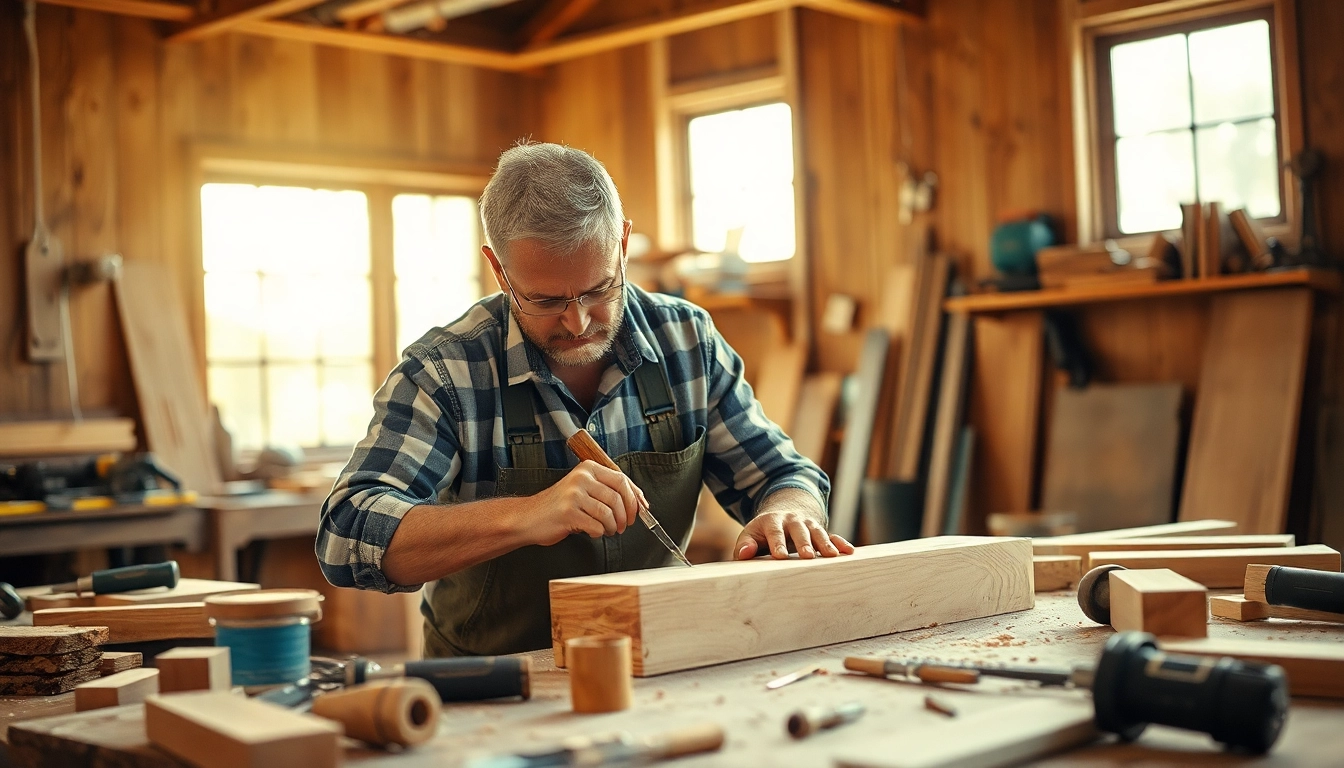
Understanding the Basics of Carpentry
Carpentry is a skilled trade that involves working with wood to create structures, furniture, and other items. It is both an art and a science that requires a unique blend of creativity, technical knowledge, and practical skills. With carpentry, a carpenter is responsible for measuring, cutting, and shaping wood to produce functional and aesthetically pleasing results. Whether it's building cabinets, framing a house, or creating intricate woodwork, carpentry holds a revered place in both residential and commercial construction.
Among the various trades associated with construction, carpenter stands out due to its versatility and the crucial role wood plays in everyday life. The craft has evolved over thousands of years from basic primitive techniques to a well-defined trade with specific skills and practices.
What is Carpentry?
At its core, carpentry involves the manipulation of wood for the construction of buildings, furniture, and various other items. Carpenters are skilled artisans who use various techniques to craft, assemble, and repair wooden structures. The scope of carpentry can be broadly classified into two categories: rough carpentry, which focuses on structural work like framing, and finish carpentry, which involves detailed work such as trim, cabinetry, and decorative elements.
Understanding the distinction between these categories is essential for aspiring carpenters, as they dictate the types of projects you might work on. Rough carpentry typically requires heavy-duty tools and a comprehensive understanding of structural integrity, while finish carpentry demands a keen eye for detail and precision.
Essential Tools for a Carpenter
Every carpenter needs a well-equipped toolbox to perform their duties efficiently. Here are some essential tools:
- Measuring Tools: Tape measures, squares, and levels are crucial for accurate measurements, ensuring every cut and joint fits perfectly.
- Cutting Tools: Handsaws, circular saws, and jigsaws are used for various cutting tasks. Each offers unique benefits depending on the project.
- Shaping Tools: Planers and chisels allow for shaping and smoothing the wood, essential in finish carpentry.
- Power Tools: Drills, routers, and nail guns enhance efficiency and precision in carpentry tasks.
- Safety Gear: Safety glasses, gloves, and ear protection are necessary to ensure the carpenter's wellbeing on the job.
Types of Wood Used in Carpentry
The type of wood selected for a project can greatly affect the outcome. Here are some common types used in carpentry:
- Softwoods: Generally more affordable and easier to work with, softwoods like pine and cedar are often used in structural framing and outdoor projects.
- Hardwoods: These woods, such as oak and maple, are denser and more durable, making them favorable for furniture and cabinetry.
- Plywood: Made from thin layers of wood glued together, plywood is versatile and used for everything from flooring to furniture.
- Composite Materials: Engineered woods like MDF and particle board are popular for furniture making and cabinetry due to their affordability and ease of use.
Skills Every Carpenter Should Have
Measuring and Marking Techniques
One of the most essential skills for a carpenter is the ability to measure accurately. Utilizing tools like tape measures and carpenter squares, carpenters must be able to compute dimensions with precision. Proper marking techniques are equally critical; using pencils, chalk lines, or marking gauges helps ensure cuts reflect the true measurements on the wood. Understanding how to account for the thickness of tools like saw blades is also crucial in this process.
Cutting and Shaping Wood
After measuring and marking, cutting and shaping the wood is next. Mastery of various saws (like miter or table saws) is essential, as each type serves different purposes based on the project. Shaping the wood using chisels, routers, or sanders requires practice, allowing craftsmen to create clean lines and smooth surfaces that will enhance the final product's aesthetic appeal.
Finishing Techniques for Beautiful Projects
The finishing stage is where a project truly comes to life. Techniques such as staining, painting, or applying varnish can either enhance the wood's natural beauty or completely alter its appearance. Understanding the interaction between different finishes and wood types is crucial for achieving the desired result. Additionally, techniques like sanding and sealing protect the wood from wear and damage, increasing longevity.
Best Practices in Carpentry
Safety Measures for Carpenters
Safety should always be a top priority for any carpenter. This begins with wearing appropriate safety gear, managing tools responsibly, and maintaining a clean workspace to prevent accidents. It's essential to understand the operating procedures for all power tools and to follow best practices while working with wood to minimize injury risks.
Efficient Workflow in the Workshop
Establishing an efficient workflow is critical for maximizing productivity in carpentry. Organizing tools and materials in a logical manner, reducing unnecessary movement, and planning the project stages in advance can significantly enhance efficiency. This structured approach not only saves time but also leads to better quality work and more satisfied clients.
Choosing the Right Materials
The success of a carpentry project heavily relies on material selection. Factors including durability, cost, and the intended use of the finished product must be considered when choosing materials. High-quality wood and associated materials often yield better results and greater customer satisfaction in carpentry work.
Advanced Carpentry Techniques
Joinery Methods Explained
Joinery is fundamental to carpentry, referring to the methods used to connect two pieces of wood. Common techniques include butt joints, dovetail joints, and mortise-and-tenon joints. Each offers different benefits in terms of strength and aesthetics. Mastering these techniques allows carpenters to create durable, high-quality pieces that can stand the test of time.
Crafting Custom Furniture
Creating custom furniture is one of the most rewarding aspects of carpentry. It allows a carpenter to apply their creativity and skills in designing unique pieces tailored to the client's needs. This process involves not only woodworking skills but also an understanding of design principles, material choices, and finishes to create functional and beautiful pieces.
Incorporating Technology in Carpentry
Modern carpentry increasingly integrates technology, such as computer-aided design (CAD) software, which allows for precision planning and visualization before cutting any wood. Additionally, advancements in tools such as laser cutters and digital measuring devices help ensure accuracy and streamline the building process. Carpenters who embrace these technologies often enhance their productivity and output quality.
FAQs About Being a Carpenter
How long does it take to become a skilled carpenter?
Becoming a skilled carpenter typically takes 3-4 years of apprenticeship, combining hands-on training with classroom instruction. Mastery of the trade may take additional experience.
What are common mistakes new carpenters make?
New carpenters often struggle with measurement errors, inadequate planning, and not using proper tools. Attention to detail and thorough planning can mitigate these issues.
Are there certifications for carpentry?
Yes, various certifications exist, which can enhance a carpenter's credentials and demonstrate proficiency in specific skills, types of woodwork, or safety standards.
What types of projects can a carpenter work on?
Carpenters can work on diverse projects, including residential and commercial buildings, cabinetry, furniture, and custom home features, depending on their skills and focus.
Is carpentry a good career choice?
Carpentry is often regarded as a rewarding career due to its demand. Skilled carpenters usually enjoy stable job prospects and the satisfaction of creating tangible results.