Understanding Wellness Retreat
What Defines a Wellness Retreat?
A wellness retreat is more than just a vacation; it’s an immersive experience designed to enhance one's physical, mental, and emotional well-being. These retreats typically take place in serene environments, such as mountains, beaches, or tranquil countryside, and often incorporate aspects of mindfulness, relaxation, holistic health practices, and personal growth. Unlike traditional holidays that may focus on leisure and entertainment, wellness retreats prioritize rejuvenation, reflection, and connection—both inwardly and with others.
Importance of Mind-Body Balance
The concept of mind-body balance is central to the philosophy of wellness retreats. The connection between mental and physical health is well-documented; stress can manifest physically, leading to ailments such as headaches, fatigue, and more serious conditions. Wellness retreats provide a space to cultivate this balance through activities like yoga, meditation, and healthy eating, empowering participants to restore equilibrium in their lives. By addressing both the mind and body, these retreats foster holistic health, encouraging overall well-being.
Common Components of Wellness Retreat
Most wellness retreats share a common framework, often including:
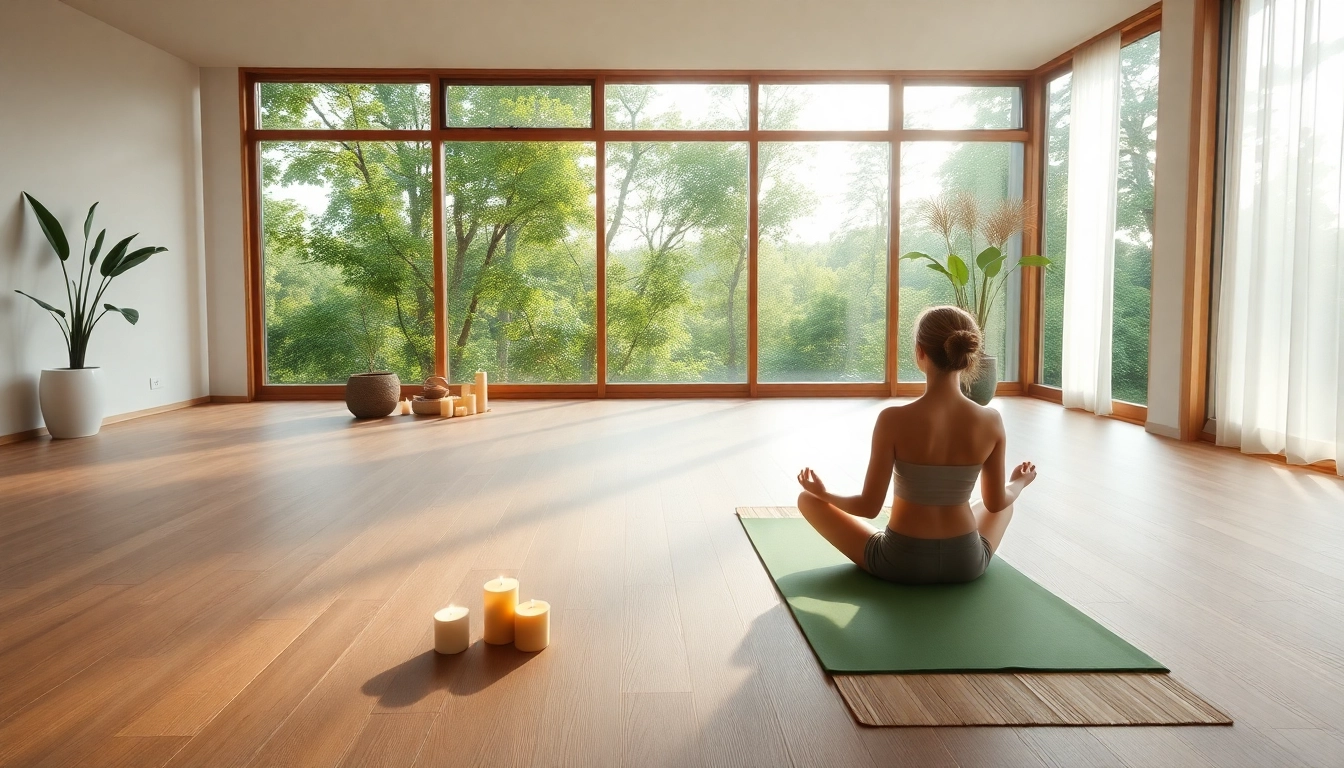
- Mindfulness Practices: Activities like meditation and yoga to foster presence and relaxation.
- Healthy Meals: Nutritious and wholesome food emphasizing local and organic ingredients.
- Outdoor Activities: Hikes, nature walks, or beach sessions that integrate physical exercise and exposure to nature.
- Workshops: Sessions on various topics such as stress management, nutrition, and personal development.
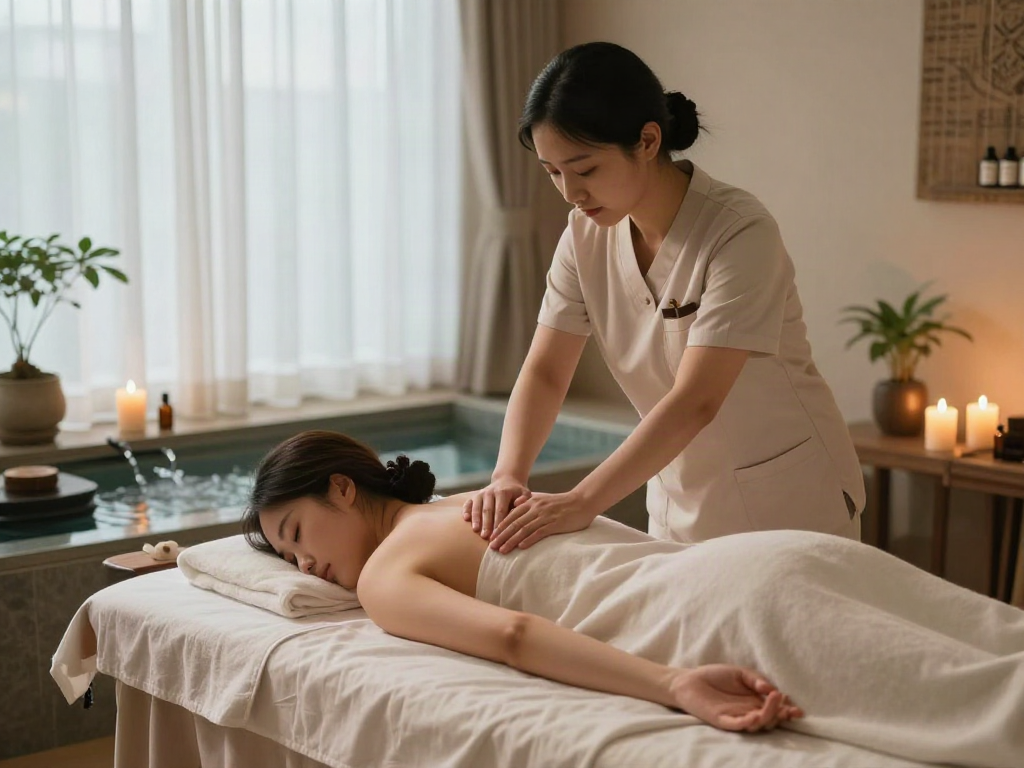
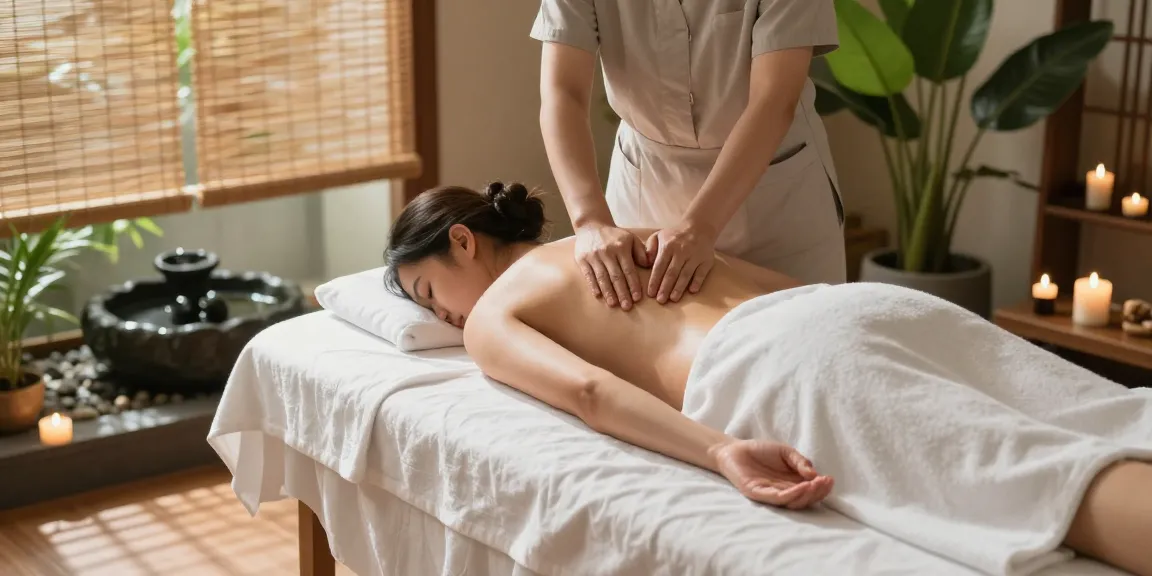
- Individual or Group Sessions: Opportunities for personalized treatments like massage or therapeutic counseling.
Benefits of Attending a Wellness Retreat
Physical Health Improvements
Wellness retreats often emphasize physical activities designed to promote health and vitality. Attendees may engage in yoga, hiking, or guided fitness classes that improve cardiovascular health, flexibility, and strength. Moreover, the nutritious meals offered can lead to improved energy levels and even weight loss. Research suggests that immersive wellness experiences can lower blood pressure and enhance overall health.
Mental Clarity and Stress Reduction
One of the most significant advantages of participating in a wellness retreat is the opportunity to unwind and de-stress. The structured environment aids in reducing anxiety and offers tools for managing stress in daily life. Mindfulness practices such as meditation and yoga not only enhance mental clarity but also promote emotional resilience, equipping individuals to face challenges post-retreat.
Enhanced Social Connections
Another notable benefit is the social aspect of wellness retreats. Attendees often forge deep connections with like-minded individuals, sharing experiences and support. The group setting encourages camaraderie and fosters a sense of community, which can be particularly enriching for those who feel isolated in their daily lives. These connections often extend beyond the retreat itself, providing a network of support.
Choosing the Right Wellness Retreat
Location Considerations and Atmosphere
When selecting a wellness retreat, the location is pivotal. Consider whether you prefer a mountain backdrop, beachside serenity, or a tranquil forest setting. Each environment carries its own energy and potential for relaxation. The atmosphere of the retreat center itself also plays a significant role; a calm, inviting space can enhance the overall experience.
Types of Programs Offered
Different wellness retreats cater to different needs and preferences. Some focus on yoga and meditation, while others might prioritize detoxification or fitness training. It's essential to evaluate the specific programs available and how well they align with your personal wellness goals. Reading reviews and testimonials can provide insight into the effectiveness of the programs offered.
Evaluating Facilities and Amenities
The facilities available at a wellness retreat can dramatically influence your experience. Look for amenities that enhance comfort, such as private or semi-private accommodations, nutritious dining options, gyms, and relaxation areas like spas or jacuzzis. A well-equipped retreat should provide a balance of communal spaces and privacy, allowing for both connection and solitude.
Preparing for Your Wellness Retreat
Packing Essentials for a Successful Retreat
Preparation for a wellness retreat involves careful packing to ensure a comfortable and fulfilling experience. Essentials include:
- Comfortable Clothing: Yoga attire, hiking shoes, and lounge wear.
- Personal Care Items: Toiletries, sunscreen, and any required medications.
- Mindfulness Tools: A journal for reflection or a book on personal development.
Mental Preparation and Mindset
Entering a wellness retreat with an open and prepared mindset is crucial. Consider your intentions and what you hope to achieve. Releasing preconceived notions and embracing the journey with curiosity can amplify your overall experience, allowing you to fully engage with the practices and transformations available throughout the retreat.
Setting Personal Goals for the Retreat
Before embarking on the retreat, take time to set personal goals. Reflect on areas in your life where you seek improvement—be it stress management, physical fitness, or emotional healing. Having clear objectives helps focus your experience and provides a benchmark to gauge the effectiveness of the retreat post-completion.
Post-Retreat Strategies for Long-Lasting Benefits
Integrating New Practices into Daily Life
The true value of a wellness retreat lies in your ability to carry the lessons learned into daily living. Start with small changes, such as incorporating daily mindfulness or a short yoga session each morning. Building on these practices gradually can help instill a sense of routine that promotes long-term well-being.
Maintaining Connections with Fellow Participants
Post-retreat, it can be beneficial to maintain connections with individuals met during the experience. Organize periodic meet-ups or set up a group chat to share progress and encourage each other. Having a community can increase accountability in maintaining the lifestyle changes initiated during the retreat.
Creating a Sustainable Wellness Routine
A sustainable wellness routine involves integrating various health-promoting practices into everyday life. Consider elements such as exercise, nutritious eating, mindfulness, and sleep hygiene. Regular evaluations of your routine provide opportunities for adjustment and growth, ensuring that wellness remains a priority.
Frequently Asked Questions
What should I expect during a wellness retreat?
You can expect a structured schedule of activities focused on relaxation, physical health, and personal growth, often including yoga, nutrition workshops, and nature activities.
Are wellness retreats suitable for beginners?
Absolutely! Wellness retreats cater to all levels, and many programs are designed to accommodate beginners. Always inquire ahead about the level of each activity.
How do I choose the right retreat for me?
Consider your wellness goals, preferred location, type of activities offered, and the facility’s amenities when selecting a retreat that best aligns with your needs.
What should I bring to a wellness retreat?
Packing essentials such as comfortable clothing, personal care items, any necessary medications, and tools for mindfulness (like a journal) can enhance your retreat experience.
Can I stay connected to the outside world during the retreat?
Most retreats encourage digital detox, but policies vary. Check ahead if staying connected via phone or internet is important to you.