
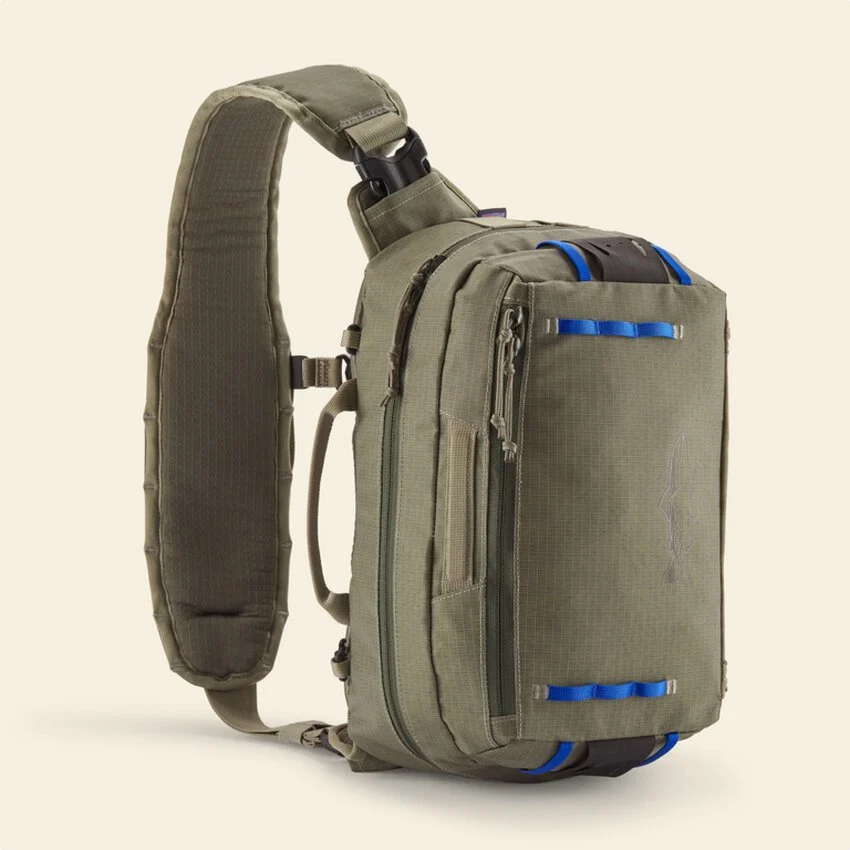
When it comes to fly fishing, having the right gear can make all the difference. One essential piece of equipment that every angler should prioritize is a quality fly fishing bag. Whether you are a seasoned fly fisherman or just starting, choosing the right bag can enhance your experience on the water. This ultimate guide will walk you through everything you need to know to select the perfect fly fishing bag for your adventures.
Why a Fly Fishing Bag is Essential
A fly fishing bag is more than just a storage accessory; it’s an organizational tool that keeps your gear safe, accessible, and dry. Fly fishing requires carrying a variety of items, including flies, tippet, leaders, tools, and sometimes even snacks and water. A well-designed fly fishing bag ensures that all these essentials are neatly organized and within easy reach. With the right bag, you can spend more time fishing and less time searching for gear.
Types of Fly Fishing Bags
Fly fishing bags come in different styles, each suited for specific fishing needs:
1. Sling Bags
Sling-style fly fishing bags are compact and easy to carry. They rest comfortably on your shoulder and provide quick access to your gear. These bags are ideal for short trips or wading in shallow rivers where mobility is key.
2. Backpack Bags
Backpack fly fishing bags are perfect for anglers who carry a larger load. They distribute weight evenly across your back, making it easier to walk long distances or navigate rugged terrain. These bags often have multiple compartments to store various types of gear.
3. Chest Packs
Chest packs are worn on the front of your body, keeping your most-used items right at your fingertips. A fly fishing bag in chest pack style is excellent for fast action fishing and situations where you need to quickly change flies or access tools.
4. Vest-Style Bags
Some anglers prefer vest-style fly fishing bags, which combine storage with utility. Vests provide numerous pockets for fly boxes, tools, and other small gear. They are particularly useful when wading deep waters or fishing in challenging environments.
Key Features to Look For
When selecting a fly fishing bag, there are several features that can significantly impact your fishing experience:
- Durability: Look for materials that are water-resistant or waterproof to protect your gear from unexpected rain or splashes.
- Comfort: Padded straps and ergonomic designs make a big difference when carrying your fly fishing bag for long periods.
- Capacity: Consider how much gear you typically carry. A larger bag may be necessary for multi-day trips, while a smaller one is ideal for casual outings.
- Organization: Multiple compartments and pockets help keep flies, tools, and other essentials organized and easily accessible.
- Accessibility: Quick-access compartments and external pockets make retrieving gear effortless, so you can focus on fishing rather than rummaging through your bag.
Materials Matter
The material of a fly fishing bag plays a crucial role in its longevity and performance. Nylon and polyester are common choices due to their durability and water resistance. Some high-end bags also feature waterproof coatings or liners to ensure your gear stays dry in wet conditions. When choosing your bag, consider the environments you will be fishing in and select a material that can withstand those conditions.
How to Choose the Right Size
Size is another critical factor when buying a fly fishing bag. A bag that is too small may not accommodate all your gear, while an oversized bag can be cumbersome and heavy. Think about the type of fishing trips you usually take. For short day trips, a compact bag is sufficient. For longer excursions, a larger bag with multiple compartments will better suit your needs. Ensure your bag strikes a balance between storage capacity and comfort.
Tips for Maintaining Your Fly Fishing Bag
Proper care can extend the life of your fly fishing bag:
- Clean Regularly: Rinse off dirt and debris after each trip to prevent material wear.
- Dry Thoroughly: Always allow your bag to air dry completely before storing to avoid mold and mildew.
- Inspect Frequently: Check for worn straps, broken zippers, or damaged compartments and repair them promptly.
- Organize Gear: Keep your gear sorted and avoid overstuffing your bag, which can cause strain on seams and zippers.
Final Thoughts
Investing in a high-quality fly fishing bag is essential for any angler who values organization, accessibility, and durability. Whether you choose a sling bag, backpack, chest pack, or vest-style bag, consider your fishing style, the size of your gear collection, and the environments you frequent. A well-chosen bag not only protects your equipment but also enhances your overall fishing experience. Remember, a fly fishing bag is an investment in convenience, comfort, and efficiency, making every fishing trip more enjoyable and productive. With the right bag, you can focus on casting and catching, confident that your gear is organized and secure.