Understanding the Art and Science of Mudjacking
As homeowners and property managers seek effective solutions for concrete settlement and stabilization, Mudjacking emerges as a time-tested method with significant advantages over traditional replacement. This comprehensive article explores the ins and outs of Mudjacking, its methodology, benefits, and ideal applications, equipping readers with the knowledge to make informed decisions about their concrete repair needs.
What is Mudjacking?
Definition and Overview
Mudjacking, also known as slab jacking or mud jacking, is a concrete repair technique used to lift and stabilize sunken or uneven concrete slabs. The process involves injecting a specially formulated mixture—commonly made of sand, soil, cement, and other materials—underneath the concrete slab to raise it back to its original level. This method addresses various issues, including concrete settling due to soil erosion, compaction, or a combination of environmental factors.
Historical Background
The origins of Mudjacking date back several decades, evolving from the need to address the prevalent issue of settling and lifting concrete surfaces in residential and industrial settings. Early techniques involved simple pumping of mud mixtures, but as the construction industry advanced, so did the methods and formulations used in Mudjacking. Today, Mudjacking incorporates modern equipment and specialized materials, allowing for precise and effective repairs with minimal disruption to the surrounding environment.
Common Applications of Mudjacking
Mudjacking is suitable for a wide array of applications, making it a versatile solution for concrete repair. Common uses include:
- Residential driveways and sidewalks
- Commercial floors and parking lots
- Patios and pool decks
- Industrial site floors
- Concrete steps and porches
Its adaptability makes Mudjacking an attractive option for both residential and commercial properties facing issues with uneven concrete surfaces.
How Mudjacking Works
Step-by-Step Process
The Mudjacking process typically follows a straightforward series of steps:
- Assessment: A professional assesses the area to determine the severity of the concrete settlement and the extent of necessary repairs.
- Patching: If there are any cracks in the concrete slab, they are repaired prior to the lifting process to address potential weak points.
- Drilling Holes: Small holes are drilled into the slab, usually between ¾ inch and 1 inch in diameter. These openings provide access for the injection of the mud mixture.
- Injecting Mixture: A specialized pump injects the mud mixture under the slab through the drilled holes. As the mixture expands, it lifts the concrete slab back to its original position.
- Sealing Holes: After the lifting process is complete, the holes are filled with a suitable sealant to prevent water infiltration and maintain aesthetics.
- Final Inspection: The area is inspected to ensure successful lifting and stabilization.
Materials Used in Mudjacking
The effectiveness of Mudjacking hinges on the materials used in the mud mixture. Common ingredients include:
- Sand: Serves as a primary component that provides stability and structure.
- Cement: Binds the mixture together, giving it strength once cured.
- Soil: Can be included to improve the mixture's flow and adaptability.
- Water: Necessary for mixing, it helps create a workable consistency that allows for easy injection.
- Admixtures: Special additives can enhance properties like expansion, setting times, and resistance to environmental factors.
Equipment and Tools Involved
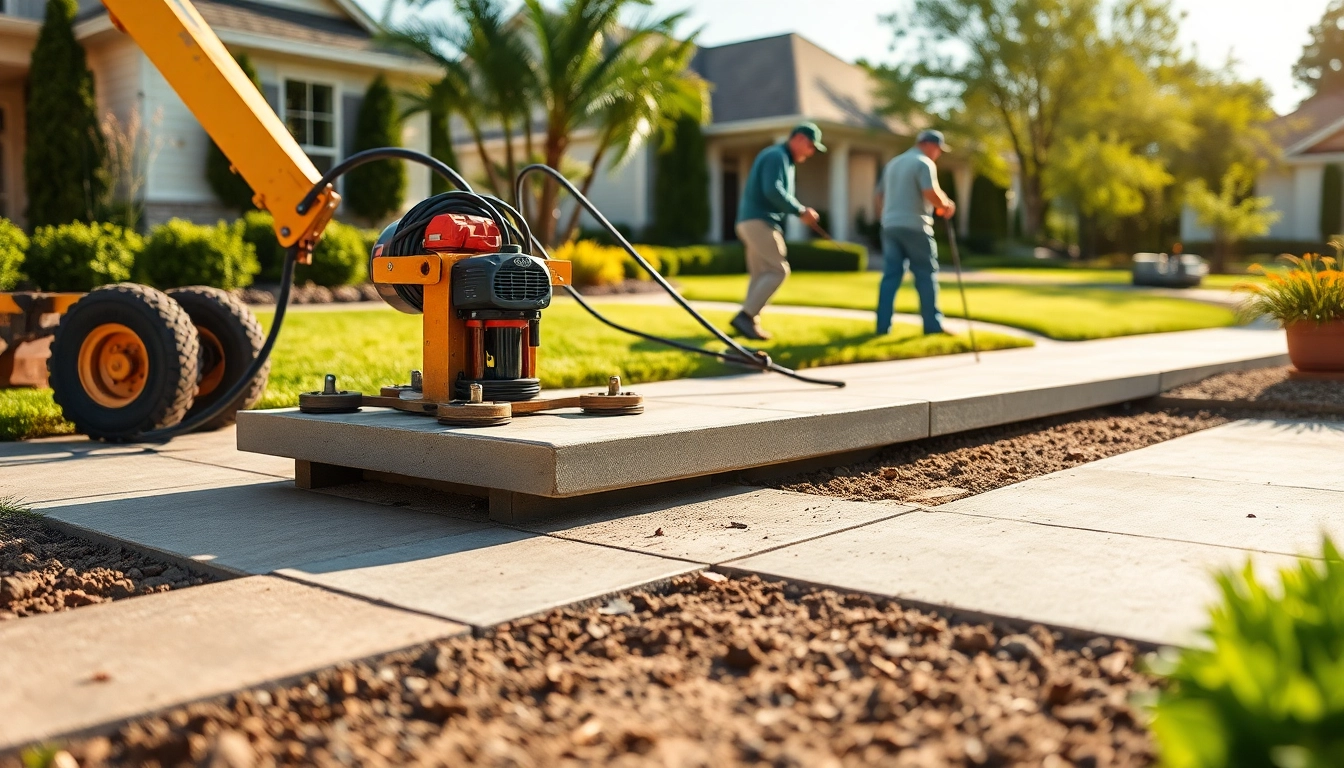
The execution of a Mudjacking job requires specialized equipment and tools, including:
- Pumps: High-pressure pumps are used to inject the mud mixture under the slab.
- Drills: These are required to create the holes in the concrete slab for injection.
- Mixer: A mixer may be used to blend the materials into a uniform composition.
- Leveling Instruments: Tools such as laser levels or string levels are used to ensure the slab is properly aligned during the lifting process.
Benefits of Choosing Mudjacking
Cost-Effectiveness Compared to Replacement
One of the most appealing aspects of Mudjacking is its cost-effectiveness. Compared to the expense and disruption associated with tearing out and replacing an entire concrete slab, Mudjacking often presents a more economical alternative. This method not only saves money on new materials, but it also reduces labor costs and minimizes the time spent on repair. Homeowners can typically expect to pay a fraction of the cost of slab replacement, making it a financially viable option.
Time Efficiency of Mudjacking
Time is often of the essence in consumer decisions related to concrete repair. Mudjacking can often be completed in a matter of hours instead of days, depending on the extent of the repairs needed. Once the injecting is completed, the surface can often be walked on or even driven on after a short curing period, allowing property owners to swiftly return to their normal routines without prolonged disruption.
Environmental Considerations
Mudjacking is not only cost-effective but also an environmentally friendly solution. The process typically uses less material overall when compared to complete concrete removal and replacement, minimizing waste. Additionally, many mud mixtures can be formulated using locally sourced materials, further reducing environmental impact. By opting for Mudjacking, property owners can fulfill their repair needs while also demonstrating a commitment to sustainability.
Identifying When to Use Mudjacking
Signs of Concrete Settlement
Recognizing the signs of concrete settlement early is crucial to prevent further damage. Indicators that may suggest the need for Mudjacking include:
- Visible cracks in the concrete surface
- Uneven slabs that lead to tripping hazards
- Water pooling in certain areas due to grading issues
- Gaps appearing where the slab meets the foundation or other structures
Being vigilant about these signs allows property owners to address potential issues before they escalate, making Mudjacking a timely solution.
Assessing Damage Levels
Before proceeding with Mudjacking, it is essential to evaluate the level of damage present in the concrete. Minor settling issues may be resolved effectively with Mudjacking, but extreme erosion or structural failures may require additional mitigation measures. A thorough assessment by a professional can guide homeowners in understanding the extent of repairs needed and the suitability of Mudjacking for their situation.
Common Misconceptions About Mudjacking
Several misconceptions surround Mudjacking that can lead to hesitation among property owners. These include:
- Temporary Fix: Many people believe Mudjacking is only a temporary solution. While the longevity of the repair depends on various factors, properly executed Mudjacking can last many years when the underlying causes of settling are addressed.
- Unattractive Finish: Some think that Mudjacked areas will look patchy or unprofessional. With proper techniques and sealing, the surface can match the original slab appearance.
- Limited Effectiveness: Many assume that Mudjacking only works for minor issues. In reality, it is a versatile method suitable for a range of problems—including significant settlement—when done by professionals.
Dispel these myths by educating yourself and consulting experienced contractors who can provide clear insights based on their expertise.
Maintenance and Longevity of Mudjacked Surfaces
Care Tips Post-Repair
After Mudjacking, maintaining the concrete surfaces is essential for ensuring their longevity. Here are some care tips:
- Avoid heavy traffic on the repaired area for the first 24-48 hours to allow proper curing.
- Regularly check for new cracks or settling to address issues promptly.
- Ensure proper drainage around the area to minimize water-related problems.
- Avoid using harsh chemicals for cleaning, as they may deteriorate the sealant.
Expected Lifespan of Mudjacked Areas
The lifespan of Mudjacked surfaces can vary widely based on several factors, including:
- Quality of materials and mix used during the Mudjacking process;
- Environmental conditions post-repair;
- Regular maintenance and upkeep.
On average, properly executed Mudjacking can last anywhere from 5 to 10 years, with some projects lasting even longer with diligent maintenance.
When to Consider Reassessment
Periodic reassessment of Mudjacked areas is vital for ensuring ongoing stability. Homeowners should consider reassessing every few years or after experiencing significant weather events that could impact the integrity of the repaired surfaces. Signs that warrant immediate reassessment include:
- New cracks appearing in the previously repaired areas
- Notable settling or new tripping hazards
- Changes in drainage patterns affecting the area
Early detection of any new issues allows homeowners to take proactive measures, ensuring the long-term viability of their concrete surfaces.
Conclusion
In conclusion, Mudjacking serves as an excellent solution for addressing uneven, sunken concrete surfaces. As a cost-effective, time-efficient, and environmentally-friendly method, it offers significant benefits that make it an attractive option for many property owners. By understanding the comprehensive process of Mudjacking, recognizing the signs of settling, and committing to maintenance, you can extend the life of your concrete and maintain the aesthetic and functional integrity of your space. Always consult with professionals to assess your specific situation and ensure that Mudjacking is the right choice for your concrete repair needs.