
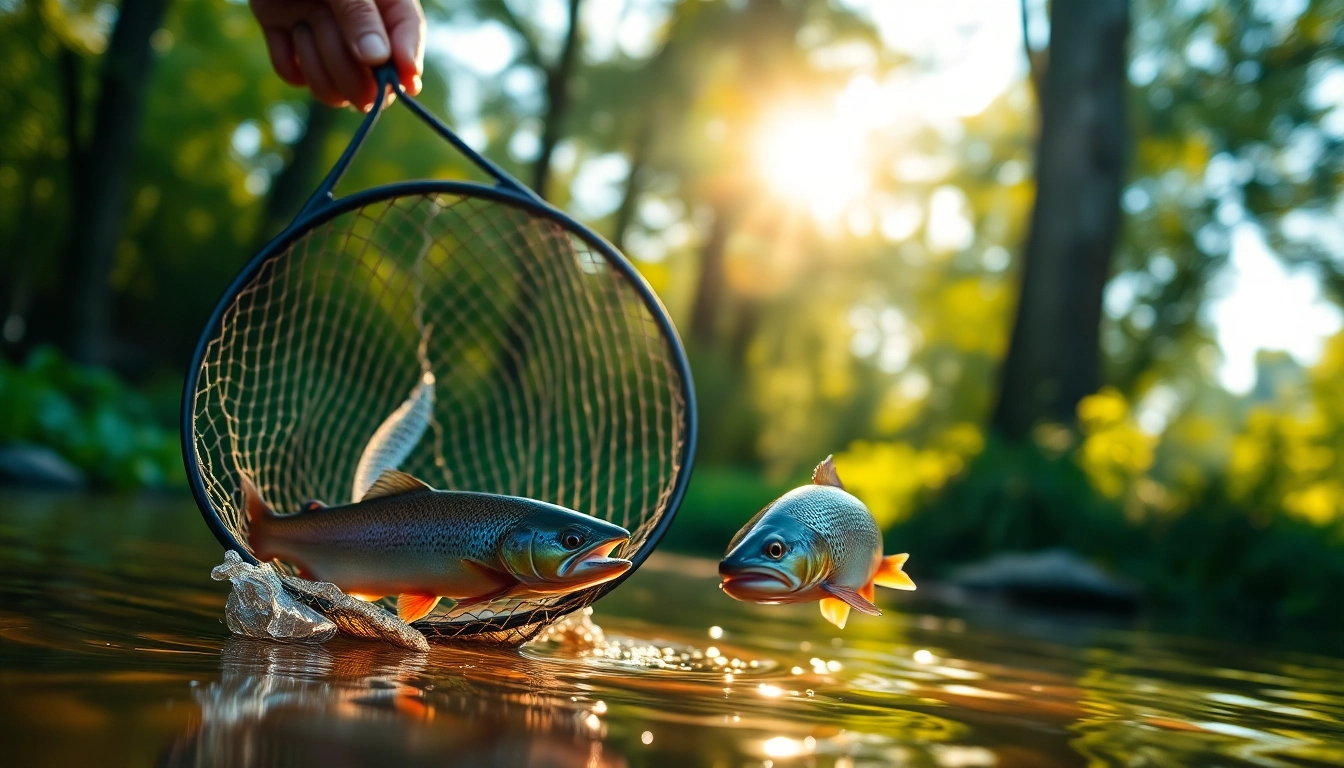
Understanding Fly Fishing Nets
Fly fishing is as much an art as it is a science, and the tools you use greatly influence the outcome of your experience. One such critical tool is the fly fishing net. Selecting the right net can enhance your catch, facilitate a successful catch-and-release, and improve your overall enjoyment while fishing.
Types of Fly Fishing Nets
Fly fishing nets come in various shapes and sizes, each designed to serve different fishing environments and techniques. The most common types include:
- Landing Nets: These nets are used to scoop the fish out of the water. They often have a shallow bag and a long handle, making them versatile for anglers.
- Catch and Release Nets: Specifically designed to protect fish during catch-and-release, these nets often have rubber mesh or soft materials that minimize damage to the fish’s skin and scales.
- Net Bags: These are removable bags that fit onto a hoop. They allow anglers to change the net bag if it gets damaged without replacing the entire net.
- Boat Nets: Designed for use on boats, these nets are typically wider and have a longer reach to help land fish without leaning over the side of the boat.
- Specialized Nets: Some nets are tailored for specific species or fishing styles, such as saltwater nets that are designed to handle larger, tougher fish.
Materials Used in Fly Fishing Nets
The materials used in constructing a fly fishing net significantly impact its durability, weight, and functionality:
- Wood: Traditional nets are often made of wood, which provides a classic aesthetic and excellent buoyancy. However, wooden nets can be heavier and require more maintenance to prevent water damage.
- Aluminum: Lightweight and durable, aluminum nets are popular among modern anglers. They resist rust and corrosion, making them suitable for both freshwater and saltwater fishing.
- Composite Materials: Some nets use a combination of plastic and metal to create a lightweight yet strong structure. These nets often feature ergonomic designs to enhance usability during fishing.
- Rubber Mesh: The use of rubber in netting material is growing due to its fish-friendly properties. Rubber mesh is gentler on fish scales and fins, crucial for preserving the health of caught fish, particularly when practicing catch-and-release.
Key Features to Look for in a Fly Fishing Net
When selecting a fly fishing net, there are several features that can enhance your fishing experience:
- Size: Depending on where you fish, the size of the net is crucial. A small net is ideal for small streams, while a larger net may be necessary for big rivers or lakes.
- Net Depth: Deeper nets are beneficial for larger fish as they can hold them securely without risking escape.
- Handle Length: Longer handles provide needed reach, especially in deep water or from a boat, but can also add weight. Choose a length that balances usability with ease of transport.
- Grip: A comfortable, slip-resistant grip is essential for effectively landing fish, especially in wet conditions.
- Net Material: As discussed previously, consider using nets with rubber mesh due to their fish-friendly qualities, which can help reduce mortality rates in released fish.
Benefits of Using a Fly Fishing Net
Utilizing a fly fishing net brings a multitude of advantages to anglers, enhancing both the fishing process and conservation efforts.
Protecting Fish During Catch and Release
Each time a fish is caught, there is a risk of injury. A fly fishing net, particularly one made of rubber mesh, reduces the likelihood of damaging a fish’s delicate skin and fins. This is especially important if you plan to catch and release. Using a more humane net can increase the chances of survival for the fish after release, aiding in the sustainability of local fish populations.
Enhancing Your Fishing Experience
A quality fly fishing net can contribute significantly to a smoother fishing experience. By enabling quicker access to fish in water, nets minimize the struggle and chaos often associated with landing a fish. They allow for a more controlled approach, enhancing the enjoyment of the moment when you hook a fish. Additionally, the right net can prevent line tangles and reduce the risk of losing your catch.
Minimizing Damage to Fishing Gear
Using a fly fishing net can protect not just the fish but also your gear. Fish thrashing about can lead to tangles or even breakage of your lines, leaders, or flies. A net can contain the fish effectively until you’re ready to release or remove it, safeguarding your expensive equipment and ensuring that your fishing trip remains productive.
Choosing the Right Size and Shape
The size and shape of your fly fishing net play a crucial role in its overall functionality. Each fishing scenario might demand a different net size or shape to optimize performance.
Small Streams vs. Large Rivers: What You Need
In smaller streams, where space is limited, a compact net is essential. These nets allow for easier maneuverability and are often lightweight, reducing fatigue during casting.
Conversely, larger rivers and lakes might necessitate a wider net. A larger net can accommodate bigger fish and deeper waters, enabling you to land larger catches effectively without spooking other fish nearby. The structure must also allow for reaching further out into the water without the angler needing to get completely wet.
Factors Influencing Net Size Selection
When choosing your net size, consider the following factors:
- Target Species: Larger fish like pike or bass will require bigger, stronger nets to secure them effectively.
- Fishing Method: If you’re using a boat, you’ll need a longer-handled net to reach over the sides. For wading, shorter nets sufficed as long as they fit your fishing environment.
- Personal Preference: Different anglers feel more comfortable with different sizes and weights of nets. Your fishing style should help dictate your choice.
How Shape Affects Performance
Net shape can also influence performance. There are round and rectangular nets, each with pros and cons:
- Round Nets: Ideal for most fishing environments, they offer versatility and are easier to maneuver during the landing process. They help contain fish well and allow quick access.
- Rectangular Nets: These nets can be advantageous when catching larger fish, as they offer a larger surface area to capture the fish. However, they might not be as easy to handle in tight spaces.
Care and Maintenance of Your Fly Fishing Net
Proper care and maintenance of your fly fishing net can extend its lifespan and maintain its effectiveness. Here are some tips to consider:
Cleaning Techniques for Different Materials
Different materials require distinct cleaning methods:
- Wooden Nets: Clean them gently with a damp cloth and avoid soaking them in water. A wood conditioner or protective oil can help maintain the finish.
- Aluminum Nets: Use warm, soapy water to clean aluminum nets. Rinse and dry thoroughly to prevent corrosion.
- Rubber Mesh: Rubber netting is typically easier to clean. Rinse it off after a fishing trip to remove slime and debris, and let it air dry.
Storing Your Fly Fishing Net Properly
Storage is vital to keep your net in good condition. Whether in a rod holder or a separate compartment in your tackle box, ensure the net is dry and free from tangling. A dedicated storage bag can protect the net during transport, preventing any damage to the mesh or frame.
Signs It’s Time for a Replacement
Even the best fly fishing nets need replacing eventually. Watch for these signs:
- Fraying or Tearing Mesh: If the mesh is frayed or torn, it will not provide adequate support for fish, potentially leading to escapes.
- Worn Frame: Any bending, corrosion, or signs of wear on the frame can compromise the net’s integrity.
- Handle Damage: A damaged handle can affect your grip and balance when landing fish.
Top Fly Fishing Net Brands to Consider
With an array of brands available, choosing the right one can greatly influence your fishing experience. Here are some highly-regarded options:
Comparing Popular Options in the Market
Some leading brands in the fly fishing net market include:
- Fishpond: Renowned for their eco-friendly nets made from recycled materials, Fishpond nets are durable and stylish, with various options for every angler.
- Orvis: A trusted name in the fishing world, Orvis offers a range of nets that are well-crafted and come with excellent customer service and warranty options.
- Brooks: Known for their elegant wooden nets, Brooks nets combine traditional aesthetics with modern performance features.
What to Expect from Top Brands
Reputable brands often provide certain assurances, including:
- Quality Material: Leading brands use high-quality materials for longevity and performance.
- Great Features: Expect features like ergonomic handles, replaceable mesh, and lightweight designs from top manufacturers.
- Customer Support: Trusted brands typically offer warranties and easy access to customer service.
User Reviews and Recommendations
When selecting a brand, user reviews can be particularly insightful. Look for feedback on:
- Durability over time.
- Effectiveness in different fishing scenarios.
- Overall user satisfaction and features that stand out.
Take time to read community boards, local fishing shops, or online forums to gather diverse opinions about specific models and brands. Engaging with fellow anglers greatly enhances product knowledge.