Understanding Construction Safety Training
What Is Construction Safety Training?
Construction safety training is a crucial educational process focused on equipping workers with the knowledge and skills necessary to operate safely on construction sites. It encompasses various topics, including hazard recognition, proper equipment handling, personal protective equipment (PPE), and emergency response procedures. This type of training is not only a legal requirement in many regions but also a best practice to minimize the risk of accidents and injuries.
Importance of Construction Safety Training
The significance of construction safety training cannot be overstated. Effective training reduces the incidence of workplace injuries, which helps organizations avoid legal ramifications and costly penalties associated with safety violations. Additionally, a well-trained workforce enhances productivity by minimizing downtime due to accidents and ensures compliance with OSHA regulations and other standards. Ultimately, it fosters a culture of safety that permeates all levels of an organization.
Key Components of Effective Training
Effective construction safety training should include several critical components:
- Comprehensive curriculum: Cover various topics, including fall protection, equipment safety, and materials handling.
- Hands-on experience: Combine theoretical knowledge with practical exercises to reinforce learning.
- Personalization: Tailor training to specific job roles, equipment used, and unique site conditions.
- Documentation: Maintain clear records of training sessions and participant engagement for compliance tracking.
- Qualified trainers: Ensure trainers are knowledgeable and experienced in construction safety practices.
Common Hazards in Construction Sites
Identifying Potential Hazards
Understanding common hazards present on construction sites is essential to prevent accidents. Hazards can be categorized as:
- Physical Hazards: Includes falls from heights, equipment-related injuries, and noise-induced hearing loss.
- Chemical Hazards: Exposure to hazardous substances like asbestos, solvents, and dust can result in serious health issues.
- Biomechanical Hazards: Overexertion and repetitive motions can lead to musculoskeletal disorders among workers.
- Psychosocial Hazards: Stress and harassment can negatively impact workers’ mental well-being and job performance.
Risk Assessment Procedures
Risk assessment involves systematically identifying, analyzing, and evaluating risks associated with construction activities. This procedure typically follows these steps:
- Identify hazards: Conduct thorough site inspections and engage workers to recognize potential hazards.
- Assess risks: Evaluate the likelihood and severity of accidents associated with identified hazards.
- Implement controls: Develop strategies to eliminate or minimize identified risks through engineering controls, administrative measures, or PPE.
- Review and monitor: Continuously assess the effectiveness of safety measures and adapt when necessary.
Implementing Safety Controls
Once risks are identified and assessed, implementing effective safety controls is vital. Safety controls can take several forms:
- Elimination: Remove hazards whenever possible, such as redesigning elements of a job to eliminate falls.
- Substitution: Replace hazardous materials with safer alternatives when feasible.
- Engineering controls: Use barriers, guards, or ventilation systems to reduce exposure to risks.
- Administrative controls: Implement policies, procedures, and safety protocols to guide safe work practices.
- PPE: Equip workers with suitable protective gear to reduce exposure to hazards that cannot be completely mitigated.
Best Practices for Effective Training
Engaging Training Methods
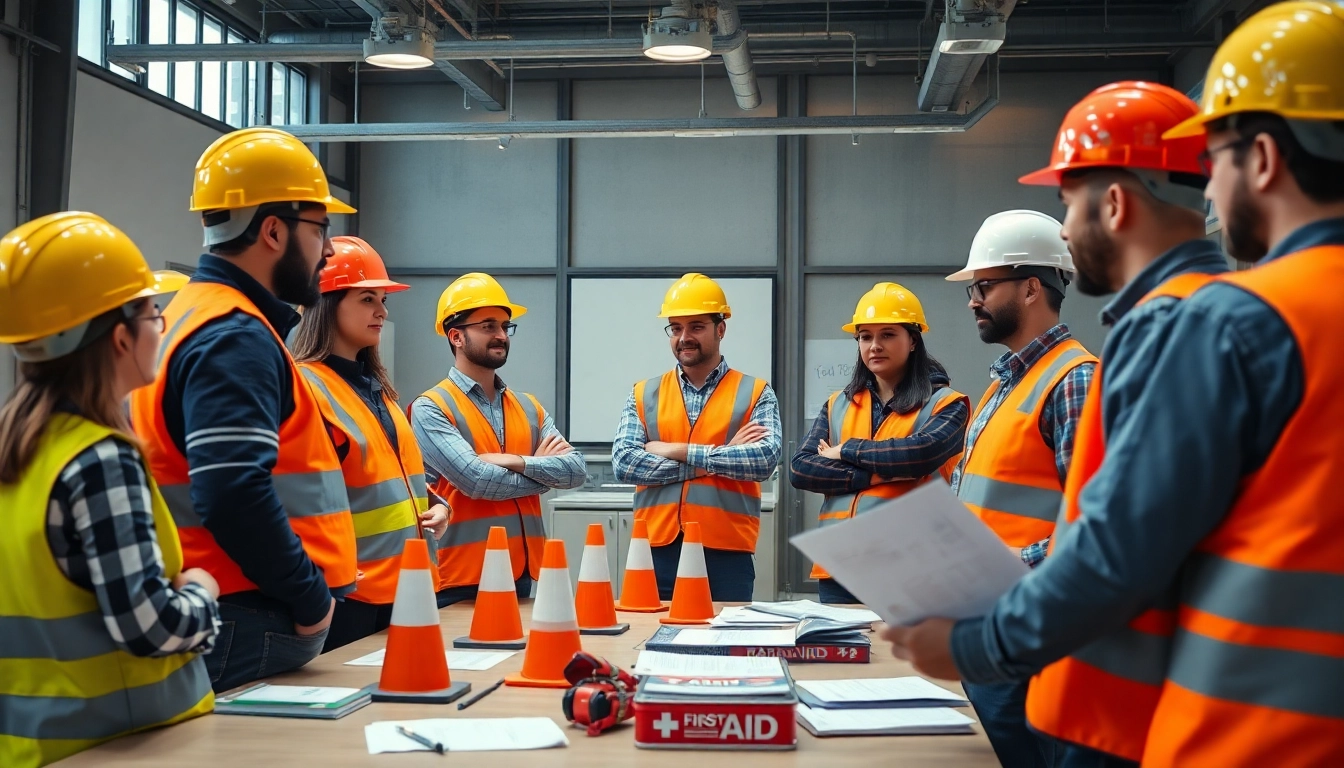
Traditional lecture-based training methods often fail to engage workers fully. Instead, employing interactive, engaging training methods can significantly enhance retention and participation. Some effective methods include:
- Simulation and role-playing: Create real-life scenarios where participants practice responding to different hazards.
- Group discussions: Encourage individuals to share experiences related to safety issues and their resolutions.
- Visual aids: Utilize videos, diagrams, and handouts to make complex information easier to digest.
Utilizing Technology in Construction Safety Training
Leveraging technology can have a profound impact on the effectiveness and accessibility of construction safety training. Innovative tools include:
- Virtual Reality (VR): Provide immersive training environments where workers can practice skills without the risk of injury.
- Mobile applications: Allow workers to access training materials and safety resources on-the-go for continuous learning.
- Online courses: Offer e-learning options that can accommodate varying schedules and learning paces.
- Data analytics: Use analytics tools to track training engagement and performance metrics, tailoring strategies accordingly.
Continuous Improvement Strategies
Construction safety training should not be a one-time event. Instead, organizations must foster an environment of continuous improvement by regularly evaluating and updating training programs. Key strategies include:
- Regular audits: Conduct safety audits to identify new hazards or inefficiencies in safety protocols.
- Employee feedback: Solicit input from workers on training effectiveness and areas for improvement.
- Stay informed: Keep up-to-date with industry regulations, new technologies, and best practices to evolve training content.
Measuring the Success of Safety Training
Key Performance Indicators
Measuring the effectiveness of construction safety training is essential to demonstrate its value. Implementing Key Performance Indicators (KPIs) can provide valuable insights, such as:
- Number of reported incidents and accidents.
- Employee retention rates and turnover.
- Training completion rates and participation numbers.
- Results from safety audits conducted pre- and post-training.
Feedback Mechanisms
Establishing robust feedback mechanisms allows organizations to gauge the effectiveness of their training programs continuously. Effective methods include:
- Post-training surveys: Collect feedback from participants on training relevance, content, and delivery.
- Focus groups: Engage small groups in discussions about their training experiences and suggestions for improvement.
- Observation: Monitor workplace behavior post-training to assess the application of learned skills in real scenarios.
Improving Future Training Programs
Using feedback data, organizations can refine future training programs to address gaps and ensure ongoing effectiveness. Recommendations include:
- Regularly update training content to reflect changes in laws, techniques, and expected standards.
- Incorporate lessons learned from past incidents into training modules to foster a proactive safety culture.
- Involve workers in the development of training procedures to enhance relevance and engagement.
FAQs on Construction Safety Training
What is the duration of construction safety training?
The duration varies based on the program and specific content but typically lasts from a few hours to several days, depending on complexity.
How often should safety training be conducted?
Safety training should be conducted regularly, preferably annually, or more frequently if there are changes in operations, personnel, or regulations.
Are certifications required for construction safety training?
Certifications are often required to comply with industry regulations and can enhance workers’ employability and professionalism.
How can technology enhance training effectiveness?
Technology enhances training through interactive environments, access to digital resources, data analytics for monitoring progress, and remote learning options.
What are common misconceptions about construction safety training?
Some misconceptions include the belief that training is a one-time event, that safety isn’t relevant to all workers, or that it’s only about compliance rather than culture.