Understanding Laser Engraving Designs
What Are Laser Engraving Designs?
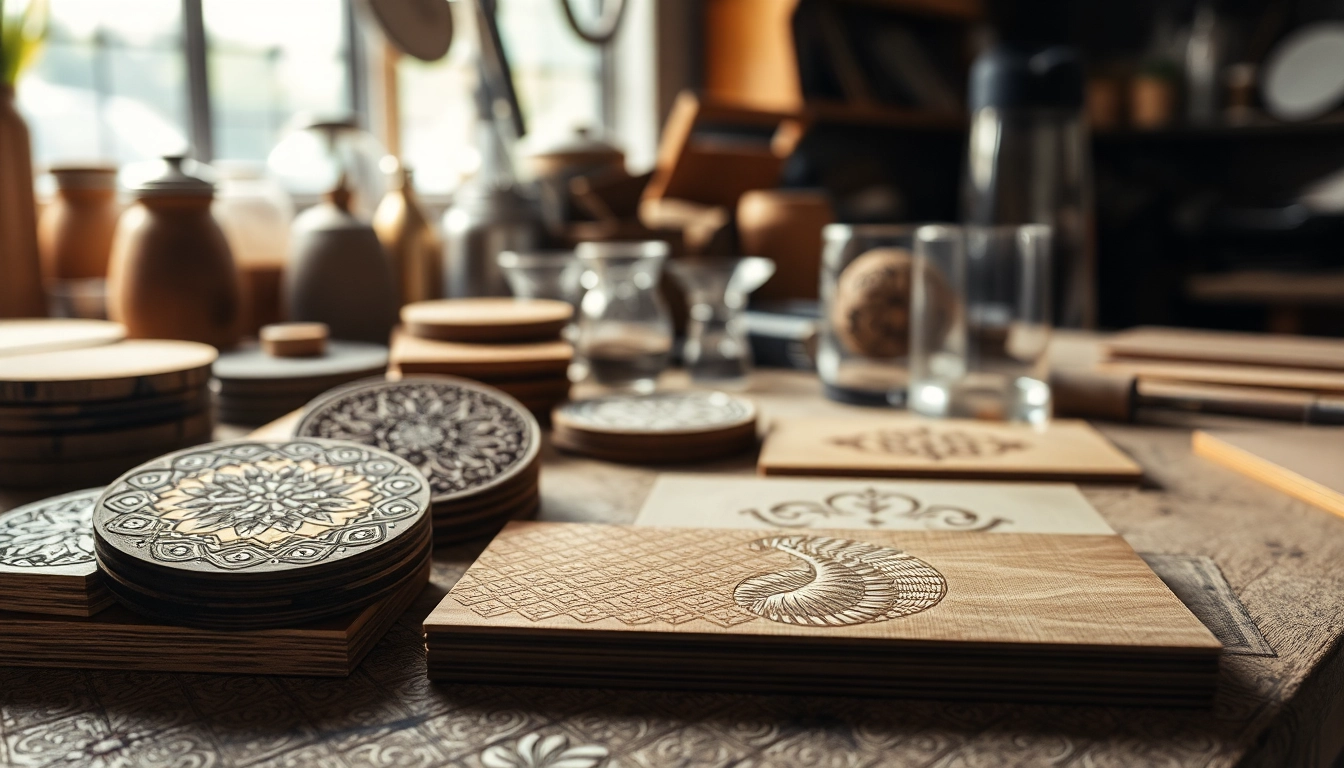
Laser engraving designs refer to the intricate, artistic patterns or images that are created by using laser technology to etch or mark a variety of materials. This technique involves a focused laser beam that removes material to create a permanent design, often resulting in visually stunning contrasts and details that cannot be easily achieved through traditional engraving methods. Due to its precision, laser engraving designs have become popular for a wide range of applications, ranging from personal items like jewelry to large-scale industrial components.
The Technology Behind Laser Engraving
At the core of laser engraving is the technology that utilizes high-powered lasers. The process involves a laser beam that is directed to the surface of a material, which is then melted, burned, or vaporized to create the desired effect. The capabilities of lasers—whether CO2 lasers or fiber lasers—allow for high speed and precision, making it possible to engrave intricate designs efficiently. The difference in laser types affects the materials they can work with; CO2 lasers are typically used for organic materials like wood and acrylic, whereas fiber lasers are preferred for metals. The use of computer-controlled systems ensures that designs can be replicated exactly, making it ideal for personalized products and high-volume production runs.
Popular Applications of Laser Engraving Designs
Laser engraving designs are versatile and find applications across various domains:
- Personalized Gifts: Items such as photo frames, jewelry, and customized awards frequently feature unique engravings that add a personal touch.
- Home Decor: Engraved wood panels, glassware, and decorative items are increasingly seen in modern interiors.
- Industrial Use: Identification plates, barcodes, and logos that require high durability can be laser-engraved on metals and plastics.
- Promotional Products: Businesses often use engraved promotional items for branding, as a well-engraved logo can enhance visibility and recognition.
Choosing the Right Materials for Laser Engraving Designs
Wood, Glass, and Metal Selections
When selecting materials for laser engraving designs, the choice of substrate plays a critical role in achieving the desired effect. Common materials include:
- Wood: Wood offers versatility in engraving due to its natural grain, which can enhance the design’s appearance. Different types of wood, such as maple, cherry, and walnut, yield varying degrees of contrast and detail.
- Glass: Engraving on glass produces elegant designs due to its transparency and ability to refract light. Frosted or mirror finishes can yield stunning effects.
- Metal: Metals such as stainless steel, aluminum, and brass provide durability. Depending on the laser type, surface treated metals can result in deep, clear engraving.
Durability Factors in Material Choices
Durability is one of the primary considerations when selecting materials for laser engraving designs. For instance, metals are generally the most durable and resistant to wear and tear. Glass is also considered durable but can be fragile if subjected to impact. Woods can vary significantly; hardwoods typically endure better than softwoods, especially when subjected to outdoor conditions. Understanding the end-use of the engraved product will help in selecting the right material that balances appearance with longevity.
How Material Affects Design Detail
The detail achievable in laser engraving designs is largely influenced by the material chosen. Dense materials like hardwoods allow for finely detailed designs, whereas softer materials may yield broader results due to the way they react to the laser. The cleaner the cut, the more intricate the design can be reproduced. Additionally, the contrast between the engraving and the base material is crucial for visibility. For example, lighter woods reveal deeper engravings better than darker woods, while metals may require surface preparation for depth in engraving.
Creative Ideas for Laser Engraving Designs
Personalized Gifts to Create
One of the most popular applications of laser engraving is the creation of personalized gifts. Family name signs for homes, engraved jewelry, and custom keepsakes are all cherished options. Consider creating:
- Monogrammed items like keychains or wallets.
- Personalized photo frames that include dates or names.
- Customized pet tags for your furry friends.
Home Decor Inspirations
Laser engraving can transform ordinary home decor into personalized art. Ideas in this space include:
- Engraved wooden wall art featuring nature scenes or quotes.
- Glass coasters with personalized designs for entertaining.
- Custom engraved lampshades that throw fascinating patterns when lit.
Engraved Items for Businesses
Businesses can leverage laser engraving designs for marketing and branding. This can range from promotional products to everyday business essentials. Potential applications include:
- Engraved pens or notebooks that staff carry, enhancing brand visibility.
- Customized awards and recognition plaques for employees.
- Branded merchandise like drinkware for events.
Best Practices for Creating Laser Engraving Designs
Design Software Recommendations
Creating stunning laser engraving designs often begins with the right design software. Popular choices include:
- Adobe Illustrator: Excellent for creating vector graphics suitable for engraving.
- CorelDRAW: Another robust vector graphics tool that integrates well with laser engraving machines.
- Inkscape: A free alternative that provides essential design capabilities.
Overcoming Common Design Challenges
Designers may face several challenges when creating laser engraving designs, including:
- Image Resolution: Ensure high-resolution images to avoid pixelated engravings.
- File Format: Use compatible file formats like SVG or DXF to maintain design quality.
- Size Scaling: Be mindful of how designs scale on different-sized materials to maintain proportions.
Measuring Success: Testing and Feedback
It’s crucial to test engraving designs on sample materials before full production. Collect feedback from peers or potential customers to refine designs further. Measure success not just by aesthetic appeal but by durability and functionality as well. Engraving depth, clarity, and how well the design holds over time are key performance metrics.
FAQs About Laser Engraving Designs
How long does laser engraving last?
Laser engraving is durable, often lasting a lifetime depending on the material and usage conditions.
Can I engrave photos with laser designs?
Yes, laser engraving can effectively reproduce detailed images and photos on suitable materials.
What materials can be engraved with lasers?
Common materials include wood, acrylic, glass, leather, and certain metals.
Is laser engraving safe?
Yes, when done in a controlled environment, laser engraving is safe, utilizing low power settings for precise results.
How much do laser engraving services cost?
Costs vary based on design complexity and material, typically ranging from $10 to several hundred dollars.