Understanding Recovery Boards and Their Uses
What Are Recovery Boards?
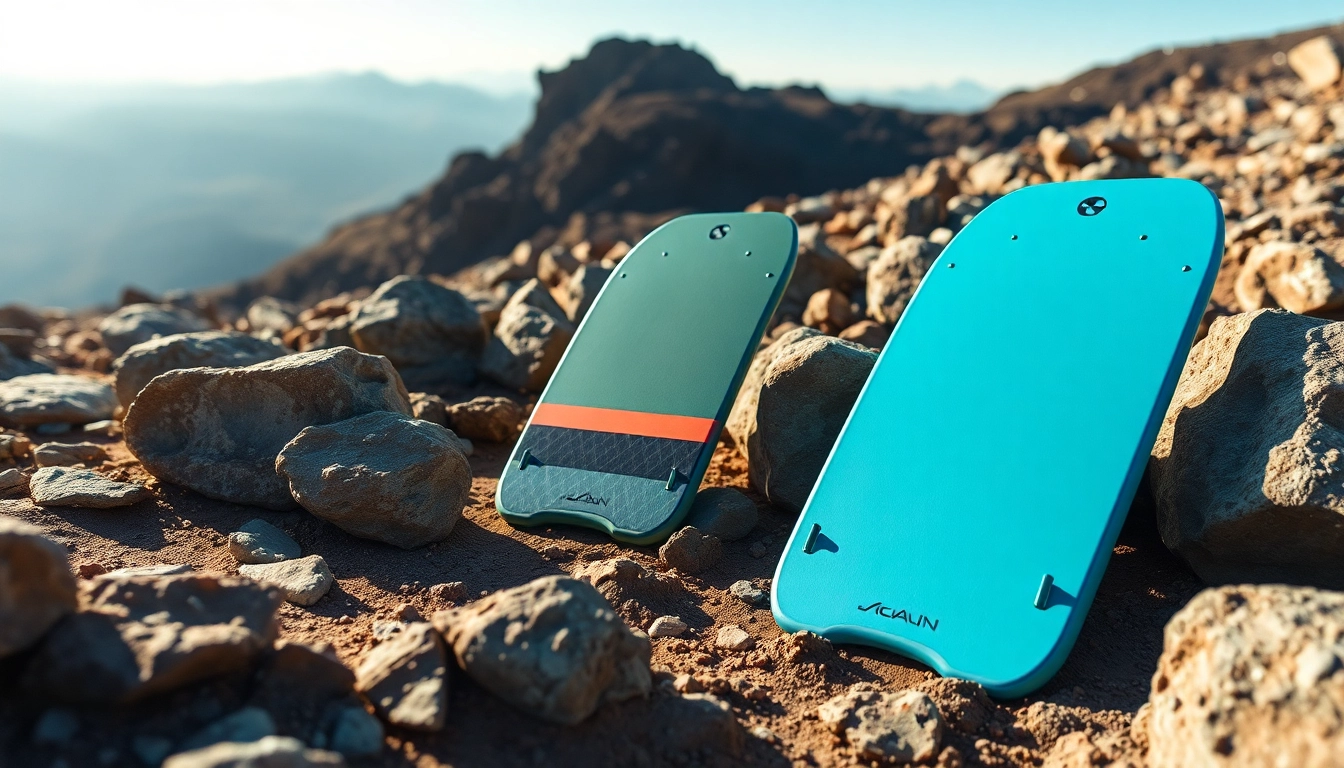
Recovery Boards, also known as traction boards, are essential tools designed to assist vehicles that become stuck in mud, sand, or snow. Constructed typically from durable materials such as heavy-duty plastic or metal, these boards provide the traction needed for vehicle tires to regain grip on slippery or unstable surfaces. Their design often includes ridges or grooves that enhance vehicle traction and facilitate a safe recovery process.
Key Benefits of Recovery Boards
One of the primary benefits of using Recovery Boards is their ability to significantly increase traction for vehicles stranded in challenging conditions. They help prevent wheel spin, allowing tires to find grip without digging deeper into mud or snow. Additionally, these boards are lightweight and easy to transport, making them accessible during off-roading adventures. Importantly, using Recovery Boards can save time, prevent vehicle damage, and eliminate the need for call-outs to recovery services.
When to Use Recovery Boards
Recovery Boards should be employed when a vehicle is stuck in conditions such as deep mud, loose sand, or fresh snow. They are particularly useful during off-road situations where traditional towing methods may not be practical. It’s essential to assess the terrain and wheel behavior; if you notice that your tires are spinning without gaining traction, it’s time to deploy your Recovery Boards for a self-recovery.
Types of Recovery Boards Available
Plastic vs. Metal Recovery Boards
The two main materials used in the construction of Recovery Boards are plastic and metal, each offering distinct advantages. Plastic boards are lighter and often more affordable, making them popular for casual off-road enthusiasts. They can flex under the weight of the vehicle which assists in grip. On the other hand, metal boards tend to be more durable and are less likely to break under extreme conditions, but they can be heavier and more expensive.
Size Variations in Recovery Boards
Recovery Boards come in a variety of sizes to fit different vehicles, ranging from compact options for smaller cars to larger boards designed for SUVs and trucks. The length and width of the boards can affect their effectiveness; smaller boards may struggle to provide adequate lift for heavier tires, while larger boards can offer a broader traction surface which is beneficial in loose terrain.
Special Features of Different Recovery Boards
Some Recovery Boards include advanced features such as integrated handles for easier maneuverability or specific tread designs that enhance traction. Others might feature spikes or grips on the underside to prevent sliding once the boards are placed. These additional features can significantly influence the ease of recovery operations and the overall effectiveness of the boards in various conditions.
How to Choose the Right Recovery Boards
Factors to Consider Before Buying
When selecting Recovery Boards, consider your frequent driving conditions, the types of surfaces you may encounter, and the size of your vehicle. Assess the weight capacity of the boards to ensure they can handle the demands of your vehicle, especially if you drive larger models. Flexibility, portability, and ease of storage are also important factors to keep in mind.
Matching Recovery Boards to Vehicle Requirements
Every vehicle is different, and understanding your specific needs is key. For instance, heavier vehicles might require larger or multiple boards for effective recovery, while smaller vehicles may benefit from compact boards. If you regularly venture into areas prone to becoming muddy or sandy, investing in higher-quality boards with greater durability is wise.
Budget Considerations for Recovery Boards
Recovery Boards come in a range of prices. While it might be tempting to opt for the cheapest option, investing in quality boards is crucial for safety and reliability. Consider the long-term value of durable materials over time, especially if you use them often. That being said, there are many affordable yet effective options available that can meet the needs of casual adventurers.
Best Practices for Using Recovery Boards
Preparing Your Vehicle for Recovery Operations
Before deploying Recovery Boards, ensure your vehicle is stable and positioned safely. Turn off the engine and engage the parking brake to prevent any unexpected movement. Check the tires to see how deeply they are embedded and assess whether they can be freed with the boards. Understanding the terrain ahead of time can also enhance recovery efforts.
Setting Up Recovery Boards in Various Conditions
When using Recovery Boards, placement is crucial. For optimal effectiveness, position the boards in front of or behind the stuck tire, depending on the direction you intend to move. On sand, ensure that the boards are placed at an angle to facilitate easier traction. In snow or mud, clear any loose material away from the tires before deploying the boards to enhance their grip.
Safety Tips When Using Recovery Boards
Always prioritize safety when using Recovery Boards. Ensure that bystanders are at a safe distance while recovery operations are taking place. Additionally, wear gloves when handling the boards to protect your hands from potential injuries. Conduct a visual inspection of both your vehicle and the recovery boards before use to confirm their functionality. Finally, avoid attempting recovery in extremely hazardous conditions, such as on a steep incline or in unstable weather.
FAQs About Recovery Boards
What materials are best for Recovery Boards?
The best materials for Recovery Boards are typically durable plastics for lightweight use and metal for extreme durability, depending on user needs.
How do I store my Recovery Boards effectively?
Storing Recovery Boards in a cool, dry place is ideal. Use a vehicle storage compartment or attach them to your vehicle for easy access during off-road trips.
Can Recovery Boards be used in snow?
Yes, Recovery Boards work effectively in snow by providing traction for tires, enabling them to regain grip and move out of snowdrifts.
What is the weight capacity of Recovery Boards?
The weight capacity of Recovery Boards can vary. Most can support vehicles up to 6,000 pounds, but verify specifications for your specific model.
Are Recovery Boards tough enough for off-roading?
Yes, high-quality Recovery Boards are designed to withstand the rigors of off-roading, making them suitable for challenging terrain like sand, mud, and snow.