
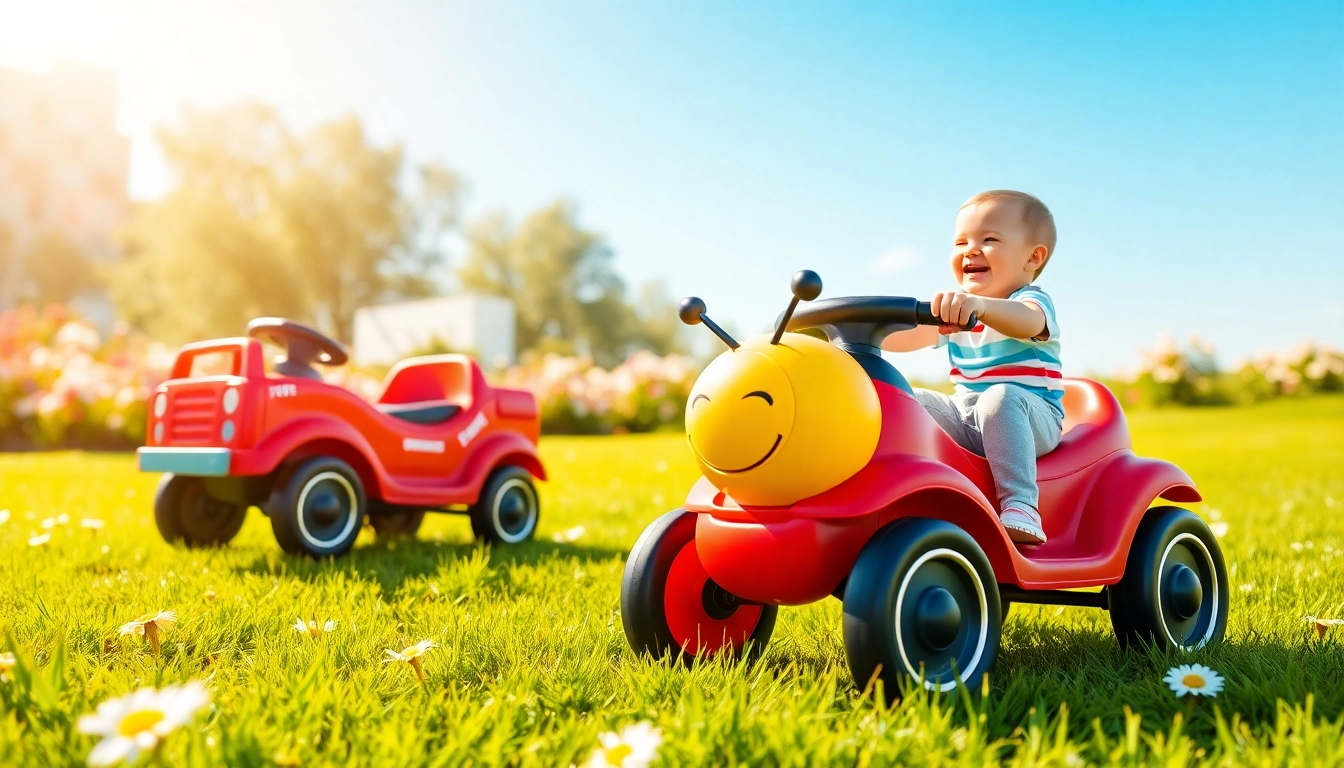
Introduction to Ride On Toys
Ride on toys have become a staple in many households, inviting children to mix fun with physical play as early as toddlerhood. These engaging toys provide not just entertainment but also promote essential developmental skills. If you’re searching for the perfect way to introduce movement and adventure to your child’s playtime, ride on toys can be a fantastic choice.
What Are Ride On Toys?
Ride on toys are compact vehicles designed for young children to sit on and propel themselves. They come in various styles, such as push toys, pedal-powered ride ons, and even electric options. The key feature that sets these toys apart is that they allow children to operate them with their own body movements, promoting both mobility and imaginative play. Some common examples include scooters, tricycles, and toy cars.
Benefits of Ride On Toys
Engaging with ride on toys offers a plethora of benefits that support both physical and cognitive development:
- Physical Development: They help develop gross motor skills as children learn to balance, steer, and propel themselves forward.
- Coordination: As children navigate their environment, they enhance their coordination and spatial awareness.
- Social Skills: When used in group settings, ride on toys encourage shared play, cooperation, and negotiation among peers.
- Imaginative Play: Children often incorporate these toys into imaginative scenarios, which boosts creativity and storytelling skills.
- Confidence Building: Mastering new rides boosts self-esteem as children accomplish goals and challenge themselves.
Popular Types of Ride On Toys
With a vast selection available, parents can choose from numerous types of ride on toys that cater to different preferences and developmental stages:
- Paddle Cars: Typically used indoors, these are ideal for younger children and promote coordination.
- Tricycles: They offer an excellent way for slightly older children to learn pedaling and steering, suitable for outdoor play.
- Electric Ride On Cars: These battery-operated cars provide a more thrilling experience, featuring often realistic designs and parental controls.
- Balance Bikes: These do not have pedals, encouraging children to learn balance and coordination before moving to traditional bikes.
Safety Considerations for Ride On Toys
Essential Safety Features
Safety should always be a priority when selecting and using ride on toys. Look for the following essential safety features:
- Stable Base: Ensure the toy has a wide base to prevent tipping.
- Non-slip Surface: Footrests and seats should have a non-slip texture to keep children securely in place.
- Safety Straps: For certain toys, safety straps can help keep younger children secure.
- Age Appropriateness: Always choose toys designed for your child’s specific age and weight.
Guidelines for Safe Use
To ensure a safe and enjoyable experience with ride on toys, consider the following guidelines:
- Always supervise young children while they play.
- Choose appropriate surfaces for riding (flat, level areas are best).
- Regularly inspect the toys for damages or wear that could pose safety risks.
- Encourage the use of safety gear, such as helmets and knee pads, for older children, especially when riding faster toys.
Parental Supervision Importance
Active parental supervision cannot be overstated. Children often do not fully understand safety risks, and their impulsive nature can lead to accidents. By watching over your child’s play, you can intervene to prevent accidents and reinforce good practices. Setting a good example of safety behavior also promotes a healthy attitude toward playtime activities.
Choosing the Right Ride On Toys
Age Appropriateness
When selecting ride on toys, age appropriateness is crucial. Different types of toys are suited for various age groups:
- Infants and Toddlers (1-3 years): Look for stable, low-to-the-ground options with safety features.
- Preschoolers (3-5 years): Consider tricycles or ride ons that require pedaling.
- Older Children (5-8 years): Electric cars or faster ride ons are suitable for this adventurous group.
Indoor vs. Outdoor Options
The environment where the toys will be used significantly influences the choice of ride on toys. Here’s how to distinguish them:
- Indoor Options: Lightweight, quieter toys are preferred for indoor use. They should have materials that won’t damage floors.
- Outdoor Options: These should be sturdy and able to handle varying terrain. Larger wheels and more durable materials are ideal.
Material and Build Quality
The longevity and safety of ride on toys heavily depend on their materials and build quality. Here are some considerations:
- Plastic vs. Metal: While heavy-duty plastic toys are lightweight and durable for younger children, metal options provide sturdiness and longevity.
- Paint Safety: Look for non-toxic, lead-free paint finishes to ensure safety during use.
- Durability: Ensure the build can withstand the wear and tear of enthusiastic play.
Maintenance Tips for Ride On Toys
Cleaning and Storage Techniques
Proper care of ride on toys extends their lifespan and ensures safety. Here are some key maintenance advice:
- Regular Cleaning: Clean toys regularly with mild detergent. Avoid harsh chemicals that could damage the finish or painting.
- Protected Storage: Store toys in a dry place out of direct sunlight, as exposure can degrade materials over time.
Checking for Damage and Wear
Regular inspection of ride on toys is essential to maintain safety:
- Look for cracks in plastic or metal.
- Check wheels for wear and ensure they move freely.
- Inspect for rust or deterioration, especially in metal components.
Extending Life of the Toys
To get the most out of ride on toys, follow these strategies:
- Routine Maintenance: Follow the manufacturer’s guidelines for regular maintenance.
- Repair Instead of Replace: Address issues promptly to avoid larger problems; parts can often be replaced without buying a new toy.
Frequently Asked Questions about Ride On Toys
What age group are ride on toys suitable for?
Ride on toys are generally designed for children aged 1 to 8 years. Ensure the toy’s specifications match the child’s age and weight for safety.
How do I select the best ride on toy for my child?
Consider your child’s age, development stage, and preferences. Also, factor in safety features and where the toy will be used (indoor vs. outdoor).
Are ride on toys safe for outdoor use?
Yes, many ride on toys are designed for outdoor use. Look for features like sturdy wheels and durable materials for outdoor play.
What materials are commonly used in ride on toys?
Common materials include heavy-duty plastic and metal. Always check for non-toxic finishes and safety standards.
How can I maintain my child’s ride on toy?
Regularly clean the toy, check for damages, and store it safely. Follow the manufacturer’s maintenance recommendations for longevity.