
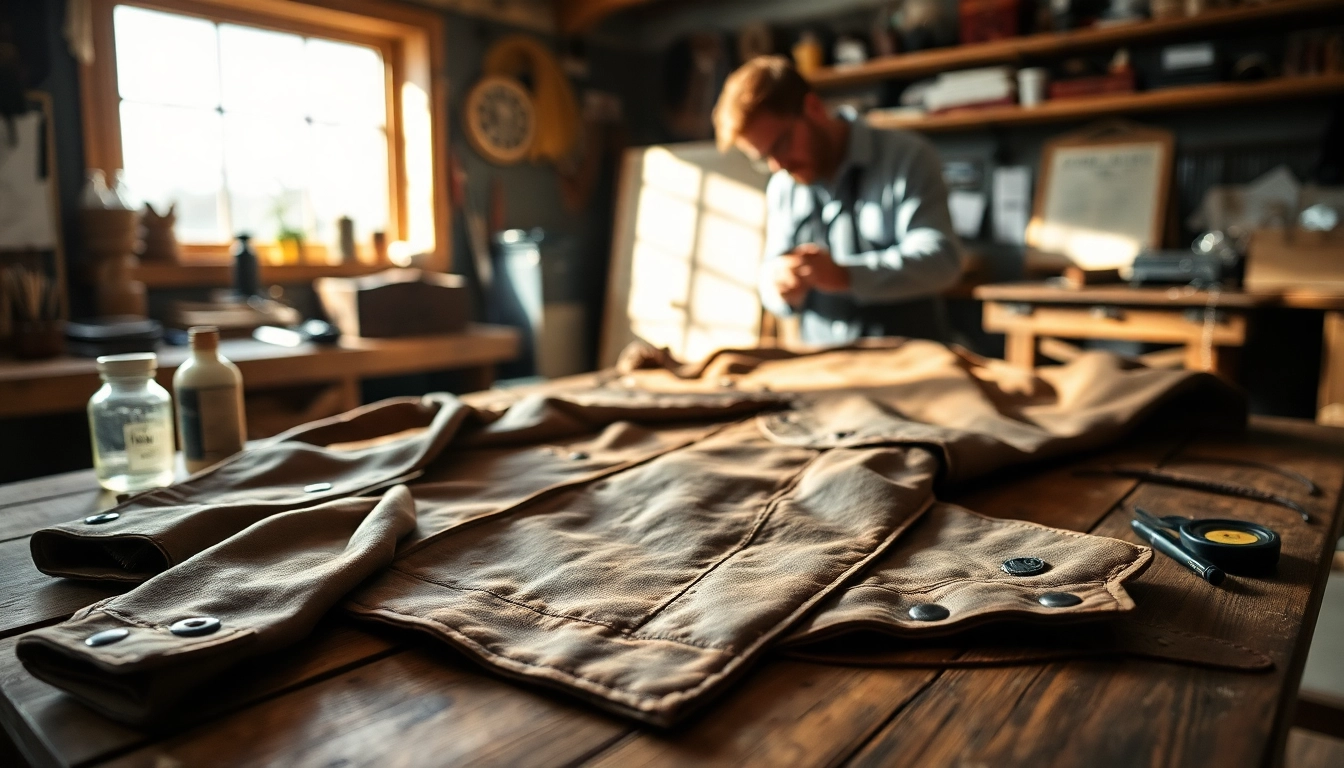
Understanding Vintage Leather Jackets
Vintage leather jackets are more than just clothing; they are pieces of history that carry stories, character, and style. The nostalgia associated with these jackets makes them highly sought after. Whether you have an old leather jacket handed down through generations or one you’ve picked up as a statement piece, understanding the intricacies of vintage leather is essential for effective restoration. This guide provides comprehensive insights into Restoring vintage leather jackets and gear, ensuring your treasured items can continue to look their best.
Characteristics of Vintage Leather
Vintage leather typically showcases unique qualities that modern leather often lacks. For instance:
- Texture: Vintage leather has a natural patina that develops over time, giving it a soft and rich texture.
- Craftsmanship: Older jackets often feature superior craftsmanship, with hand-stitched details and high-quality hardware that may be absent in modern equivalents.
- Style: Iconic cuts and designs, such as bomber jackets or café racers, define periods in fashion, making them collectible items.
The Importance of Proper Care
Proper care for vintage leather is paramount. Leather is a natural material that can dry out, crack, or fade if not treated correctly. Regular maintenance not only preserves the aesthetic appeal but also prolongs the lifespan of the jacket. The key to longevity lies in understanding your leather’s needs and providing the appropriate care.
Common Issues with Ageing Leather
As leather ages, it may exhibit various issues that require attention:
- Dryness: Leather can lose its oils and moisture, leading to cracking and stiffness.
- Fading: Exposure to sunlight can cause color fading, altering the original tone of the leather.
- Stains and Scuff Marks: Everyday wear can lead to unsightly stains or scuffs, detracting from the jacket’s appearance.
- Mold and Mildew: Improper storage in humid conditions can lead to mold growth, damaging the leather.
Step-by-Step Restoration Process
Preparing Your Leather for Restoration
Before diving into restoration, it’s important to assess the jacket’s condition. Start by gently wiping down the surface to remove dust and dirt, identifying problem areas that need particular attention. Consider the following steps:
- Check for Damage: Look for cracks, tears, or weakened stress points.
- Gather Supplies: Collect all necessary tools and products before starting, including cleaners, conditioners, and repair kits.
- Test Products: Always test cleaners or conditioners on a small, inconspicuous area to avoid damage.
Cleaning and Conditioning Techniques
Restoration begins with cleaning and conditioning to restore moisture and vibrancy.
- Use a Gentle Cleaner: Opt for a pH-balanced leather cleaner to avoid stripping natural oils.
- Condition the Leather: After cleaning, apply a high-quality leather conditioner in circular motions. This ensures even absorption and revitalizes the leather’s natural suppleness.
- Buff the Leather: Use a soft cloth to buff the jacket after conditioning, enhancing shine and removing excess product.
Repairing Damaged Areas
Once cleaned and conditioned, focus on addressing specific damages:
- Patch Holes and Tears: Use leather patch kits to fill holes; for tears, carefully stitch or apply adhesive meant for leather.
- Color Restoration: For faded areas, consider using leather dye that matches the original color. Apply in thin layers for an even finish.
- Reinforce Weak Spots: For jackets with thin areas, use leather-safe adhesives or backing patches to prevent further tearing.
Tools and Products for Restoration
Essential Tools for Leather Restoration
Investing in the right tools can make a significant difference in the restoration process. Essential tools include:
- Soft Brushes: For applying cleaners and conditioners.
- Leather Protectant Spray: To guard against water and stains after restoration.
- Patch Kits: For repairing tears, holes, or scuffs.
- Leather Dye: For color restoration.
Recommended Leather Conditioners and Cleaners
Choosing quality products is vital:
- Conditioners: Look for natural oils such as mink oil or neatsfoot oil as they penetrate the leather deeply and provide lasting moisture.
- Cleaners: Use gentle, pH-balanced cleaners like glycerine-based soap to avoid damage.
Choosing the Right Adhesives for Repairs
Not all adhesives are created equal. Use those specifically formulated for leather repairs. Options like contact cement and leather glue provide strong bonds and are flexible, allowing for movement without compromising the integrity of the repair.
Maintaining Your Restored Leather Gear
Best Practices for Leather Maintenance
After restoring your vintage leather, maintaining it is crucial. Here are best practices to ensure it remains in peak condition:
- Regular Cleaning: Clean your leather periodically to remove dirt and prevent buildup.
- Conditioning: Condition every 3-6 months, depending on wear and environmental factors.
- Store Properly: Use breathable garment bags and avoid hanging leather jackets on wire hangers to preserve shape.
Protecting Your Jacket from the Elements
Weather can be harsh on leather. To protect your jacket, consider applying a leather protectant. Additionally, avoid wearing your leather jacket in heavy rain or extreme humidity without water protection.
Periodical Care and Conditioning
Like any treasured item, your leather gear requires ongoing attention. Schedule regular assessments of its condition and apply necessary treatments to maintain its beauty and functionality.
Frequently Asked Questions
Can I restore a heavily damaged leather jacket?
Yes, many types of damage can be repaired. However, the extent of restoration depends on the damage type and the leather quality.
How often should I condition my leather?
Conditioning every 3-6 months is ideal. More frequent conditioning may be necessary in dry or humid climates.
What products should I avoid when restoring leather?
Avoid harsh chemicals and solvents. Products containing alcohol or petroleum can strip oils from leather, causing damage.
Is professional restoration worth the cost?
If your leather is severely damaged or you lack the tools and experience, professional services are often worth the investment for quality results.
Can I restore leather at home?
Absolutely! Many basic repair and maintenance tasks can be performed at home with the right tools and products.