
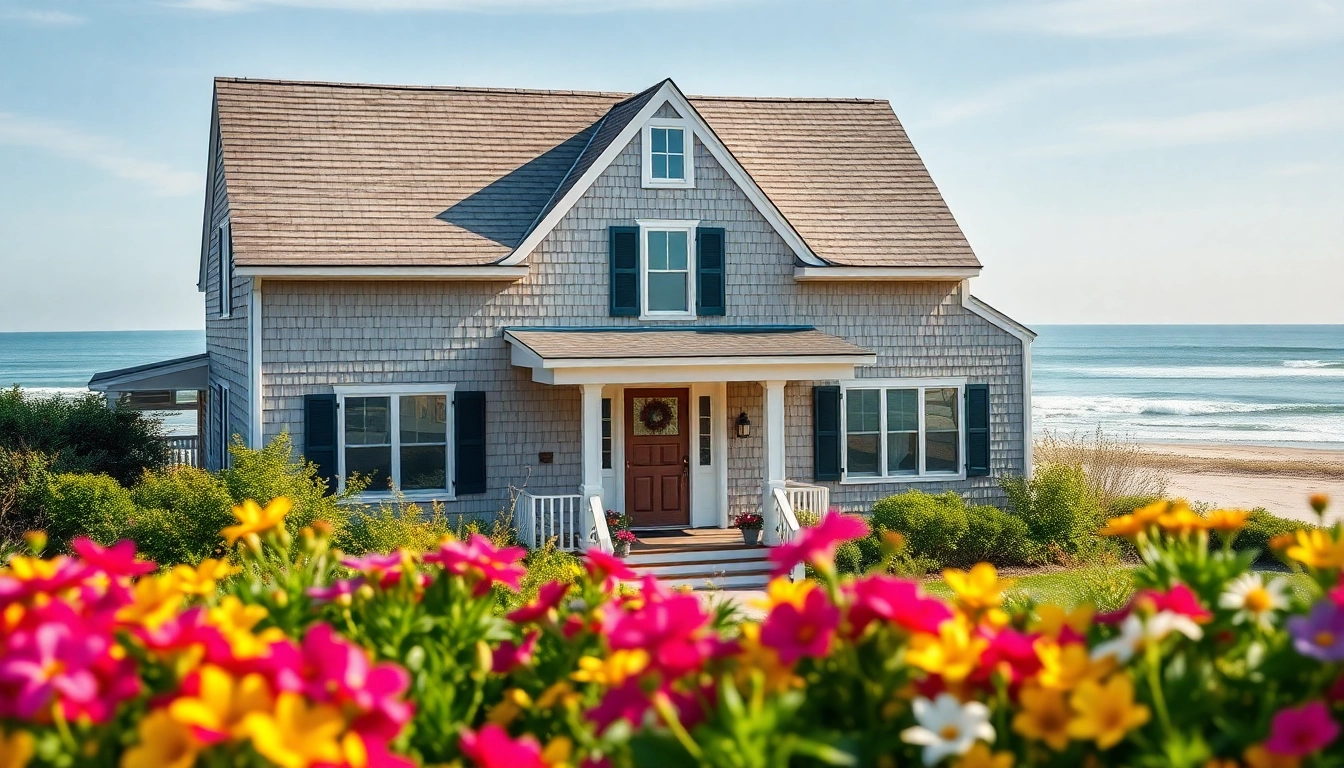
Understanding the Cape Cod Home Aesthetic
The cape cod home stands as a iconic representation of American architecture, known for its quaint charm and practical design. These homes capture the essence of Cape Cod’s coastal lifestyle, offering a blend of form and function that appeals to many homeowners. Understanding the aesthetic of a Cape Cod home encompasses recognizing its key architectural features, historical context, and how modern adaptations continue to resonate with today’s home buyers.
Key Architectural Features of the Cape Cod Home
Typically embodying a simple, symmetrical design, the Cape Cod home showcases steeply pitched roofs, dormer windows, and a symmetrical facade. Hip and gable roofs are prevalent, which serve both aesthetic purposes and practical needs, shedding snow efficiently during the winter months. The exterior is often clad in wood siding, traditionally painted in muted, natural colors that mirror the coastal environment. These homes often feature a centralized chimney, emphasizing the balanced look and aiding in the even distribution of heat from interior fireplaces.
Historical Significance and Regional Influences
The origins of Cape Cod homes trace back to the 17th century when early settlers sought durable housing that could withstand the harsh New England climate. The design was heavily influenced by early English Colonial styles, focusing on functionality due to the abundance of timber in the region. These homes were built with practicality in mind, featuring a compact layout conducive to heating during cold winters and easy maintenance. As American architectural trends evolved, the Cape Cod style remained a staple, celebrating regional heritage while accommodating modern needs.
Modern Adaptations of Classic Designs
Today, homeowners and architects are finding innovative ways to modernize Cape Cod homes while honoring their traditional roots. This often involves enlarging the square footage, incorporating open floor plans to create a more spacious feeling, and utilizing contemporary materials that offer better insulation and energy efficiency. Large windows and sliding glass doors have become common enhancements, allowing for greater interaction with the outdoors, thus embracing the surrounding natural beauty of coastal landscapes.
Essential Design Elements in Cape Cod Homes
The incorporation of essential design elements is critical in reflecting the charm and character of a Cape Cod home. From material choice to interior decor, each element contributes to the overall aesthetic and functional quality of the residence.
Choosing the Right Materials for a Cape Cod Home
When selecting materials for a Cape Cod home, homeowners typically lean toward natural products that enhance durability. Classic wood siding, preferably cedar or pine, offers longevity and weather resistance. Additionally, roofing materials such as asphalt shingles or cedar shakes are favored for their proven resilience to coastal weather. For windows, double-pane glass with wooden or fiberglass frames maintains the traditional look while boosting energy efficiency.
Interior Design Trends for Cape Cod Spaces
Internally, Cape Cod homes benefit from a light and airy aesthetic, achieved through the use of pale color palettes and nautical-inspired decor. White shiplap walls, beadboard ceilings, and wide-planked flooring are commonly found in these homes. Open-concept layouts in common areas help promote flow and facilitate gatherings. Resulting spaces are not only functional but also promote a sense of tranquility synonymous with coastal living.
Outdoor Spaces: Enhancing Curb Appeal
One of the defining characteristics of a Cape Cod home is its integration with outdoor spaces. Patios, porches, and beautifully manicured gardens are essential for enhancing curb appeal. Landscaping often features native plants and low-maintenance greenery that can withstand coastal conditions. Incorporating stone pathways, outdoor seating areas, or even fire pits can create inviting outdoor spaces suitable for entertaining or quiet reflection, further enhancing the home’s appeal.
Benefits of Owning a Cape Cod Home
Investing in a Cape Cod home comes with numerous benefits beyond dazzling aesthetics. Homeowners often reap rewards related to durability, energy efficiency, and overall market value.
Durability and Weather Resistance of Cape Cod Homes
The construction materials and design principles behind Cape Cod homes lend themselves to lasting durability, particularly in regions prone to inclement weather. The steep roofs enable snow and rain to slide off easily, while the sturdy wood exteriors are often treated to resist rot and pests. This resilience translates into lower maintenance costs, as they require less frequent repairs and replacements over time.
Energy Efficiency Considerations
Modern adaptations of Cape Cod homes have incorporated energy-efficient features, yielding significant homeowner benefits. Proper insulation, along with energy-efficient windows and doors, enhances the home’s thermal performance. Homeowners often notice reduced utility bills along with a more comfortable living environment throughout all seasons. With rising energy costs, the value of such features cannot be understated.
Potential Return on Investment for Homeowners
Investing in a Cape Cod home can provide substantial return on investment (ROI) for homeowners. The quaint yet charming architectural style appeals to a broad audience, ensuring desirability in various real estate markets. Should homeowners decide to sell, the enduring popularity of the Cape Cod style often results in favorable market conditions. Renovations that maintain the home’s character while adding modern conveniences can further increase its value.
Customizing Your Cape Cod Home
A home reflects personal style, and there are many ways to customize a Cape Cod home while maintaining its charm and integrity.
Personalizing Interior Spaces for Comfort
Customization starts within the walls of a Cape Cod home, where personalization can create a welcoming atmosphere. Adding built-in furniture, personalized artwork, or thoughtful light fixtures can enhance comfort while preserving the home’s essence. Layering textures through cushions, throws, and rugs helps achieve warmth, making the space feel homely and inviting.
Landscaping Ideas to Match Your Cape Cod Home
A well-thought-out landscape design can effortlessly blend with the Cape Cod aesthetic. Coastal gardens featuring native flora, ornamental grasses, and seasonal blooms bring life to the yard. Incorporating hardscapes such as stone walls, pergolas, and pathways should follow the natural contours of the land, enhancing the home’s overall appearance and functionality.
Renovation Tips to Preserve Tradition
Renovating a Cape Cod home requires thoughtful consideration to maintain its traditional elements. Homeowners should prioritize using similar materials that align with the original aesthetic, such as wood and natural stone. Retaining architectural details like wainscoting, molding, and Balustrades ensure that renovations respect the heritage while catering to modern conveniences.
FAQs about Cape Cod Homes
What are the defining features of a cape cod home?
Many cape cod homes boast steep roofs, dormer windows, and symmetrical facades, often utilizing natural materials.
How can I maintain the exterior of my cape cod home?
Regular painting and maintenance of wood siding and roofing are crucial, alongside routine inspections for weather-related wear.
Are cape cod homes energy-efficient?
Yes, with proper insulation and modern windows, cape cod homes can be highly energy-efficient, reducing utility costs.
What style of landscaping pairs well with cape cod homes?
Coastal-themed gardens with native plants, rock features, and simple pathways complement the charming aesthetic of cape cod homes.
Can I renovate my cape cod home while retaining its character?
Absolutely! Focus on using similar materials and maintaining original architectural elements during renovations.