
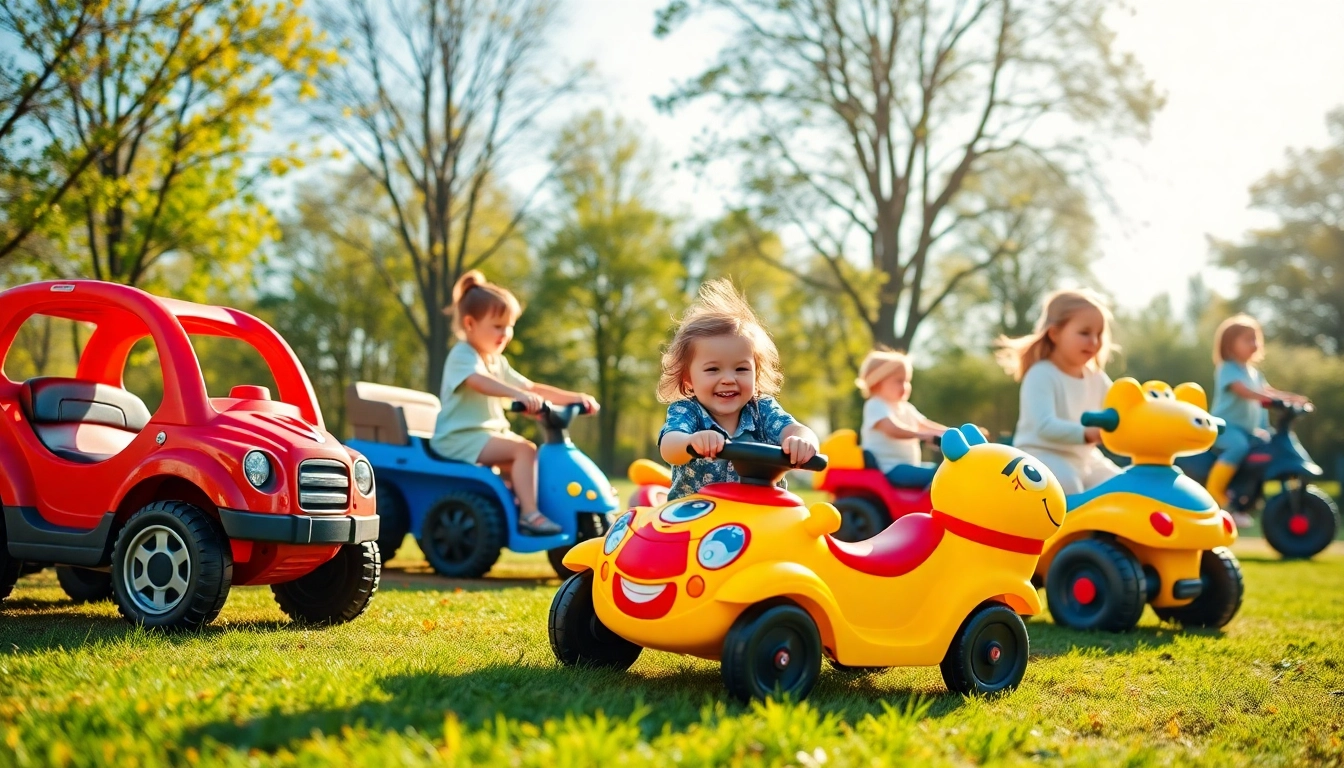
Introduction to Ride on Toys
In the expansive world of children’s play, few items capture the imagination quite like ride on toys. These engaging devices allow children to explore their environment, develop essential motor skills, and experience the thrill of mobility. Whether your child is a budding racer or prefers the quiet contemplation of a little toy horse, ride on toys come in a variety of forms and functions, catering to every child’s taste.
What Are Ride on Toys?
Ride on toys are wheeled vehicles designed for children to ride on, typically propelled by the child’s own power, either through manual pedaling or by sitting while the ride-on toy moves. They span a broad category, including scooters, tricycles, electric cars, and unique themed designs that enhance imaginative play. From early childhood favorites to advanced models for older kids, these toys serve as tools for adventure, learning, and fun.
Benefits of Ride on Toys
Ride on toys bring a multitude of benefits for children. Firstly, they are instrumental in promoting physical activity. As children push, pedal, or scoot, they engage their muscles and improve coordination. Additionally, these toys often stimulate imaginative play, allowing children to embark on creative adventures, from racing in a dazzling car to galloping as their favorite animal.
Another significant benefit is the development of social skills. When children play together on ride on toys, they learn to share, negotiate, and cooperate, nurturing essential friendship skills that will last a lifetime. Furthermore, these toys offer opportunities for enhancement in balance and coordination, laying a foundation for future athletic endeavors.
Age Appropriateness and Safety Considerations
Age appropriateness is crucial in selecting the right ride on toys to ensure safety and maximum enjoyment. For toddlers under three, simple push toys or low-rider options are ideal, ensuring that the child can maintain balance without falling over. As children grow older, the complexity and features of these toys can increase, accommodating their developing skills.
Safety is paramount with any ride on toy. Look for products with built-in safety features, including seat belts and stable frames. Supervision is vital, especially for younger children, to prevent accidents. As kids shift to electric or faster toys, understanding and implementing safety measures, such as proper helmets and safe driving areas, is essential.
Types of Ride on Toys Available
The market is rich with variations of ride on toys, each designed for different age groups, environments, and play styles. Understanding the distinctions will aid parents and caregivers in making informed choices.
Electric vs. Manual Ride on Toys
One of the primary distinctions in ride on toys is whether they are electric or manual. Manual ride ons require the child to pedal or push them along. These require physical effort, helping children develop lower body strength and coordination. Examples include tricycles, scooters, and pedal cars.
Electric ride ons, however, are battery-powered and can often reach higher speeds. They tend to be more complex, requiring oversight regarding safety. Electric ride ons are perfect for older children who desire the thrill of speed while still practicing control and balance.
Outdoor vs. Indoor Ride on Toys
The environment in which the ride on toy will be used significantly influences the purchasing decision. Outdoor ride ons are designed to endure rougher terrains, featuring solid tires and more robust construction. These can include ATVs and larger scooters.
Indoor ride ons are generally lighter and designed for smoother surfaces, ensuring they won’t damage floors. These can be small ride-on cars or balance bikes, promoting exercise and coordination within the safety of home.
Unique Options: Animal and Character Designs
Unique designs have become a trend in the world of ride on toys, with many manufacturers offering items shaped like popular animals or characters from children’s media. These options not only add to the aesthetic appeal but also engage children’s imaginations. A child riding a toy that resembles their favorite character may feel like they are stepping into a story, enhancing playtime and emotional engagement.
Selecting the Best Ride on Toys for Your Child
With so many choices available, selecting the appropriate ride on toy can be daunting for parents. Here’s how to navigate the process effectively.
Assessing Your Child’s Needs and Preferences
Understanding your child’s unique interests and physical abilities is key. Consider their favorite colors, characters, or vehicles. If they have a penchant for racing, a sporty ride on car might be the way to go. Observe their existing play patterns; if they enjoy outdoor activities, outdoor ride ons will complement their lifestyle better.
Quality and Durability Features
When selecting ride on toys, invest in quality. Look for durable materials, secure construction, and reliable safety features to ensure that the toy will withstand daily use and last for years. Read reviews and opt for brands known for their quality assurances and robust customer feedback.
Budgeting for Ride on Toys
Establishing a budget will streamline your search for the perfect toy. Ride on toys come in various price ranges, dictated by features, materials, and branding. When budgeting, consider the longevity of the toy, the child’s rate of growth, and the investment in quality that may pay off over time.
Maintaining Ride on Toys for Longevity
To ensure that ride on toys last for years and continue to be safe for children, regular maintenance is essential. Here are some practical tips to keep your child’s ride on toys in optimal condition.
Regular Cleaning and Inspection Tips
Regular cleaning after play is essential, particularly for outdoor toys that might accumulate dirt and grime. Utilize mild detergents that are kid-friendly, and inspect the ride on toy for wear and tear. Pay attention to battery compartments on electric models to keep them free of moisture.
Proper Storage Techniques
Store ride on toys properly when they are not in use. Shield them from direct sunlight and extreme weather conditions, as these can degrade materials over time. For outdoor ride ons, consider leveraging a protective cover to maintain their appearance and functionality.
When to Replace Parts or Toys
Assess your ride on toys periodically to identify any parts that may need replacing. If the wheels are excessively worn or if the battery in electric models shows diminished performance, it may be time to replace these components. If overall safety is compromised due to damage, it’s important to replace the entire toy promptly.
Frequently Asked Questions
What age are ride on toys suitable for?
Ride on toys are typically suitable for children aged 1 to 12 years, with specific designs tailored for different age groups to ensure safety and enjoyment.
How can I ensure the safety of my child while using ride on toys?
Ensure safety by supervising play, choosing age-appropriate toys, enforcing helmet use for speedier models, and establishing safe play environments.
What materials are best for ride on toys?
Choose ride on toys made from durable plastic or metal, ensuring they are non-toxic and resistant to wear and tear for prolonged use.
How do I choose the right size ride on toy for my child?
Select a ride on toy that matches your child’s height and weight, ensuring they can comfortably and safely maneuver it.
What features should I look for in electric ride on toys?
Look for features like adjustable speeds, safety belts, rechargeable batteries, and robust build quality to ensure safety and enhanced fun during use.