
Understanding Colonial Home New Build Construction
Embarking on the journey of colonial home new build construction can be both exciting and daunting. Colonial architecture, which harks back to the early American colonial period, brings with it a sense of history, durability, and aesthetic appeal. This comprehensive guide aims to provide you with the insights, considerations, and practical tips necessary for constructing a colonial-style home that meets modern standards without sacrificing the timeless charm that characterizes these structures.
What Defines Colonial Architecture?
Colonial architecture is characterized by its symmetrical layout, classic proportions, and decorative elements that reflect the historical legacy of early American settlers. This architectural style draws on European designs, mainly from the English, Dutch, French, and Spanish influences, manifesting in various regional adaptations across the United States.
Key characteristics include:
- Symmetrical Facades: Typically, colonial homes feature a centered front door, often flanked by evenly spaced windows, creating a balanced, harmonious appearance.
- Gable Roofs: Dominant roof styles include steep gables, often featuring dormer windows that add functionality and charm.
- Materials: Traditionally, colonial homes use wood or brick, with some variations utilizing stone, lending a sense of permanence and strength.
- Transoms and Pediments: Decorative elements like transom windows above doors and pediments provide visual interest while reflecting classical influences.
Key Features of Colonial Homes
Colonial homes boast specific elements that enhance their classic appeal and functionality:
- Central Hall Floor Plans: Many colonial homes traditionally feature a central hallway that leads to a series of rooms on either side, maximizing the use of space.
- Charming Fireplaces: Fireplaces often serve as focal points in living areas, typically constructed from brick or stone, emphasizing warmth and comfort.
- Classic Trim Work: Crown molding, chair rails, and baseboards often reflect intricate craftsmanship, adding elegance and sophistication to interiors.
- Double-Hung Windows: These windows are characterized by two operable sashes, enhancing ventilation and allowing for a classic aesthetic that aligns with colonial styles.
Why Choose Colonial for Your New Build?
Several factors make colonial architecture an appealing choice for your new home:
- Timeless Aesthetics: Colonial homes maintain a classic look that never goes out of style, seamlessly fitting into various landscapes.
- Durability: The sturdy construction techniques prevalent in colonial building contribute to long-lasting homes that stand the test of time.
- Adaptability: Colonial designs offer flexibility for customization, allowing you to blend modern conveniences while respecting historical aesthetics.
- Community Appeal: Many buyers appreciate the architectural heritage and authenticity of colonial homes, boosting property values in neighborhoods featuring such designs.
Planning Your Colonial Home Build
The planning phase is crucial to the success of your colonial home construction. This involves several steps focused on location, design, and budgeting.
Choosing the Right Location
Your choice of location significantly impacts the final outlook and functionality of your colonial home. Ideal locations often feature scenic landscapes, accessibility to amenities, and community charm. Key considerations include:
- Neighborhood Character: Select a neighborhood that maintains the essence of colonial architecture to provide cohesion in style.
- Land Availability: Look for suitable land sizes necessary for the layout typical of colonial homes, which frequently require larger plots to accommodate their scale.
- Orientation: Consider how the orientation of your property will affect natural light and energy efficiency.
- Local Regulations: Familiarize yourself with local zoning laws and building regulations that may impact your construction process.
Design Considerations and Layout
When designing your colonial home, pay attention to both aesthetic elements and functionality:
- Floor Plan: Choose between a two-story layout, which is traditional for colonial homes, or a single-story layout depending on your lifestyle needs.
- Functionality: Design spaces that cater to modern living, such as open-concept areas interspersed skillfully with traditional elements.
- Outdoor Spaces: Include porches, patios, or gardens that enhance curb appeal and provide leisure areas.
- Personal Touches: While incorporating colonial features, consider your unique style and preferences in the design.
Budgeting for Construction
Establishing a clear budget is essential for avoiding overspending during construction. Key budgeting factors include:
- Land Costs: Factor in the cost of the lot, including property taxes and any associated legal fees.
- Construction Materials: Evaluate traditional versus modern materials, as this can significantly affect your budget.
- Labor Costs: Account for the labor required, considering hiring experienced craftsmen familiar with colonial techniques.
- Permits and Fees: Be prepared for various licenses and permits that will require budgeting early in your planning.
Materials and Techniques for Colonial Build
When constructing a colonial home, selecting the appropriate materials and techniques is integral to achieving authenticity and durability.
Traditional vs. Contemporary Materials
Colonial architecture traditionally employs materials such as wood, brick, and stone. However, contemporary options can enhance energy efficiency without compromising aesthetics.
- Wood: Often used for framing and interiors, wood offers warmth and is easily customizable.
- Brick: Brick exteriors can provide long-lasting beauty and resilience, often used to create the timeless façade typical of colonial homes.
- Stone: A popular element for column constructions and facades, adding both strength and classical appeal.
- Energy-Efficient Options: Consider modern composite materials that mimic traditional aesthetics while offering improved insulation and durability.
Construction Techniques that Enhance Structure
Employ construction techniques that not only ensure structural integrity but also reflect traditional craftsmanship:
- Post-and-Beam Construction: This method provides a strong structural base, allowing open floor plans common in colonial designs.
- Mortise and Tenon Joints: Utilizing these joints enhances stability, a hallmark of quality colonial craftsmanship.
- Brick Laying Techniques: Employing traditional techniques ensures your brickwork reflects historical authenticity while addressing modern demands.
- Insulation Methods: While preserving the exterior aesthetics, ensure that modern insulation methods are used to maintain energy efficiency.
Energy Efficiency in Colonial Home Building
Incorporating energy-efficient solutions when building a colonial-style home can be seamlessly interwoven with traditional aesthetics:
- High-Efficiency Windows: Choose double or triple-pane windows that mirror colonial styles while offering better insulation.
- Insulated Siding: This maintains the traditional look while enhancing energy efficiency.
- Modern HVAC Systems: Select energy-efficient heating and cooling systems that respect the structure’s design.
- Smart Home Technology: Integrate smart energy management systems for efficient energy use and sustainability.
Finishing Touches in Colonial Home Construction
The finishing touches of a colonial home can elevate its timeless charm and bring character to your living spaces.
Interior Design Principles for Colonial Homes
When designing the interior of your colonial home, consider incorporating principles that reflect both classic and contemporary styles:
- Color Palette: Use neutral colors with bold accents to create a classic and welcoming atmosphere.
- Furnishings: Incorporate antiques or reproduction furniture to maintain an authentic colonial feel while ensuring comfort.
- Decorative Elements: Add elements such as wainscoting, crown molding, and traditional wallpaper that reflect the historic charm.
- Comfort Zones: Design functional spaces, maximizing areas conducive for gatherings while maintaining privacy.
Landscaping Ideas to Complement the Home
Landscaping plays a crucial role in enhancing the beauty and character of your colonial home:
- Symmetrical Gardens: Create balanced gardens with paths, flower beds, and strategically placed trees that mirror the home’s symmetry.
- Natural Elements: Incorporate native plants that require less maintenance and work well with the local ecosystem.
- Hardscaping Features: Use stone paths, brick patios, and raised flower beds to echo the materials used in the home itself.
- Outdoor Living Areas: Consider adding porches or decks that enhance the colonial architecture while providing outdoor access.
Choosing Appropriate Fixtures and Fittings
The fixtures and fittings in your colonial home can significantly influence its overall charm and modern functionality:
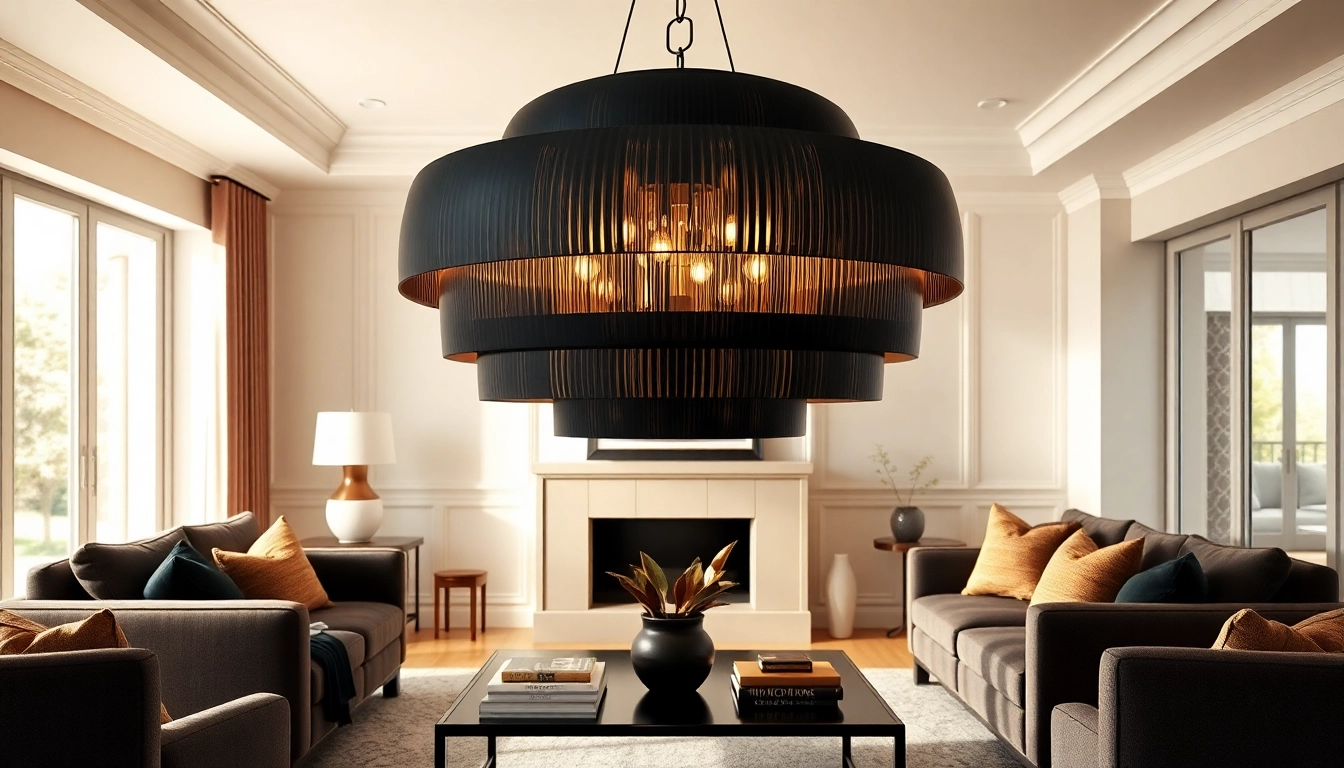
- Lighting: Opt for period-style sconces and chandeliers that reflect colonial aesthetics while incorporating energy-efficient technology.
- Hardware Choices: Select classic hardware for doors and cabinetry that compliments the historical charm.
- Plumbing Fixtures: Choose vintage-inspired plumbing fixtures to ensure modern functionality while preserving the colonial motif.
Stick to warm, earthy tones and natural finishes for a cohesive look in alignment with the colonial style.
FAQs about Colonial Home New Build Construction
What are the costs associated with building a colonial home?
Costs vary widely based on location, materials, and size, but expect expenses to include land, construction, permits, and interior finishes.
How long does a colonial home construction typically take?
Construction time can range from several months to over a year, depending on the home’s complexity, weather conditions, and workforce availability.
Can I modify colonial design to suit my style?
Yes, many elements of colonial design can be customized to reflect personal style while maintaining the architectural integrity of the build.
What are the best materials for energy efficiency?
Consider high-efficiency windows, insulated siding, and eco-friendly materials that blend durability with excellent insulation properties.
How to find the right architect for my colonial build?
Look for architects with a portfolio in traditional designs; read reviews, and ensure they understand your vision for a colonial home.