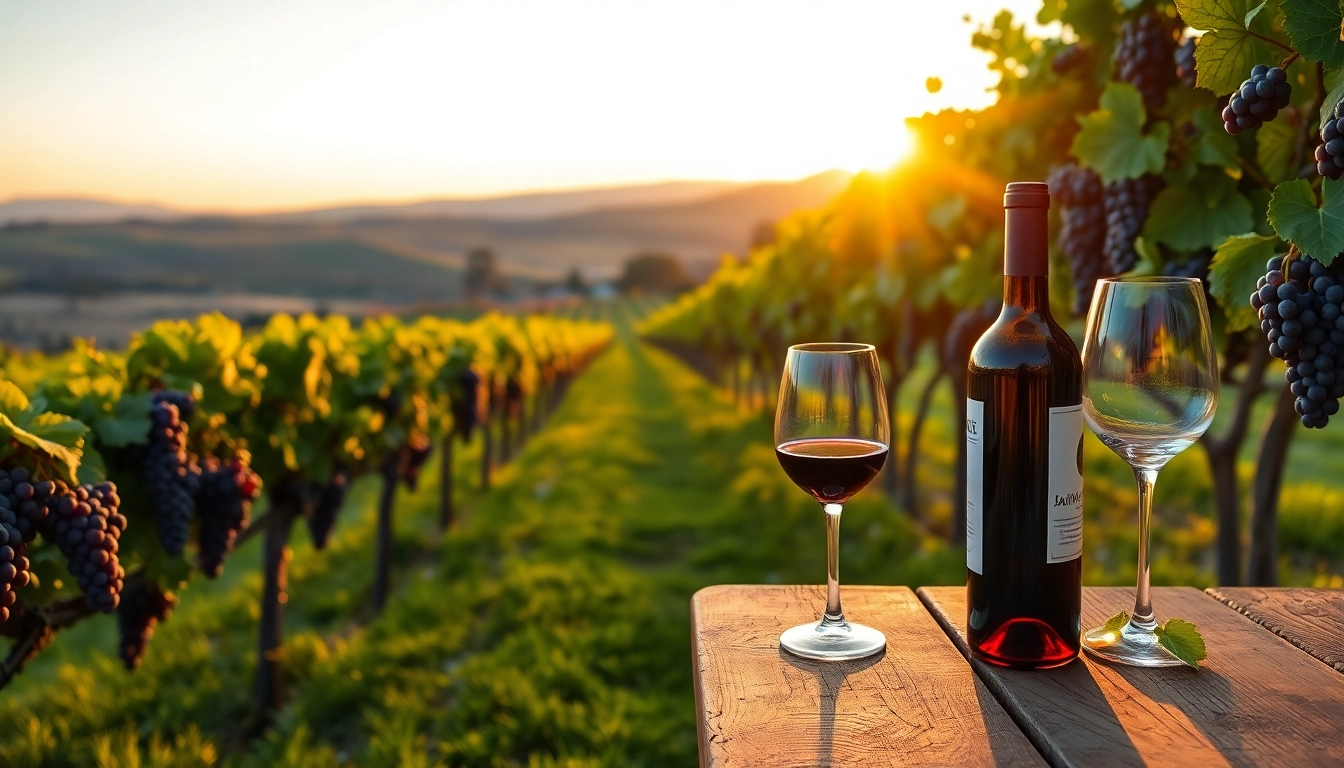

Understanding the Best Wineries in California
When it comes to the world of wine, California reigns supreme as one of the leading producers globally, thanks to its diverse climates and rich soil. Tourists and locals alike flock to explore the finest wineries, and an essential way to experience California’s wine country is through its spectacular wineries. The best wineries in California offer unparalleled wine-tasting experiences, each with unique characteristics and selections. In this article, we delve into what makes California’s wineries remarkable, the regions famous for them, and how to enjoy the ultimate winery visit.
Characteristics of Premier California Wineries
Several key characteristics define the best wineries in California, encapsulating their essence, offerings, and visitor experiences. First and foremost, there’s the emphasis on quality wine production. Wineries often adopt sustainable farming practices to encourage biodiversity and reduce environmental impact, leading to exceptional quality wines.
Additionally, many premium wineries employ innovative vineyard management techniques. From meticulously selecting grape varieties to precise harvesting times, this attention to detail translates directly into the flavors experienced in the glass. Architecture and aesthetics also play crucial roles; wineries often feature stunning designs that seamlessly merge with their natural surroundings, creating beautiful backdrops for guest experiences.
Regions Known for Quality Wines
To truly appreciate California’s viniculture, it’s essential to explore its various wine regions, each lacking its specific terroir and grape suitability.
- Napa Valley: Widely famed for its rich Cabernet Sauvignon and elegant Chardonnay, Napa Valley is a must-visit for any wine enthusiast.
- Sonoma County: Known for its diversity, Sonoma boasts different microclimates leading to an array of varietals, particularly Pinot Noir and Zinfandel.
- Paso Robles: This emerging region is celebrated for its rich, fruity wines, particularly Zinfandel and Rhône varietals.
Popular Wine Varietals
The choice of varietals can make or break your winery experience. The most celebrated wines produced here include:
- Cabernet Sauvignon: Renowned for its black fruit andand structured profile, it leads in popularity.
- Chardonnay: The go-to white varietal appreciated for its versatility, ranging from buttery to crisp notes.
- Pinot Noir: This varietal thrives in cooler climates, offering complex flavors that engage the palate.
- Zinfandel: An iconic California varietal, known for bold, fruity flavors that delight many wine lovers.
Top Regions for Wine Enthusiasts
Napa Valley Highlights
Napa Valley is arguably the crown jewel among California’s wine regions. Its Mediterranean climate, which provides a long growing season, allows vineyards to flourish. Napa is dotted with iconic wineries many of which offer more than just wine; they provide complete experiences that may include events like yoga in the vineyard or educational tours.
The unique terroir of Napa Valley contributes deeply to the wines produced here, giving them distinct characteristics—full-bodied reds complemented by structured tannins are commonplace. A trip down the Silverado Trail uncovers many stunning winery estates, each varying in style, ambiance, and selection.
Exploring Sonoma County
Sonoma County, located just west of Napa, is often viewed as a more relaxed counterpart. With fewer crowds and a focus on artisanal winemaking, Sonoma offers a rich tapestry of wine experiences. Visitors can discover hidden gems and family-run wineries that reflect deep-rooted traditions.
The versatility of Sonoma’s soil allows for a broad spectrum of varietals, including award-winning Pinot Noir and Zinfandel. Vineyard tours often include detailed explanations of the winemaking process, ensuring guests have a robust understanding of what they are tasting.
Paso Robles and Beyond
Paso Robles has evolved into one of California’s best wine regions, recognized for its bold red wines, particularly Zinfandel and GSM blends. The climate is dictated largely by the ocean, making it an excellent area for growing diverse grape varieties. The combination of warm days and cooler nights results in richly flavored wines, drawing the interest of both tourists and critics.
Beyond the vino, Paso Robles embodies rustic charm with its countless small family-owned wineries and boutique tasting rooms, embellishing the experience for visitors. The region also hosts a variety of wine festivals throughout the year that celebrate local viticulture and the community that builds it.
Visitor Experience at Wineries
Wine Tastings and Tours
Wine tastings are at the heart of every winery visit. Most wineries offer a range of tasting experiences, from guided tours to casual tastings at the bar. During a tasting, guests are not only able to sample selections but may also receive insights into the winemaking process, vineyard practices, and food pairings.
Some wineries go a step further, offering immersive experiences, such as blending classes where visitors can create their custom wine. Pre-booking is often recommended for more exclusive experiences, ensuring that guests receive personalized attention.
Dining Options at Wineries
Many wineries enhance their guests’ experience with gourmet dining options, often featuring local farm-to-table cuisine. Some wineries have world-class restaurants that serve seasonal menus paired specifically with their wines. This thoughtful pairing encourages visitors to explore the relationship between food and wine on multiple sensory levels.
Even casual snack pairings, such as cheese boards or charcuterie, are curated to complement the wine selections, making for a delightful afternoon of tasting and eating.
Vineyard Events and Festivals
Many wineries host events and festivals that showcase the culture surrounding wine. From harvest festivals to winemaker dinners, there’s always something happening in wine country. These events not only celebrate the community but also engage visitors through unique experiences.
Participants can enjoy activities like grape stomping, live music, and food tastings that enhance their winery visit while creating lasting memories.
Pairing Wine with Local Cuisine
Bestselling Dishes to Try
California’s rich agricultural surroundings allow for diverse culinary offerings, making wine pairing a delightful experience. Some popular dishes to consider include:
- Grilled Salmon: Pairs beautifully with full-bodied Chardonnays.
- Pasta Primavera: Best complemented by a light Pinot Grigio.
- BBQ Ribs: A Zinfandel pairs appropriately due to its fruity and spicy notes.
How Wine Complements Meals
Understanding wine pairings elevates any meal. Fundamentally, matching the weight of the wine with the dish is essential; a robust red pairs well with hearty meat dishes, while lighter wines complement lighter fare. Moreover, consider the flavor profiles: acidity balances richer foods, while sweeter wines enhance spicy dishes. These principles guide a thoughtful approach to any meal.
Wine and Cheese Pairing Basics
Wine and cheese pairing is an art that enhances each component’s flavors. For instance, sharp cheeses like aged cheddar pair excellently with robust reds, while creamy cheeses, such as Brie, harmonize with Chardonnay. Experimenting with different combinations allows for delightful discoveries. Pairings not only create culinary harmony but can also enhance the tasting experience at wineries.
Planning Your Wine Adventure
Best Times to Visit Wineries
Timing your visit can greatly affect your winery experience. While spring and fall are typically ideal—offering temperate weather and harvest activities—summer is popular for its vibrant vineyard views and longer days, perfect for leisurely tastings. Winter can also be rewarding, with fewer crowds and cozy tasting rooms featuring seasonal wines.
Travel Tips for Wine Tours
When planning a visit, keeping a few tips in mind can enhance your experience significantly. First, always have a designated driver or use local transportation services. Dress comfortably in layers to accommodate changing weather conditions throughout the day. Lastly, make reservations where necessary, especially during peak seasons, to ensure you can visit your top choices.
Making Reservations and Itineraries
To maximize your time and experiences, creating an itinerary is highly beneficial. Research and list your must-visit wineries, as well as dining options. When making reservations, inquire about guided tours or tastings; these can provide expanded insights into each winery’s unique offerings and character. Balance your schedule to allow for spontaneity as well, which can often lead to delightful surprises.
FAQs
What is the best wine region in California?
Napa Valley is universally recognized for its exceptional Cabernet Sauvignon and Chardonnay, drawing tourists for its renowned wineries and beautiful landscapes.
How many wineries should I visit in one trip?
It’s best to visit 2 to 4 wineries per day to fully enjoy each experience without feeling rushed while allowing time for tastings and tours.
Are tastings expensive at California wineries?
Tasting fees can vary, usually ranging from $15 to $50 per person, depending on the winery and the experience offered, sometimes waived with wine purchases.
What to wear when visiting wineries?
Dress comfortably but smartly. Comfortable shoes are essential for walking, while layers help manage varying temperatures throughout the day.
Can I bring children to wineries?
Some family-friendly wineries welcome children, often providing outdoor spaces or activities. Always check beforehand to ensure a comfortable environment for everyone.